M23 fighters stand guard in Goma during the opening of a local banking facility under rebel control. Photo/TheHumanitarian
By Daisy Okiring
When the M23 movement in North Kivu handed over a group of minors rescued from conflict zones this week, the gesture was presented as a humanitarian act. Commanders emphasized that the children had been removed from combat areas and would be reintegrated into school.
But behind the ceremony lies an uncomfortable reality. Years of reports, testimonies, and investigations show that the recruitment of minors by armed groups in eastern Congo remains widespread, and the recent handover may raise more questions than answers.
A gesture timed with rising scrutiny
The handover came at a moment of growing international pressure. Earlier in 2025, UN investigators warned that armed groups in eastern DRC continued to recruit minors at alarming levels. Statistics from past UN reports indicated that nearly one third of the children associated with armed groups were younger than 15. Aid groups say the actual figures are likely much higher because many areas under rebel control remain inaccessible.
At the same time, M23 faced renewed criticism after allegations emerged that several minors caught with weapons were killed during clashes in Bukavu. Human rights observers say the timing of the handover appears strategic. According to them, the movement may be trying to counter negative publicity and soften international criticism rather than address long-standing violations.
Colonel Willy Ngoma, spokesperson for the movement, rejected these concerns during the handover ceremony. He insisted that the children were never part of M23 structures and had instead been found in areas controlled by Wazalendo militias. He told the youths, “Your place is in school, not on the battlefield,” before promising that the movement would support their return to formal education.
Read More: IGAD warns Sudan risks ‘de facto disintegration’
Claims of progress versus past patterns
M23 leaders have long denied recruiting minors, but previous investigations tell a different story. Reports by international agencies, including annual assessments by UN experts, documented cases in which children served as porters, cooks, informants, or frontline support workers. Testimonies from former child soldiers described coercion, abuse, and forced participation in armed operations.
These accounts contradict M23’s repeated claims that children found in conflict zones are never forced to join their ranks. Some minors interviewed in earlier investigations said they had been lured with promises of safety, income, or belonging. Others said they had been threatened with punishment if they attempted to escape. Their stories point to a pattern that has persisted for years despite public assurances.
Human rights advocates argue that without independent monitoring, the real number of children associated with M23 remains unknown. They also warn that children returned to civilian life could later be re-recruited, especially if fighting escalates or control of territories shifts again.
Fragile reintegration amid complex realities
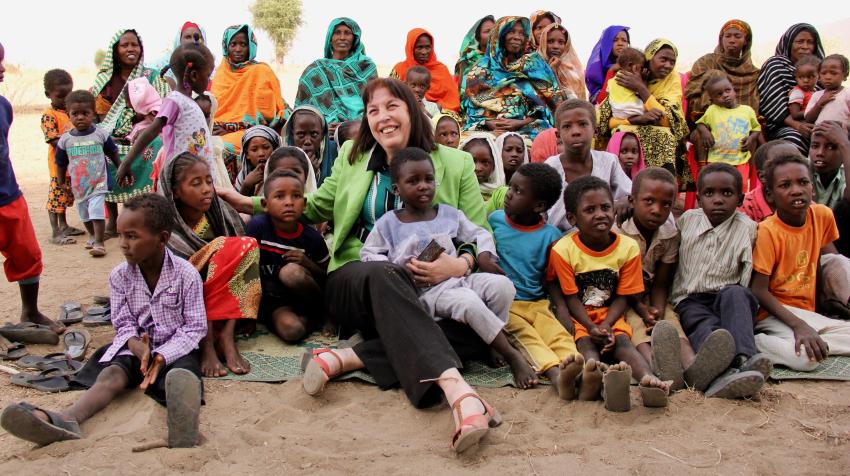
Officials present during the handover said the minors would undergo medical evaluations before joining schools and vocational programs. Local leaders welcomed the move, saying education offers the children a chance to rebuild their lives. But reintegration in eastern DRC remains fragile. Many communities lack functioning schools, and families displaced by conflict struggle to support returning children.
Experts also warn that reintegration programs often lack long-term funding. Without sustained support, many children remain vulnerable to re-recruitment by the dozens of armed groups operating in the region. Statistics from previous reintegration programs showed that a significant number of demobilized minors eventually returned to armed groups because of poverty, insecurity, or lack of opportunity.
The movement says it is partnering with institutions such as the National Institute for Professional Preparation to help the children learn vocational skills. But aid workers say such partnerships cannot be verified until independent observers gain access to the zones M23 controls.
Read More: South Sudan issues alert after Marburg outbreak in Ethiopia
A conflict that continues to trap children
Child recruitment in eastern Congo is not new. According to United Nations data collected over two decades, tens of thousands of minors have been used by armed groups since the early 2000s. Many were taken by force, while others joined because violence had become normalized in their communities.
The persistence of the problem reflects the depth of the region’s insecurity. In North Kivu alone, dozens of armed groups compete for territory, minerals, and influence. Weak governance, poverty, and years of instability have left entire communities exposed to exploitation. Children growing up in these areas often see armed groups as the only source of protection or identity.
International leaders have repeatedly condemned the recruitment of minors. The African Union has called it one of the gravest violations of international humanitarian law. Former UN Secretary-General António Guterres described child soldier recruitment as “a scar on humanity that must be confronted with urgency.” Despite such declarations, progress on the ground remains slow.
Accountability remains unclear
One of the biggest unresolved questions is accountability. While M23 says it is committed to keeping minors away from conflict, critics argue that accountability for past abuses is still missing. Investigators note that there have been few credible inquiries into allegations involving M23 commanders. Without consequences, they say, violations may continue under new forms or new rhetoric.
The Congolese government has accused M23 of using children in support roles in past offensives, claims the group denies. But even as political negotiations continue, child protection advocates say the rights of minors must be placed at the center of any settlement.
As the ceremony ended, the children were escorted away by health workers for assessment. Some still wore civilian clothes, and several appeared visibly exhausted. Their futures remain uncertain, shaped as much by political decisions as by the fragile peace in their communities.
For now, the handover offers a rare moment of hope in a region scarred by decades of war. But beneath the surface lies a reality that cannot be ignored. Until independent monitors gain unrestricted access, the true scale of child involvement in the conflict will remain hidden. And until accountability and lasting reintegration efforts take root, eastern Congo’s children will continue to pay the price of a war they never chose.


About the Author