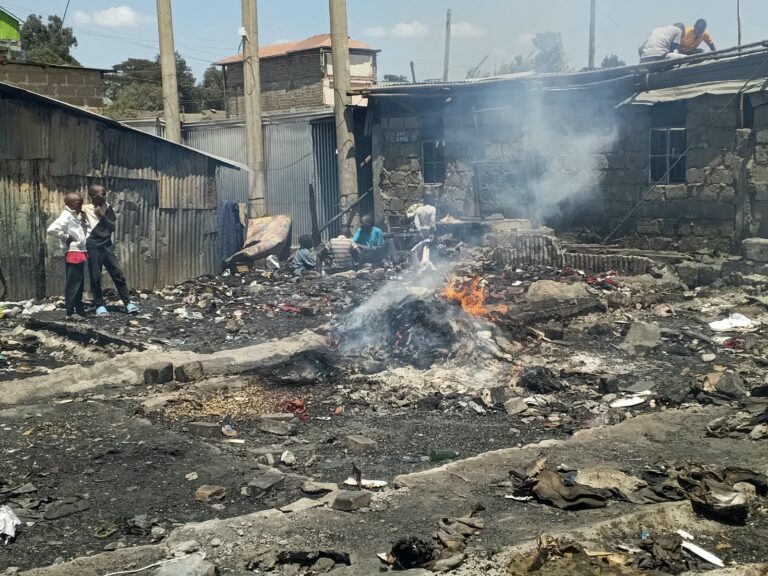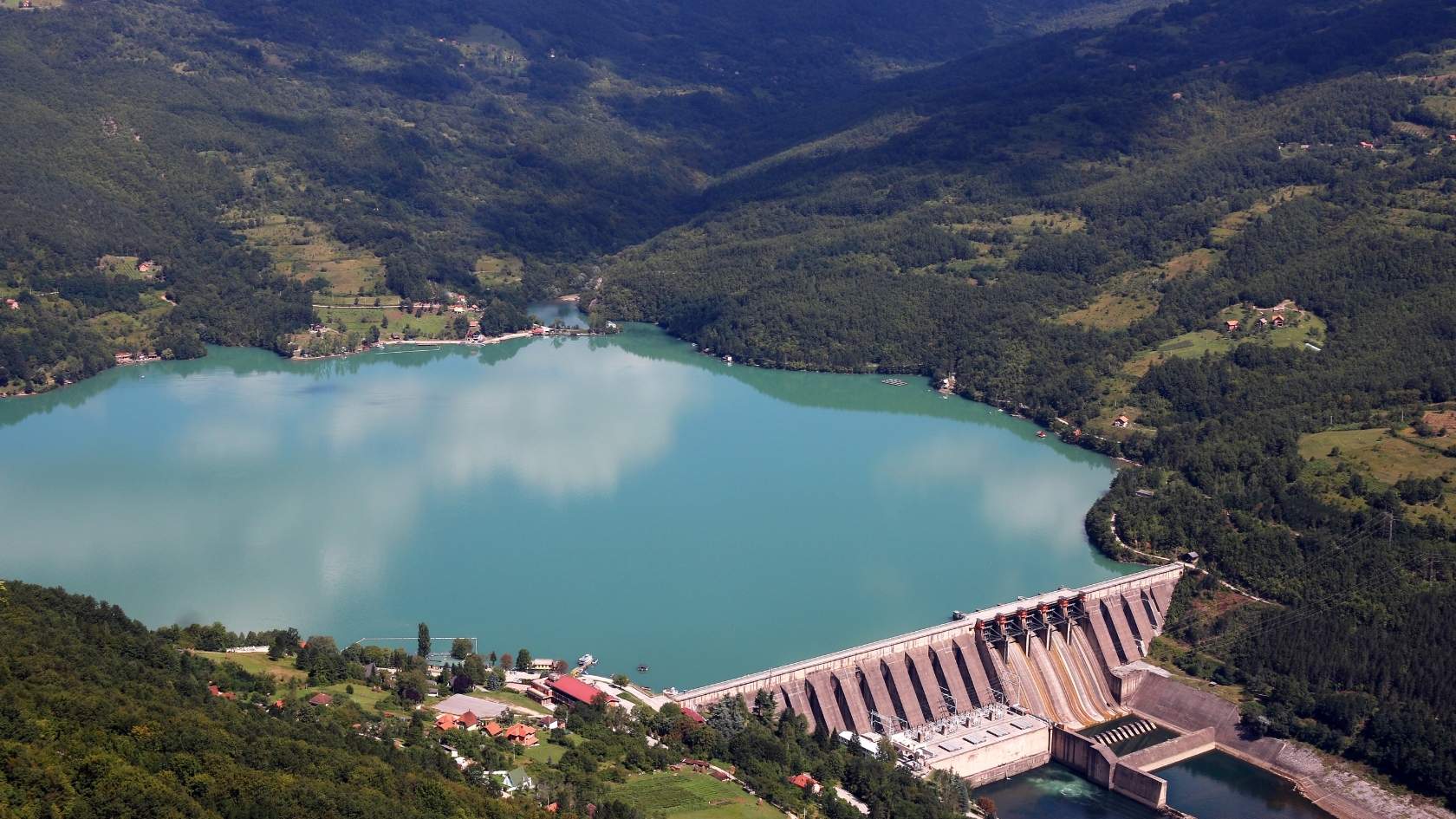
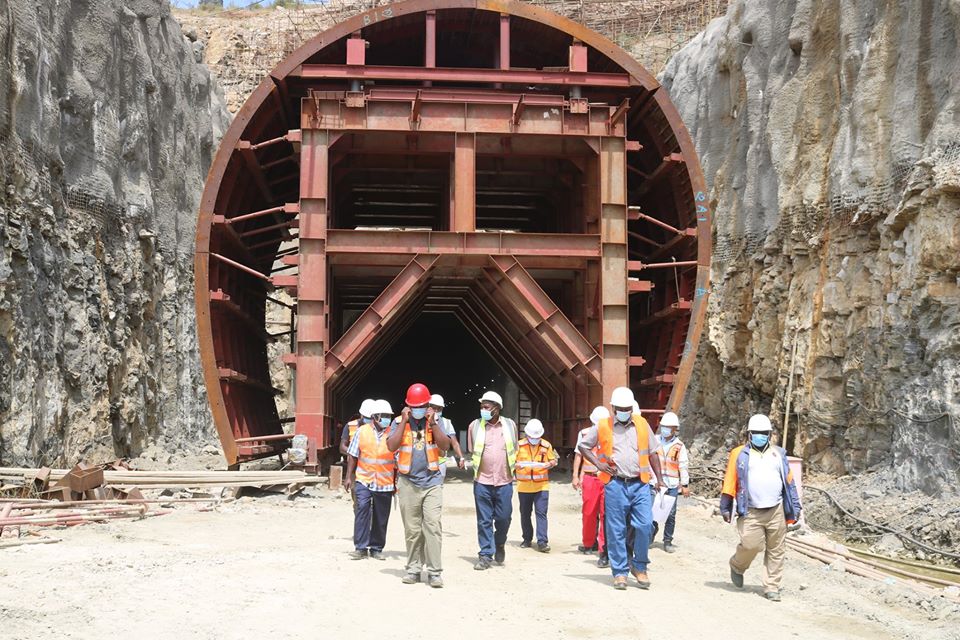
The halted High Grand Falls Costing 337 billion. Photo/Courtesy
By Daisy Okirring
Nairobi, Kenya: Kenya’s mega dam program was launched with great optimism. The projects were expected to secure water, boost food production and support economic growth in counties that struggle with drought. Years later, many construction sites remain idle.
The delays have turned the dams into symbols of ambition and uncertainty. What was meant to be a solution now raises questions about planning, oversight and the long-term use of public funds.
Residents who expected fast progress now view unfinished works as reminders of promises that have not been met. The repeated delays have reduced trust in government agencies and raised concern over how such large projects were approved without clear timelines and safeguards.
A pattern of delays and rising costs
Across the country, dams such as Arror, Kimwarer, Thwake, Itare and Bosto show a similar pattern. Construction began before feasibility studies were complete. Contractors moved to sites, but designs were revised, budgets increased and new conditions were introduced. That slowed work and pushed deadlines further away.
Treasury documents show repeated cost variations that lack full explanation. Audit reports have flagged gaps in procurement procedures and weaknesses in contract supervision. These concerns are not isolated. They reflect wider problems in managing large national projects.
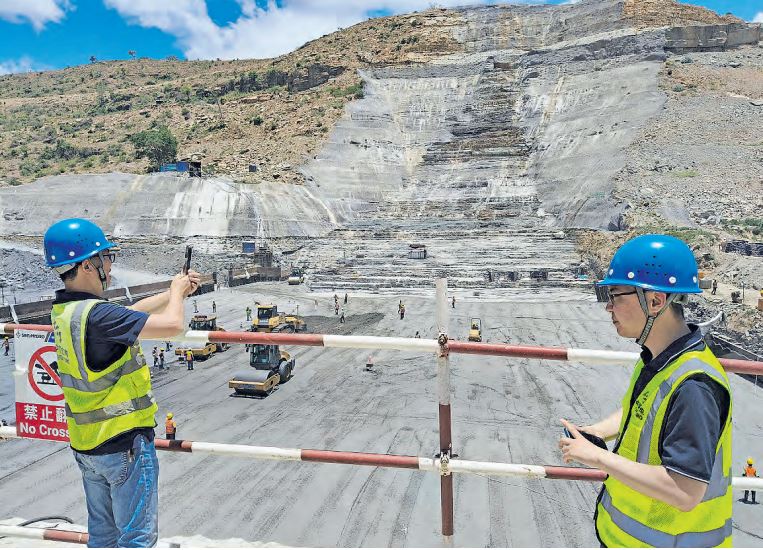
President William Ruto has said the government will complete stalled dams and improve project tracking. He noted that Kenya cannot afford to abandon major water investments. Despite these statements, progress on the ground remains slow. Fresh reviews and new committees are often announced, but communities want results rather than new plans.
Engineers who have worked on major water projects say that construction should only begin after full studies and approvals. One engineer said many dams were “pushed forward under pressure,” a practice that increases risks and inflates the final cost.
Read More: Ethiopia’s COP32 win signals rising climate influence in the Horn of Africa, IGAD says
Communities left in uncertainty
The biggest impact is felt by families who expected water for irrigation and domestic use. In Elgeyo Marakwet, farmers planned to expand food production once the dams were completed. Now they wait for updates that rarely come. The region relies on rain-fed agriculture, and the delays affect harvests and income.
In Nakuru County, the Itare Dam was expected to supply water to thousands of homes. Years later, residents say they were promised benefits that never arrived. They fear the project will join the growing list of abandoned infrastructure.
Compensation for displaced families remains unresolved at several locations. Some households were moved from their land but have not received the full payments required by law. Others remain in temporary shelters because the land allocated for resettlement is still under dispute.
Former President Uhuru Kenyatta had described dams as essential in fighting drought and building food security. Communities now question whether these commitments will ever materialize. Their frustration is fueled by the lack of clear information from agencies in charge of the projects.
Environmental impacts overlooked in early planning
Environmental concerns continue to grow. Experts say several dam sites were approved without complete ecological assessments. Reduced river flow, loss of wetlands and changes in wildlife movement are some of the impacts that should have been fully examined.
Climate change adds new pressure. Rainfall has become less predictable in many catchments where dams are being built. Hydrologists warn that some reservoirs may never fill as expected. This raises doubts about whether these large structures offer the best return on investment.
African Union climate envoy Josefa Sacko has warned that large projects built without proper planning can intensify environmental stress. Kenyan conservation groups share the same view. They argue that drainage systems, water sources and wildlife corridors should guide project design, not political timelines.
Siltation also poses a major threat. Without strong protection of catchment areas, dams lose capacity more quickly. This shortens their lifespan and reduces their economic value. Many experts say that Kenya must strengthen watershed management before expanding dam construction.
Money trails and limited transparency
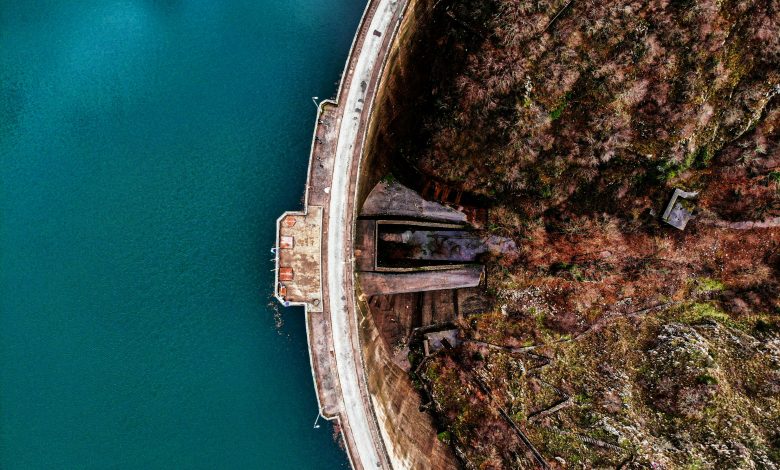
Financial transparency remains one of the most sensitive parts of the dam program. Several projects have seen budgets double from original estimates. Contract variations and delayed work have increased suspicion among citizens.
The Arror and Kimwarer controversy remains the most widely known example. Millions were paid for designs and early works, yet construction never fully began. Court documents revealed weaknesses in procurement and financing structures. The cases continue, but the controversy has already shaped public opinion.
Economists warn that Kenya’s heavy borrowing for infrastructure must be balanced with oversight. African Development Bank president Akinwumi Adesina once urged African governments to “borrow smart, not heavy.” The message resonates as Kenya struggles to balance development needs and rising debt obligations.
Civil society groups want full disclosure of funding agreements, feasibility studies and contractor performance reports. They argue that secrecy fuels mistrust and widens the gap between government agencies and the public.
Government pledges and slow progress
Government officials have defended the delays by blaming court cases, contractor disputes and the impact of global supply disruptions. They insist the dams remain a national priority and that new timelines will be met.
The Ministry of Water has introduced new review teams and updated monitoring tools. Officials say the government is committed to reducing wastage and improving efficiency. However, progress is still limited across many project sites.
Some critics argue that new oversight teams lack independence because they report to the same agencies that approved the projects. They say Kenya needs stronger laws requiring public disclosure of major project documents and budget updates.
A debate over Kenya’s water strategy
The delays have restarted a national debate on whether Kenya should rely on large dams to solve water shortages. Water experts recommend a mix of smaller dams, groundwater recharge, community irrigation projects and improved water harvesting.
They say these alternatives offer faster results, cost less and reduce the risk of failure. Climate change requires flexible planning rather than dependence on a few large structures.
Supporters of mega dams argue that Kenya needs strong infrastructure to support long-term growth. They believe the projects can succeed if managed better and if funds are safeguarded.
The road ahead
Kenya now faces a crucial choice. The country can continue investing in mega dams or shift to a more diverse approach. The unfinished projects show the risks of poor planning and weak oversight. They also highlight the need for transparency and community involvement.
For many families living near the stalled sites, the dams represent both hope and frustration. The country must decide whether to repair the current system or build a new model for managing its water future. The outcome will shape agriculture, food security and regional development for decades.


About the Author