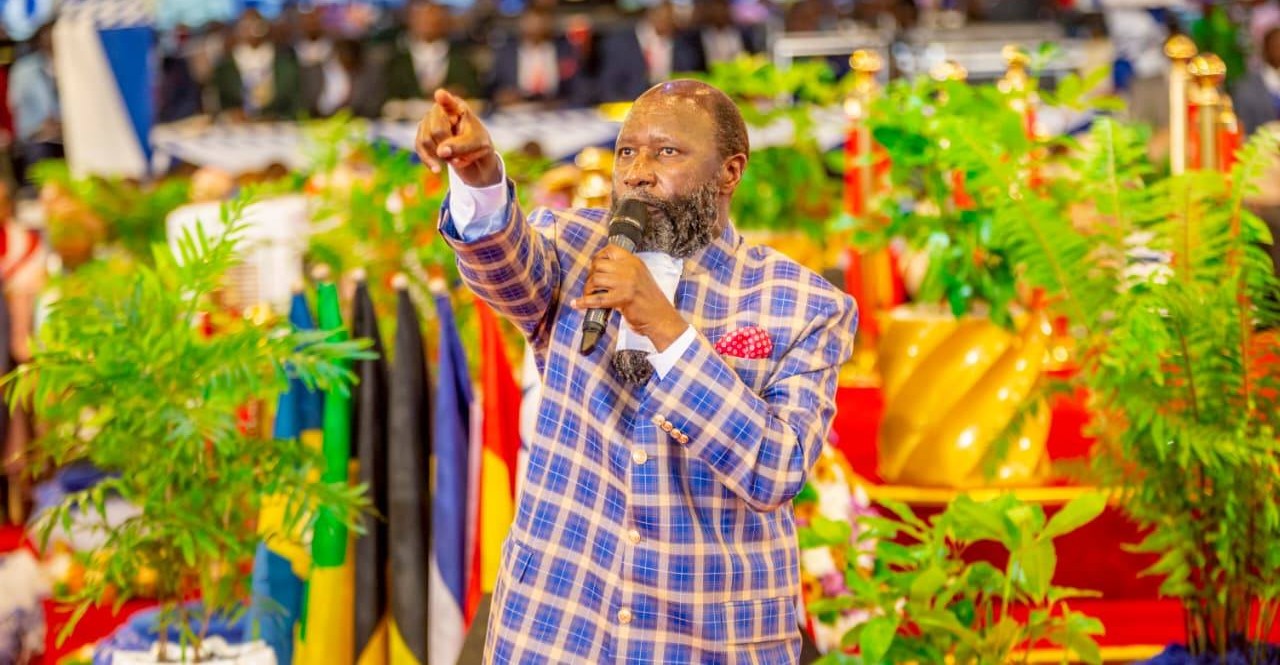
Prophet David Owuor of the Repentance and Holiness Ministry. Photo/David Owuor/Facebook
By Newsflash Team
Questions have emerged among religious leaders, medical professionals and the wider public over the authenticity of healing “miracles” attributed to self-styled prophet David Owuor of the Repentance and Holiness Ministry, following his end-of-year mega-crusade in Nakuru.
The debate intensified over the weekend after Health Cabinet Secretary Aden Duale and the Kenya Medical Practitioners and Dentists Council (KMPDC) cautioned Kenyans against believing miracle cures, warning that such claims pose serious health risks. The warnings followed a crusade held on December 30 and 31, 2025, during which some attendees claimed to have been healed of life-threatening illnesses, including cancer and HIV.
In a statement issued on Sunday, Mr Duale said that while the Ministry of Health respects the role of faith in the lives of Kenyans, health-related matters must be anchored in science and ethics. “Matters of health and life must remain firmly grounded in science, ethics and evidence-based medicine,” he said. The CS revealed that he had directed KMPDC to investigate doctors who appeared at the Nakuru crusade and allegedly confirmed that individuals had been healed through divine intervention.
Regulator moves to investigate doctors
KMPDC, which oversees the licensing and discipline of medical practitioners, said it had launched investigations and would take “appropriate action,” including possible legal measures. Speaking on Saturday evening, KMPDC chief executive officer David Kariuki warned that belief in miracle cures could lead patients to abandon essential medication.
“The danger with believing in miracle cures is that people may stop taking prescribed medicine,” Dr Kariuki said, stressing that such actions could have severe or even fatal consequences.
To many followers who attended the two-day crusade, the event was deeply moving. Individuals with visible disabilities and chronic illnesses were declared healed, with some medical professionals reportedly present to affirm the claims. However, the regulator said the absence of scientific proof raised serious red flags.
Read more: The Sh443m oxygen plant tender suffocating KNH
In a statement, KMPDC noted that media reports and public discussions surrounding claims of faith-based healing for serious conditions—including HIV/Aids, cancer, blindness, deafness, muteness and physical disabilities—had triggered concerns over public safety and professional conduct.
“The council unequivocally condemns such statements by medical practitioners, which are based on unverified claims,” Dr Kariuki said, adding that evidence-based medicine is non-negotiable. He emphasised that all treatments must be backed by scientific research, rigorous testing and regulatory approval, and that extraordinary claims require independent medical verification.
Dangers of unproven alternatives
The regulator warned that unsubstantiated claims, particularly when made by health professionals, could mislead vulnerable patients and discourage them from seeking proven therapies. “This may result in worsening health outcomes, drug resistance or even loss of life,” Dr Kariuki said.
KMPDC said it is working with the Ministry of Health and other regulatory bodies to investigate the matter and will take action against any practitioner found culpable. The council also reassured the public that Kenya’s healthcare system remains robust, citing ongoing investments in antiretroviral therapy, cancer treatment, chronic disease management and medical research.
Read more: The forgotten communities of Remba Island
“KMPDC urges Kenyans to report any suspicious medical claims to relevant authorities for verification,” Dr Kariuki said.
The Nakuru event, popularly known as the Menengai 8 Revival Meeting, has become an annual fixture, drawing huge crowds to the Menengai Grounds. Dubbed the “Grand Mega Healing Service,” the latest crusade attracted thousands, including people with disabilities who arrived on crutches and others battling internal illnesses, all hoping for divine healing.
A long-running debate over miracle cures
Warnings against miracle cures are not new. In 2006, when Lucy Nduta of the Salvation Healing Church claimed to have cured Aids, church leaders urged investigations, warning that freedom of worship was being exploited. Anglican Church of Kenya bishop Thomas Kogo at the time called on police to intervene.
Catholic priest Lawrence Mbogo has also cautioned against monetising faith, saying God’s healing does not come with conditions. “Although we do not doubt God’s ability to heal any disease, he does so unconditionally and without demanding a single penny,” he said.
Read more: Doctors threaten nationwide strike over SHA failure
Reverend Josam Kariuki of the United Methodist Church in Nakuru has similarly advised that believers who undergo prayers should not abandon treatment without medical confirmation.
More recently, Nyeri Archbishop Anthony Muheria warned against the growing influence of self-proclaimed prophets who exploit fear and desperation for personal gain. Speaking last year, he said many Kenyans had misplaced their faith in individuals rather than in God, cautioning that such devotion leaves believers vulnerable to manipulation and harm.


About the Author