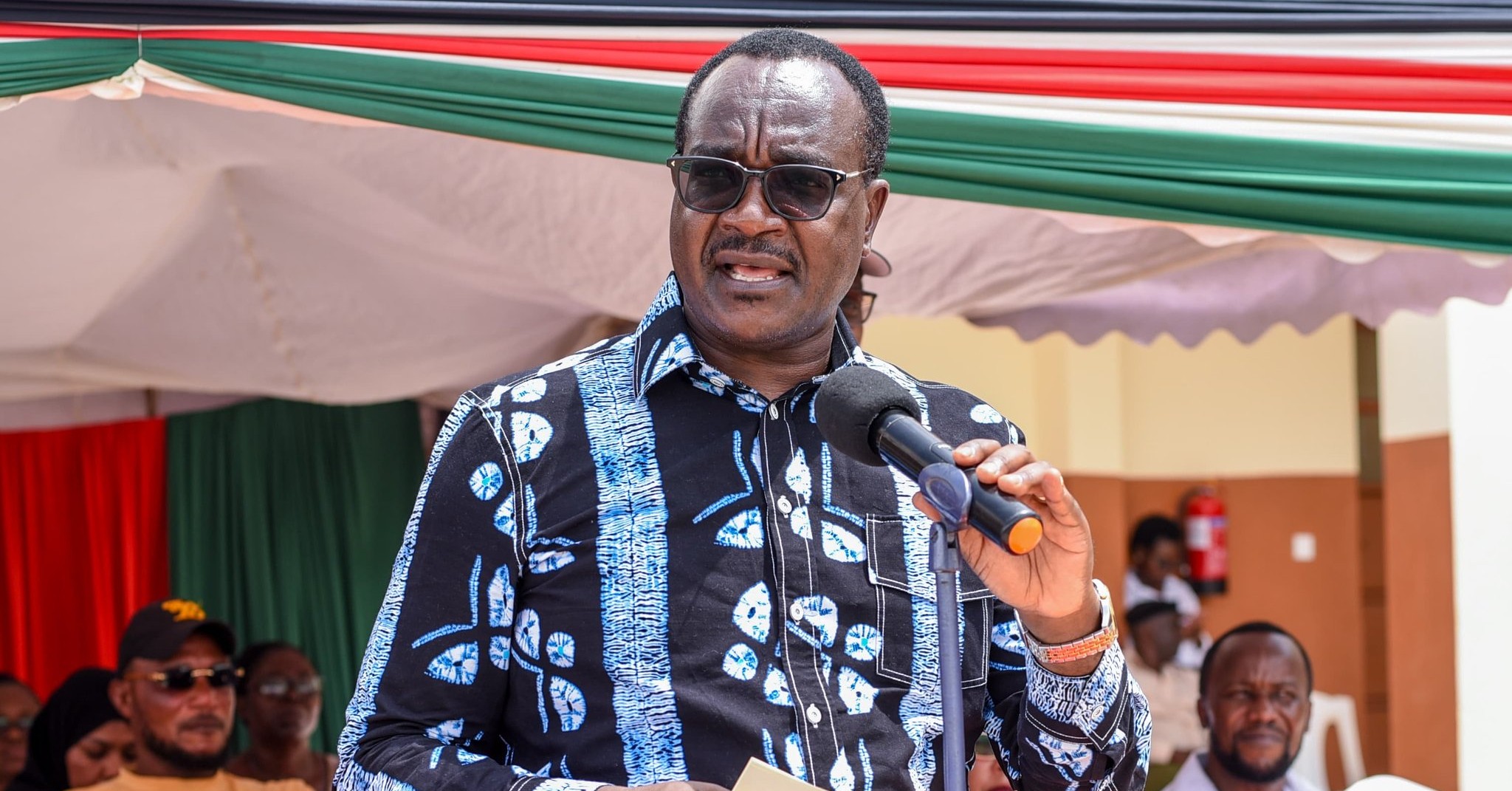
Education CS Julius Ogamba. Photo/@juliusogamba/X
By Newsflash Correspondent
The government has formally postponed the absorption of Junior School (JS) intern teachers into permanent and pensionable (PNP) terms until January 1, 2027, effectively pushing their long-awaited job security into the next general election year.
Seeking to ease growing anxiety, Basic Education Principal Secretary Prof Julius Bitok confirmed that the 20,000 interns will serve one more year on contract, insisting the State remains committed to fully enrolling them onto the Teachers Service Commission (TSC) payroll in 2027.
The extension stems from a policy directive issued by President William Ruto requiring intern teachers to complete a minimum of two years before qualifying for permanent employment. As a result, all JS interns have had their contracts renewed from January 1, 2026, to December 31, 2026, in line with the Teacher Internship Policy and Guidelines (2019), a move the government says will guarantee continuity of learning. “President Ruto has directed that because they have been given a one-year contract, we extend it by another year and provide resources next financial year for confirmation on January 1, 2027,” Prof Bitok said. Despite the reassurance, discontent among interns continues to simmer.
Intern morale and pay frustrations
The Kenya Junior School Teachers Association (Kejusta) has criticised the decision, saying the contract extension has dealt a blow to teacher morale. Interns currently earn a monthly stipend of Sh20,000, which the union says is inadequate and demoralising. Many had hoped to receive PNP appointment letters as a Christmas reward after enduring a demanding first year under the new curriculum.
Read more: Inside the struggles of intern graduate teachers
President Ruto has previously defended the internship framework, saying it balances staffing needs with employment pathways. “After two years, they will be automatically absorbed. The programme meets staffing targets while providing a pathway for unemployed teachers,” he said. Even so, JS teachers argue that prolonged uncertainty and low pay risk undermining motivation and teaching quality.
Power struggle over junior school management
Beyond remuneration, a contentious debate over the management of Junior Schools continues to divide stakeholders. JS teachers are pushing for full administrative autonomy, while the government favours a Comprehensive School model, under which one principal would oversee both primary and junior sections, supported by two deputies. Prof Bitok defended the proposal, arguing that granting complete independence to JS is “unfeasible” given current resource constraints.
TSC Director of Staffing Antonina Lentoijoni said the model could be operationalised once the National Assembly enacts the necessary legal framework, potentially resolving ongoing disputes between JS teachers and primary school administrators. However, resistance remains entrenched.
Read more: Teachers brace for midnight shift to SHA Cover
More than 23,000 primary school heads, alongside the Kenya National Union of Teachers, oppose the arrangement, while Kejusta maintains that many primary heads lack the qualifications to supervise JS teachers. The disagreement has now escalated to the courts, with 39 JS educators—represented by Kejusta—filing a petition against Education Cabinet Secretary Julius Ogamba, TSC and the Attorney General. The case argues that placing JS under primary school heads erodes professional autonomy, exceeds legal mandates and was introduced without adequate public participation.
President Ruto has promised to provide policy clarity on the matter, pledging engagement with TSC despite its constitutional independence. “I will work with TSC. I know it is independent, but we are going to give them a policy direction on what they need to do,” he said.
For now, all serving Junior School interns will continue working under renewed contracts throughout 2026, ensuring uninterrupted learning as the government prepares for the significant fiscal and policy shift expected in 2027.


About the Author