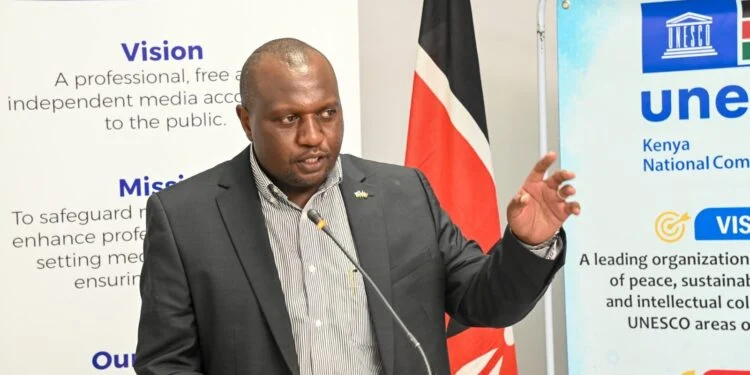
A file image of Nick Wambugu. Photo/File
By Newsflash Reporter
Nick Wambugu, a filmmaker credited as one of the creative forces behind the viral 2025 BBC documentary Blood Parliament, has died.
His death was confirmed by his lawyer, Ian Mutiso, who said Wambugu succumbed to a rare illness on the morning of Wednesday, December 7.
In the months before his passing, it emerged that the filmmaker had been battling Hypocellular Myelodysplastic Syndrome (MDS), a rare condition in which the bone marrow fails to produce sufficient healthy blood cells.
Final appeal for medical support
During his final days, Wambugu turned to social media to seek financial support for life-saving treatment following the diagnosis.
Read more:BBC’s ‘Blood Parliament’ documentary sparks outrage in Kenya
He revealed that doctors had recommended a bone marrow transplant, a procedure estimated to cost about Ksh9 million. One of his last posts, shared widely and seen by Kenyans.co.ke, announced a medical fundraiser scheduled for January 10 at a popular entertainment spot along Thika Road.
In a poignant Facebook post, Wambugu reflected on his journey, writing: “For most of my life, I’ve used my camera to tell stories of courage — people who rise again after life tries to break them. Today, I find myself living one of those stories.”
Tributes and legacy
Tributes poured in following news of his death, including from activist Hanifa Adan, who described the loss as heartbreaking and praised his resilience.
Before his passing, the 34-year-old video journalist disclosed that his illness began quietly in October 2025, initially marked by persistent fatigue that prompted his sister to urge him to seek medical help.
Read more:Russian general killed in Moscow car bomb attack
Doctors later diagnosed him with the blood disorder but could not establish a definitive cause, suggesting it may have been genetic or triggered by other factors. Wambugu had built a career in videography and filmmaking and rose to national prominence after the release of Blood Parliament, which documented the experiences of protesters during the 2024 anti-government demonstrations.
Days after the documentary aired, he and three others were arrested over their alleged involvement in the film, later prompting him to file a complaint accusing police of installing spyware on his phone while in custody, a claim that sparked renewed debate over media freedom.
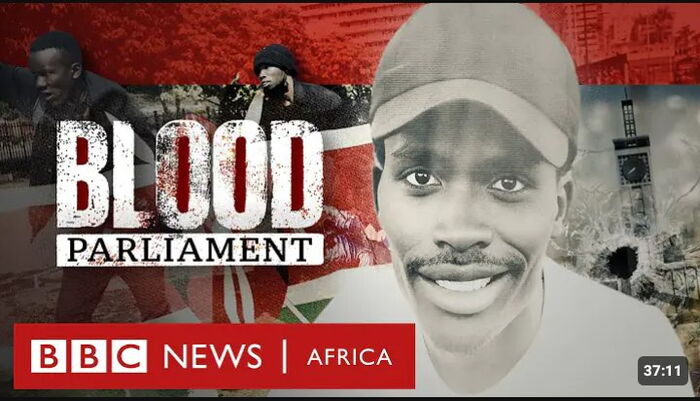
Photo/Screengrab


About the Author