IGAD Executive Secretary Workneh Gebeyehu celebrates Ethiopia’s COP32 hosting victory. (Photo: IGAD)
By Daisy Okiring
NAIROBI,Kenya: Ethiopia’s victory in securing hosting rights for the 32nd UN Climate Change Conference (COP32) has triggered strong reactions across the Horn of Africa, with regional bloc IGAD calling the decision a breakthrough moment that elevates the long-marginalised region to the centre of global climate diplomacy.
While Addis Ababa is celebrating what it considers a continental endorsement, the development has also opened up deeper questions about whether Ethiopia and its neighbours can turn the global spotlight into meaningful climate outcomes for communities facing drought, displacement and escalating resource pressures.
This is the most extensive and investigative breakdown yet of what Ethiopia’s hosting win actually means for the region.
Read More: COP30 summit opens in Brazil with historic climate finance pledge
Regional applause but questions linger
In a statement released shortly after the announcement, IGAD Executive Secretary Workneh Gebeyehu described Ethiopia’s selection as a milestone for Africa and a rare opportunity for the Horn to voice its climate challenges on the world stage. He said the decision reflects Ethiopia’s growing stature within international climate negotiations and its commitment to long-term environmental recovery.
Workneh praised the vote as a continental achievement but also took a more pragmatic tone, cautioning that the conference would only be a true victory if it results in stronger climate financing and deeper regional cooperation.
He argued that the Horn of Africa, home to some of the world’s harshest climate realities, has often been excluded from major decisions despite being among the hardest hit. With COP32 now set for Addis Ababa, he said the region has a chance to redefine its presence in global climate governance.

How Ethiopia secured Africa’s unified support
Diplomatic officials within the African Group of Negotiators confirmed that Ethiopia’s bid benefited from early coalition building. Countries that have historically disagreed on climate priorities came together behind Ethiopia after what officials described as an “intensive and strategic” lobbying push led by Prime Minister Abiy Ahmed and senior diplomats.
Abiy later acknowledged that Ethiopia won the bid through unanimous support. Speaking shortly after IGAD’s statement, he thanked African states for standing behind Addis Ababa and claimed that the selection reflected the continent’s confidence in Ethiopia’s climate leadership and capacity to host large-scale international conferences.
He said Africa had spoken “with one voice” and that the world had responded by awarding Ethiopia the responsibility of leading the next round of global climate negotiations.
Read More: Kenya secures EU deal to boost climate action
Green Legacy and GERD shape Ethiopia’s climate identity
During its review of Ethiopia’s track record, IGAD highlighted two major national programs that significantly boosted confidence in Addis Ababa’s capacity to host COP32.
One is the Green Legacy Initiative, a countrywide reforestation campaign launched in 2019. The program claims that millions of citizens have planted more than 30 billion trees in an effort to reverse land degradation and improve water availability. Despite some questions about data accuracy, environmental groups agree that the initiative has mobilised public consciousness around climate resilience on a scale rarely seen in Africa.
The second project is the Grand Ethiopian Renaissance Dam, Africa’s largest hydropower project and a major symbol of clean-energy ambition. Although it has sparked diplomatic tensions with Egypt and Sudan, IGAD praised the dam as a transformative investment that could help expand energy access across the region and reduce reliance on fossil fuels.
IGAD’s statement notes that these programs demonstrate Ethiopia’s “long-term vision for sustainable growth” and its determination to contribute to climate-positive development.

A region facing severe climate pressures
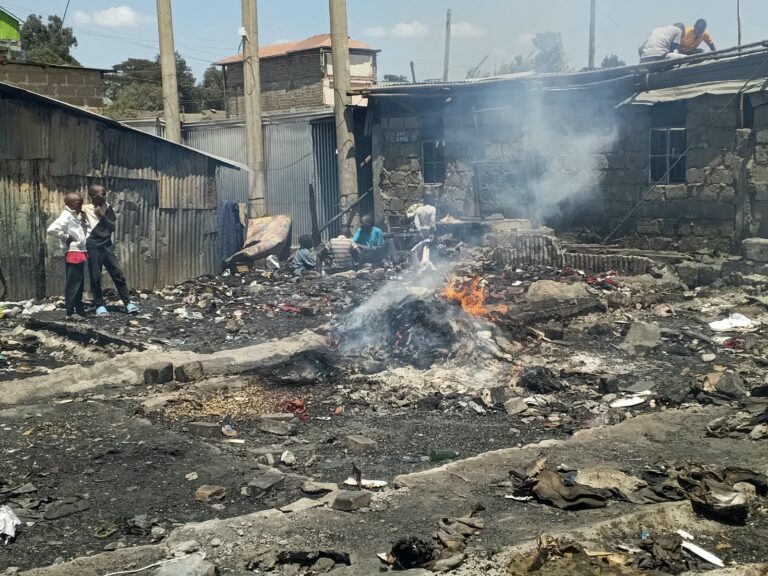
By hosting COP32, Ethiopia brings the global climate community face-to-face with the Horn of Africa’s escalating climate emergencies. The region has endured repeated failed rainy seasons, leading to one of the worst droughts in 40 years. Millions have been displaced, farmlands have collapsed, and conflict linked to resource scarcity continues to rise.
Environmental experts say the scale of the crisis makes the Horn an important test case for climate adaptation financing. Yet despite its vulnerability, the region receives less than 5 percent of global climate funding. IGAD argues that COP32 provides a chance to push for more equitable access to climate finance and to advocate for interventions tailored to the region’s specific challenges.
The bloc’s leadership insists that the world must recognise the urgency of drought cycles, climate-induced migration, and the breakdown of food and water systems across Ethiopia, Somalia, Kenya, South Sudan and Eritrea. IGAD says the upcoming summit must turn these realities into concrete international commitments.
Inside IGAD’s strategic plan for COP32
Internal briefing documents reviewed by The Eastleigh Voice indicate that IGAD has already begun drafting policy priorities ahead of the conference. The organisation wants to position the Horn as a region not only suffering from climate change but also capable of leading innovative solutions.
IGAD is pushing for negotiations that widen access to climate finance and support large-scale adaptation projects. It also wants the conference to strengthen cross-border cooperation on water management and drought prediction. The organisation believes Ethiopia’s hosting position will allow the Horn to influence negotiations that have traditionally been dominated by major economies.
Officials also say the bloc will advocate recognition for climate-driven migration, an issue the UN has been slow to formally define despite rising displacement in Africa.
A logistical test for Ethiopia
Although Ethiopia is celebrating the victory, it now faces the considerable task of hosting what is expected to be one of the largest COP summits to date. The event could attract more than 70,000 delegates, including world leaders, negotiators, civil society groups and media organisations. Ethiopia must prove it can guarantee security, transport, accommodation and digital infrastructure for thousands of participants.
Regional security analysts note that Ethiopia’s recent conflict in the north, combined with continuing ethnic tensions, could pose challenges. Questions exist around the country’s preparedness to maintain stability during a global summit of this scale. For now, however, Ethiopian officials have expressed confidence that the country’s capital can meet all logistical demands.
A defining moment for Africa’s climate diplomacy
IGAD has pledged to work closely with Ethiopia, the African Union and the UNFCCC Secretariat to ensure that COP32 is inclusive and driven by African priorities. The organisation wants the conference to become a turning point for Africa’s climate future, strengthening global support for adaptation, resilience and green energy development.
In his final remarks, Workneh said IGAD stands with Ethiopia to deliver a conference that elevates the Horn of Africa, spotlights regional solutions and reinforces global climate solidarity.
Prime Minister Abiy echoed the sentiment, saying Ethiopia is honoured to take on the responsibility and is ready to lead global discussions on one of humanity’s greatest challenges.


About the Author