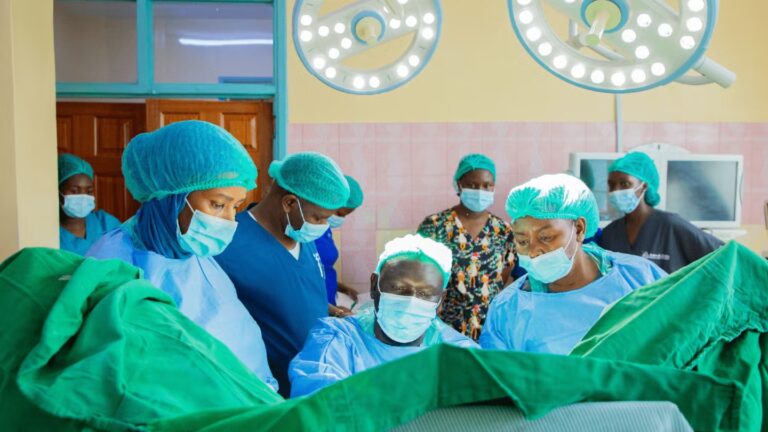
Diabetes is one of the major noncommunicable diseases impacting pregnant women worldwide. (Courtesy: Freepik)
By Daisy Okiring
NAIROBI, Kenya: The World Health Organisation has issued its first global guidelines for managing diabetes during pregnancy, marking a major milestone in maternal health and filling a longstanding gap in international medical standards. With an estimated 21 million pregnancies affected by diabetes every year—roughly one in six—the new recommendations are expected to reshape how countries screen, diagnose, treat and monitor the condition.
Until now, health systems across the world relied on fragmented guidance drawn separately from diabetes care and pregnancy care. The absence of a unified global standard has led to inconsistent practices, especially in low- and middle-income countries where access to specialised maternal services is uneven. WHO officials say the new framework provides the first-ever consolidated roadmap designed specifically for pregnant women living with diabetes.
27 recommendations to protect mothers and babies
The guidance outlines 27 key recommendations intended to reduce the risk of complications such as pre-eclampsia, stillbirth, excessive birth weight, birth injuries, premature delivery and long-term metabolic problems for both mother and child. Diabetes in pregnancy—whether gestational diabetes or pre-existing diabetes—remains one of the most overlooked threats to maternal and newborn health worldwide.
The guidelines emphasise personalised care, beginning with early screening, regular blood glucose monitoring, lifestyle support and timely treatment using approved medications. WHO stresses that each woman’s treatment plan should reflect her health history, risk level and access to resources, ensuring no pregnant woman is excluded because of her environment or economic situation.
WHO Director-General Tedros Adhanom Ghebreyesus described the guidelines as a “long overdue step” that aligns global knowledge with the realities faced by women in clinics, hospitals and community health centres.
“WHO has long had guidance on diabetes and guidance on pregnancy, but this is the first time we are issuing a specific standard of care for managing diabetes during pregnancy,” he said. “These guidelines are grounded in the realities of women’s lives and health needs, and provide clear, evidence-based strategies to deliver high-quality care for every woman, everywhere.”

A push to integrate diabetes care into routine maternal health services
A central pillar of the guidance is the integration of diabetes screening and management into routine antenatal care. Many countries still run diabetes services separately from maternal health programmes, forcing pregnant women to navigate multiple facilities and specialists. WHO warns this model contributes to late diagnosis, missed follow-up appointments and poor birth outcomes.
The organisation urges health ministries to redesign antenatal packages to include early detection of gestational diabetes, regular counselling, nutritional support and immediate referral pathways for high-risk cases. It also calls for equitable access to essential technologies—including blood glucose meters, test strips and insulin—and highlights the need to train frontline providers to deliver consistent, respectful and informed care.
Read More: The care crisis: Why more Kenyans are dying of cancer
Low-income countries face the highest risks
Although diabetes in pregnancy is a global problem, its heaviest burden falls on low- and middle-income countries. Factors such as limited access to diagnostics, shortages of skilled health workers, inconsistent medication supply and economic constraints heighten risks for women in these regions.
Women in rural areas often reach health facilities late in pregnancy, when complications have already progressed. For many, buying regular testing supplies or travelling to specialised clinics is simply unaffordable. WHO hopes that by standardising care globally, governments and donors will be better positioned to direct funding toward interventions that work.
The consequences of unmanaged diabetes can be severe. Babies may be born with dangerously high birth weights, increasing the likelihood of caesarean deliveries, birth trauma or prolonged labour. Mothers face higher chances of hypertension, severe bleeding and complications during delivery. Both mother and child carry long-term risks of developing type 2 diabetes, obesity and cardiovascular disease.

Released on World Diabetes Day
The timing of the publication coincides with World Diabetes Day, which this year focuses on “Diabetes across life stages.” The theme reflects a growing understanding that the condition affects individuals from early childhood through adulthood and old age, requiring continuous, coordinated care.
The new guidelines intersect with this theme by highlighting pregnancy as a critical window for intervention. Proper management during pregnancy not only prevents immediate complications but also breaks the cycle of intergenerational diabetes—where high blood sugar in pregnancy increases lifelong risks for the child.
Read More: Kenya to fast-track medicine registration, boost local production
Part of a broader global health strategy
WHO notes that these guidelines form one part of a wider push to strengthen maternal health systems and curb the global rise in diabetes, which now affects more than 800 million people worldwide. Diabetes remains a major cause of heart disease, kidney failure, blindness, nerve damage and limb loss.
The organisation is urging governments to reform health budgets and protect maternal health funding, warning that aid reductions seen in recent years could undermine progress. Strengthening early diagnosis programmes, expanding access to insulin, improving health worker training and integrating digital tools for monitoring are among the strategies WHO recommends going forward.
The guidelines also highlight the need for public awareness campaigns to encourage women to seek antenatal care early, maintain healthy diets, stay active and attend regular check-ups—steps that can significantly reduce the risk of developing gestational diabetes.
A roadmap for the future
While the guidelines provide a strong foundation, WHO acknowledges that implementation will vary by country depending on available resources, workforce capacity and existing health system challenges. The organisation has urged governments to align national policies with the new framework and to collaborate with global partners to close gaps.
Advocates say this guidance could transform outcomes for millions of women if governments adopt it fully. By offering a clear pathway from screening to postpartum care, the recommendations aim to give every pregnant woman—regardless of where she lives—the best chance for a safe pregnancy and a healthy baby.


About the Author