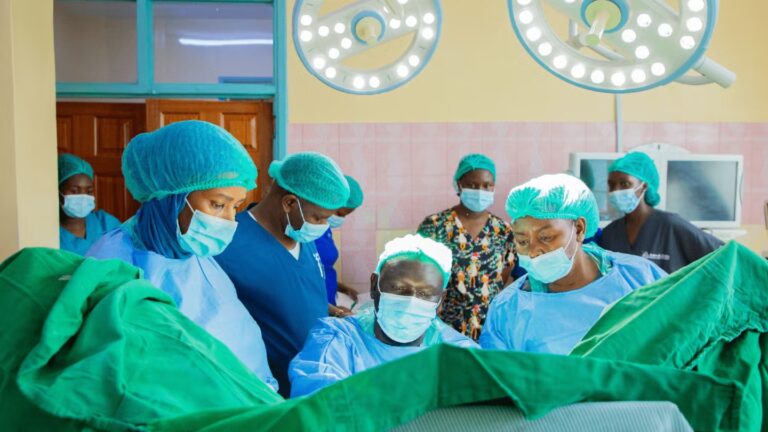
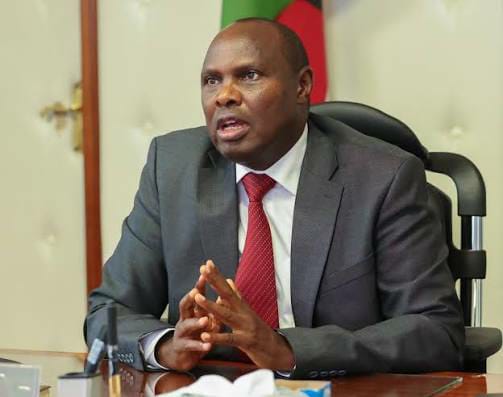
A nurse attends to a cancer patient during chemotherapy at Kenyatta National Hospital’s oncology ward. — Courtesy: Ministry of Health
By Daisy Okiring
NAIROBI, Kenya: How many lives must be lost before cancer care becomes truly affordable?
Across Kenya, thousands of cancer patients are being forced to make an impossible choice — continue life-saving treatment or protect their families from financial ruin. New data from the Kenya Network of Cancer Organisations (KENCO) paints a grim picture of a health system struggling under the weight of high treatment costs and limited support under the Social Health Authority (SHA).
According to KENCO Executive Director Phoebe Ongadi, more than 29,000 Kenyans die from cancer each year, with about 44,700 new cases recorded annually. She believes the true figure could be even higher, given gaps in data collection and underreporting across the country.

Hidden Toll Behind the Numbers
Speaking before the National Assembly Health Committee, Ongadi urged lawmakers to strengthen Kenya’s national cancer registry. She warned that current statistics, including those from international sources like Globocan, might significantly underestimate the scale of the crisis.
“Locally, we need to strengthen the national registry because I believe the data we see could be lower than what we have on the ground,” Ongadi said. “We need accurate information to build effective strategies to fight cancer in Kenya.”
Read More: Over 160 newborns, 14 mothers die during Kiambu doctors’ strike — CS Duale
For many families, the reality is devastating. The high cost of chemotherapy, radiotherapy, and follow-up care has turned cancer into both a medical and financial nightmare.

When Treatment Becomes Unaffordable
KENCO’s latest report reveals that over 60 percent of cancer patients deplete their SHA coverage before the end of the financial year. For 35 percent, benefits run out in under three months, and about 13 percent are forced to abandon treatment altogether.
Families spend an average of Sh3.8 million annually to cover cancer-related expenses, including hospital visits, medication, and surgery. For most, these costs are simply unsustainable.
“SHA has increased emotional distress more than the disease itself,” Ongadi told MPs. “Patients live in constant fear — wondering whether their treatment will be approved, when their coverage will renew, or when they’ll have to pay out of pocket.”
Read More: Kenya to fast-track medicine registration, boost local production
The transition from the National Health Insurance Fund (NHIF) to SHA was meant to expand access to care, but many patients now report longer approval processes, unclear benefit structures, and reduced support for specialised treatments.
Patients Left Behind
Health activists say the current system risks undoing years of progress in cancer care. Some patients, unable to afford additional cycles of chemotherapy or radiation, have turned to traditional remedies or discontinued care altogether.
“The human cost of policy failure is staggering,” said one oncologist from Nairobi Hospital who requested anonymity. “We see patients stop treatment halfway simply because they cannot pay. It’s heartbreaking because many of these cases are treatable if care is consistent.”
Government Response and Reforms
In response to mounting criticism, Health Cabinet Secretary Aden Duale told Parliament that SHA has accredited 140 facilities nationwide to deliver comprehensive cancer care. The network spans public, private, and faith-based hospitals, aiming to bring specialised services closer to patients.
“So far, 33,101 patients have received care under SHA’s cancer benefit package,” Duale said. “The programme supports every stage of treatment — from diagnosis and surgery to radiotherapy, chemotherapy, and palliative care.”
Duale noted that the ministry has also removed limits on the number of treatment cycles within the annual benefit cap, ensuring patients receive continuous care within the available budget.
Through the Social Health Insurance Fund (SHIF), SHA has already settled Sh5.8 billion in cancer-related claims, with an additional Sh774 million set for payment by mid-November.

A Step Forward or Too Little, Too Late?
While government reforms signal progress, patient advocates argue that implementation remains uneven. Many accredited hospitals, particularly in rural counties, lack equipment or personnel to deliver advanced care. Others demand co-payments that remain out of reach for low-income families.
“Access to accredited facilities doesn’t automatically translate to access to treatment,” said Ongadi. “If people still have to travel hundreds of kilometres or pay additional fees, then we haven’t solved the problem.”
Experts also warn that Kenya’s cancer burden is rising faster than its capacity to respond. Urban pollution, lifestyle changes, and limited screening have led to late-stage diagnoses — when treatment becomes costlier and survival rates drop sharply.
The Human Face of the Crisis
For patients like 42-year-old Sarah from Kisumu, a breast cancer survivor, the cost of care is a daily struggle. “I had to sell my car and take loans to complete my chemotherapy,” she said. “Even now, I still go for follow-ups, but I fear one day I won’t afford them.”
Stories like Sarah’s are echoed across the country — of parents selling land, of students dropping out of school to care for sick relatives, and of patients dying not because medicine failed, but because money ran out.
Building a Sustainable Path
Health experts say Kenya’s long-term cancer response must focus on prevention, early detection, and affordable treatment. Expanding screening services and investing in radiotherapy machines outside major cities could save thousands of lives each year.
KENCO has also called for inclusion of more cancer drugs in the essential medicines list, ensuring stable supply and lower costs. Partnerships between government and private insurers could further ease the financial burden on households.
“Cancer shouldn’t be a death sentence or a debt trap,” Ongadi said. “We need political will, data-driven planning, and a financing model that doesn’t punish patients for being sick.”


About the Author