
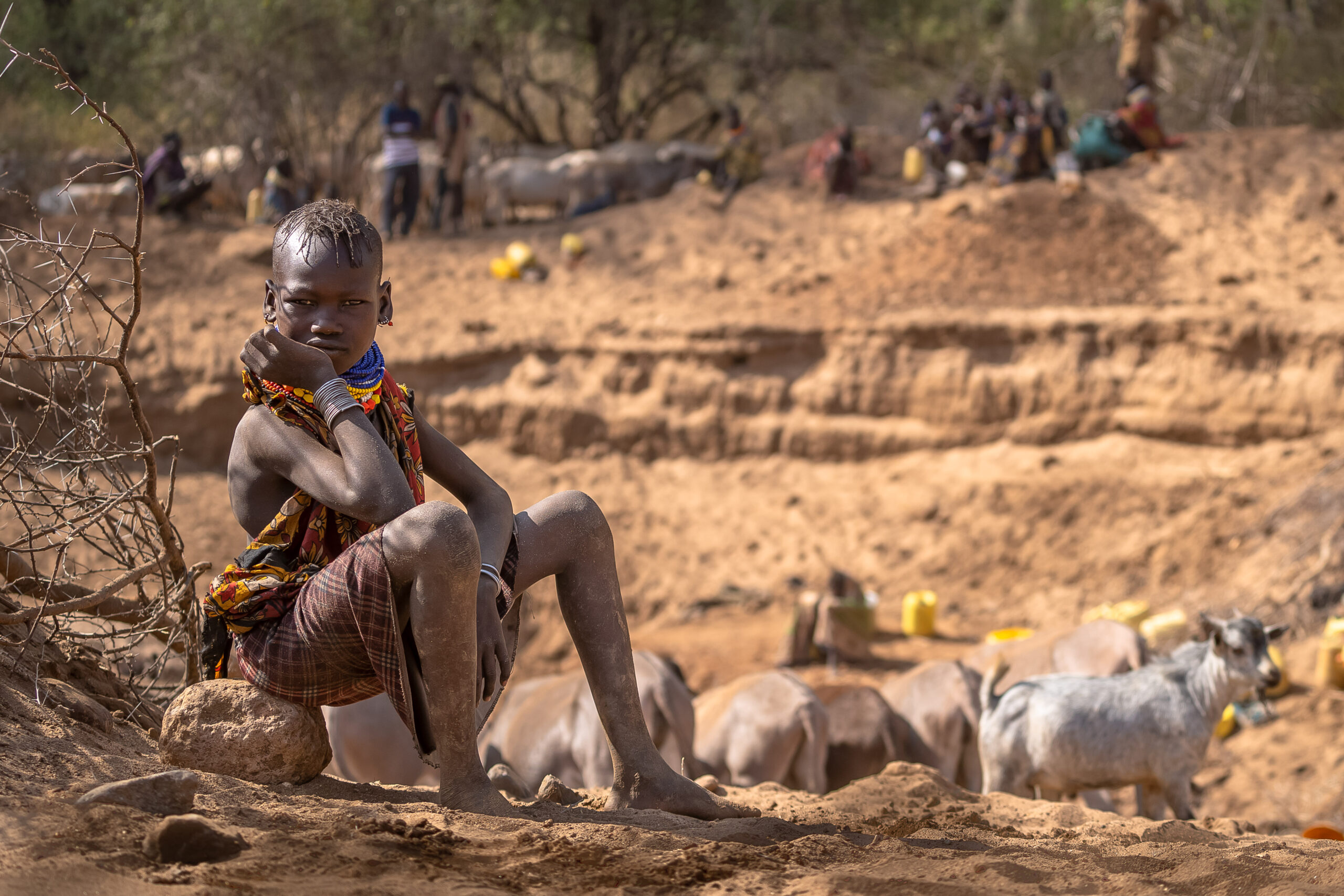
A young Turkana boy sits silently near a dry riverbed as livestock scavenge for the last traces of water. (Photo/Reuters).
By Daisy Okiring
Nairobi Kenya, 2025/07/04
Just after dawn in Kakimat village, 8‑year‑old Eliud sits under a scorched acacia tree, his eyes fixed on the cracked earth where his parents once grazed cattle. Now, like over 200,000 pastoralists clustered in Turkana’s climate camps, his family hunts for a drop of water.
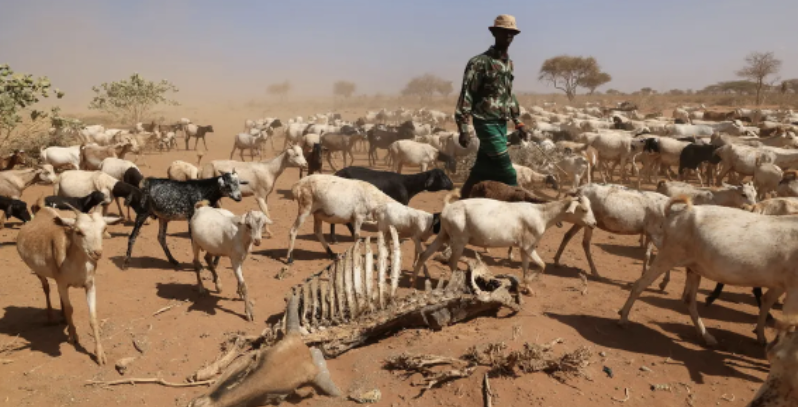
They are living proof that prolonged drought has dismantled generations of nomadic traditions. Between 2021 and 2023, Kenya endured its worst drought in 40 years, with five failed rainy seasons leaving 4.4 million people food‑insecure and causing the death of 2.5 million livestock.
The End of Migration
In the arid expanse of Turkana, herders like Ekwuon, a 60‑year‑old former nomad, once roamed with their herds for pasture and water. “When I was a child, there was plenty of grass, water, and animals,” he recalls. “But now, there is nothing except drought.” Drought has replaced migration—a lifeline for pastoralists—with desperate settlement in overcrowded camps, erasing rituals and survival practices honed by centuries of seasonal mobility.

Tanks and Boreholes: Margins of Hope
Initiatives like the solar‑powered SCORE II water scheme have brought life back to parts of Turkana Central. Since its launch in March 2025, 139,500 residents now access clean water from boreholes and sand dams— reducing treks over 50 km and lowering disease rates. Mary Lokwalop, a mother of five, shares her relief: “I walk only 20 minutes to the water point… the water is clean, there is enough for our families and livestock, and hygiene has greatly improved.”
Yet, these lifelines reach only pockets of the drought-stricken region. Vast communities remain thirsty, their livestock lost, their livelihoods shattered.
Health on the Brink
The human toll is glaring. In Loima and Losol villages, nearly a million children require humanitarian aid. At one outreach clinic, health volunteers weighed Akal—her 19‑month‑old daughter, emaciated, having gone three days without food. Akal’s mother, a widow, said, “My children and I feel exhausted because we’re hungry.” The malnutrition rate among children under five in Turkana currently exceeds 30%, dwarfing global emergency thresholds.
Expectant mothers aren’t spared. Akure Ewar, 28 weeks pregnant, says she has “never experienced a drought as bad as this in my life… our animals kept us going… but they all perished.”

From Livestock to Fishing Nets
With herds gone, former pastoralists scramble for alternative incomes. Ang’elech Losuru, once a cattle owner, now stands among fishermen on the shores of Lake Turkana, struggling to catch fish. “All my animals perished… I am now impoverished,” he admits. Yet, as climate change worsens, fishing may be the only path. In the region, over 200,000 pastoralists have shifted to the lake— a trend likely to accelerate.
Also Read:Tana River Women Group seeks support to boost conservation
This shift, while offering some income, also brings new conflicts—crowded lakefronts and fragile ecosystems—the flip side of climate upheaval.

National Response: Resilience, Not Just Relief
In April 2025, the Kenyan government launched the Ending Drought Emergencies Common Programme (EDE CPF II), targeting ASAL regions like Turkana. Cabinet Secretary Beatrice Askul Moe called it “a shift from reactive crises to proactive risk reduction,” noting that 1.5–4.9 million Kenyans suffer each year from recurring drought emergencies.
Moreover, the World Bank‑backed pastoral insurance scheme—ending drought emergencies by 2032—represents an important step toward long-term resilience. Yet, experts warn these efforts need to be swiftly and evenly implemented to reach every corner of Turkana County.
Voices of Endurance
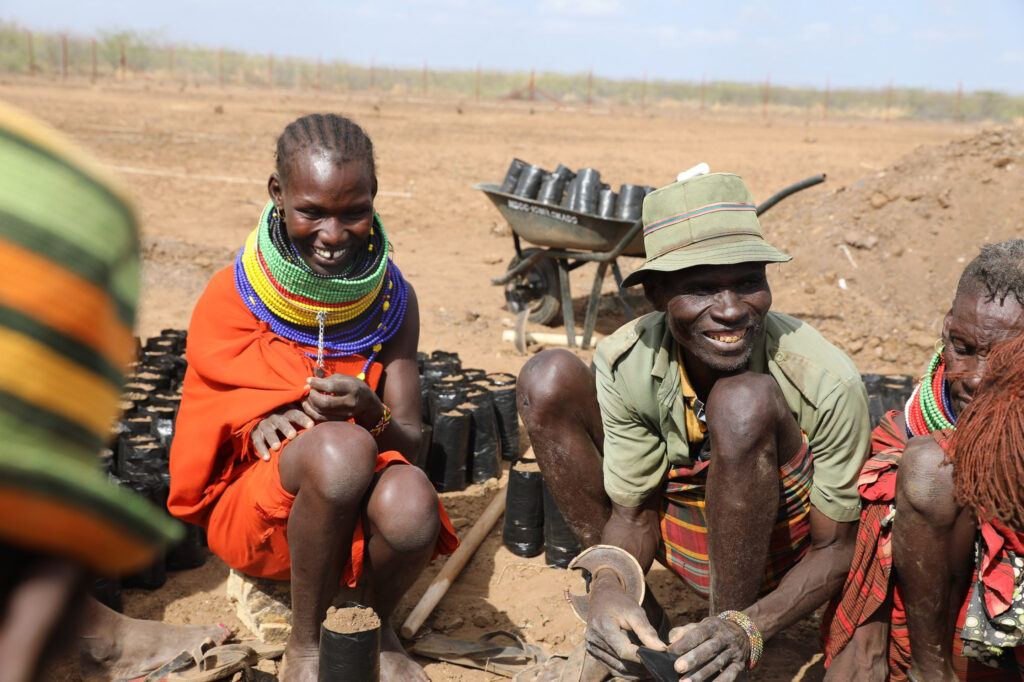
Climate crisis aside, a cultural reckoning is underway. Ekwuon, formerly proud of his flocks, now contemplates new hopes for his children: “I want them to go to school… get a proper job… come back and help communities like this one.”
Similarly, community activist and local leader Napeyok Loroti implores decision‑makers: “We need water, schools, clinics—not camps that strip us of dignity. If the rains do not return, we must build new ways to live.”
A Plea to Remember the Past
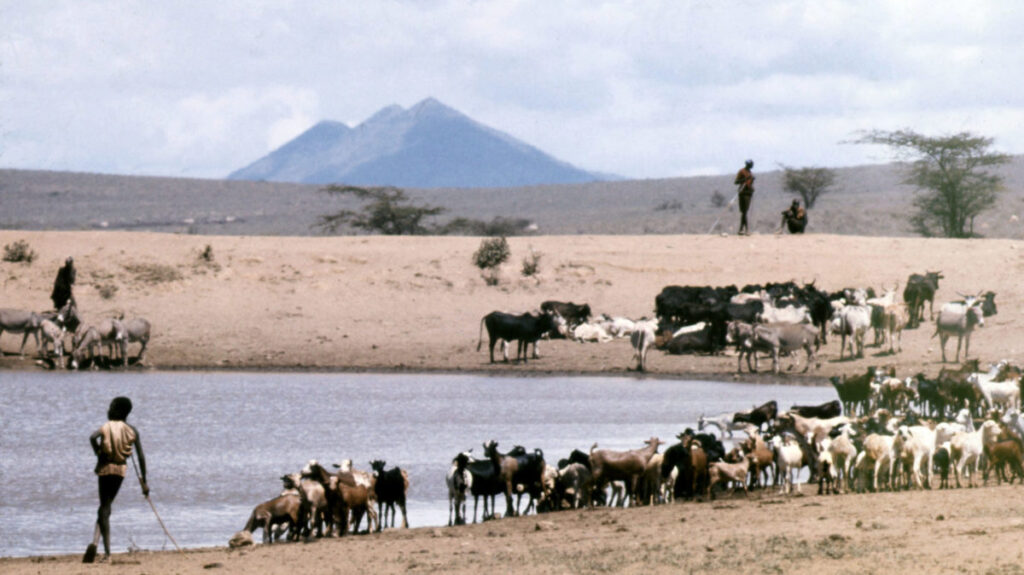
As rains fail for the sixth season, the echoes of lost horns and caravans grow fainter. Yet behind stark statistics and aid efforts are faces shaping fragile futures in shifting landscapes. To forget them is to let a people vanish with the rain. A true measure of resilience will be whether we act—before the rain is truly forgotten.


About the Author




1 thought on “Where the rain forgot us: Nomadic lives upended by drought camps”
Comments are closed.