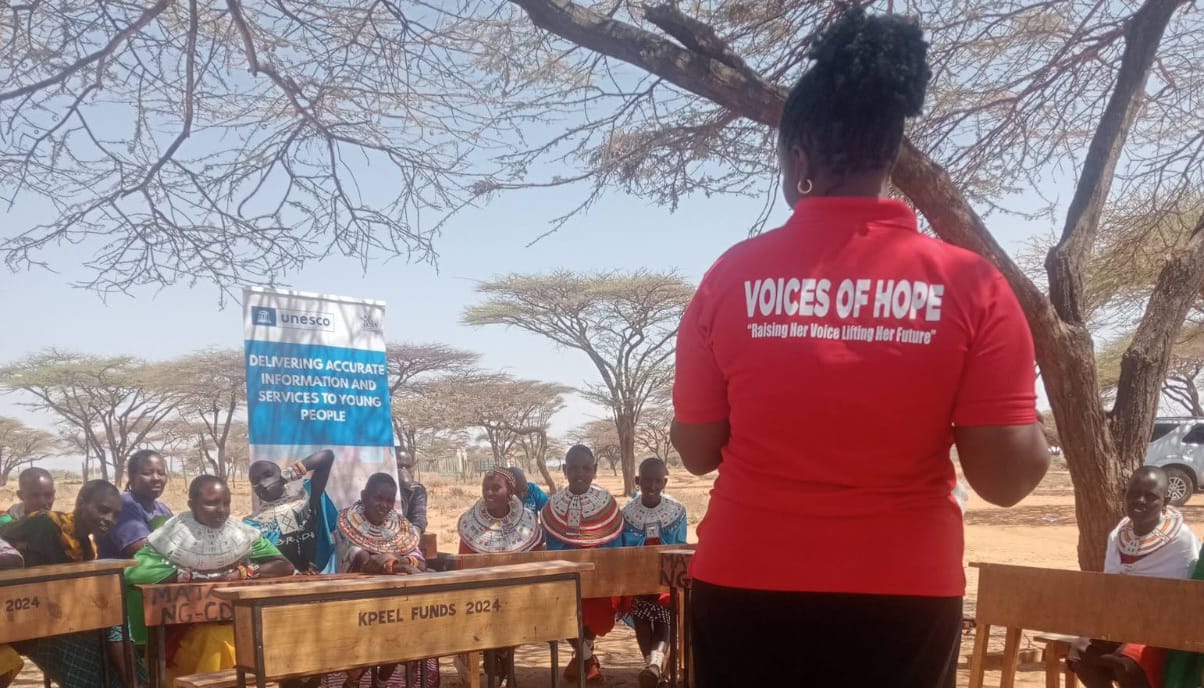
A member of the Voices of Hope Community Based Organisation (CBO) mentoring young learners in one of their grassroot engagements. Photo/Voices of Hope
By Wanderi Kamau
When she was posted to Samburu East Sub-County in Samburu County, teacher Florence Lerapayo noticed an unusual pattern of frequent absenteeism among girls and boys at the primary school where she taught.
Many learners would report to school only to disappear days or weeks later.
As she investigated the trend, Florence discovered that many of the children had fallen victim to harmful cultural practices. Girls were being forced into early marriages while boys were being initiated into moranism at a young age, effectively ending their education.
Determined to change the situation, she joined several like-minded teachers in the Wasichana Wetu Wafaulu initiative, whose mission was to mentor vulnerable girls and rescue them from the scourge of child and forced marriages. The programme also worked with several partner organisations that shared the same vision.
However, the initiative came to an abrupt halt in 2020 when the Covid-19 pandemic struck.
Because the programme depended on travelling to remote villages to mentor girls and engage communities, the nationwide lockdowns made the work impossible. Members remained indoors for months, their activities stalled, and the once-promising initiative gradually faded away.
After the Government lifted the Covid-19 restrictions in 2022, Florence and 20 fellow teachers from schools across Samburu East Sub-County resolved to revive the mission—this time under a new banner.
They established Voices of Hope, an initiative dedicated to restoring hope among children whose education had been interrupted by early marriage and toxic moranism.
“The name reflects our mission of restoring hope to the community,” said Florence in an interview with Newsflash Kenya.
Initially, the teachers resumed their mentorship programmes and rescue missions voluntarily. Between 2022 and 2025, they carried out the work in their personal capacity before officially registering Voices of Hope as a Community-Based Organisation (CBO).
Since then, the organisation has rescued more than 21 girls and 10 boys, giving them a second chance to continue their education.
Challenges
Despite the encouraging achievements, Florence admits that the journey has been anything but easy.
“While our initiative is noble, it comes with enormous challenges. Although it is humanitarian work, it can sometimes become life-threatening,” she says.
Today, Voices of Hope comprises about 20 teachers drawn from different schools across Samburu East.
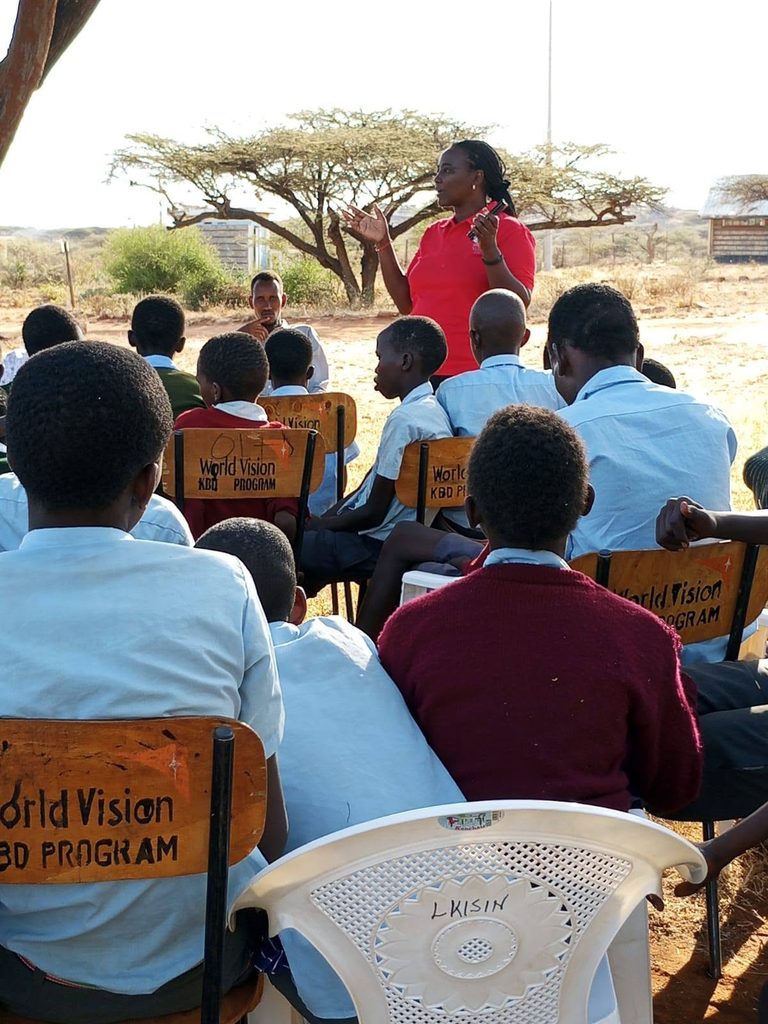
Besides Florence, who serves as Deputy Headteacher at Lkisin Comprehensive School, the team includes Ms Pamela Lolchuragi of Nagor Woru Comprehensive School, Ms Ninian Leparmarai of Matakwani Primary School, Mr Leguuto Samuel of Ndonyo Werkon School, Mr Maxwell Lerte of Ngilai Comprehensive School and several other dedicated teachers.
Read more: Smart irrigation gives Kenyan farmers hope against climate change
One of their biggest challenges is persuading parents to allow rescued children to remain in school.
“Convincing some parents that education offers a better future than early marriage or premature initiation into moranism is not always easy,” Florence explains.
The teachers often rely on dialogue, patience and diplomacy when negotiating with families.
“We sometimes succeed in rescuing girls, only for them to be taken back into marriage later. That has been one of our greatest setbacks,” she says.
The same applies to boys.
Some are rescued and returned to school, only to be re-integrated into moranism before completing their education.
Schools as safe havens
To protect vulnerable learners, Voices of Hope has turned some schools into temporary rescue centres.
“To ensure the rescued boys and girls remain safe and continue with their education, we sometimes have to accommodate them within school,” says Mr Leparmarai, one of the organisation’s key members.
The organisation receives support from partners including Youth for Sustainable World (under the United Nations Educational, Scientific and Cultural Organization – UNESCO).
“We have dedicated ourselves to improving the lives of these children because they belong to our community,” says Leparmarai.
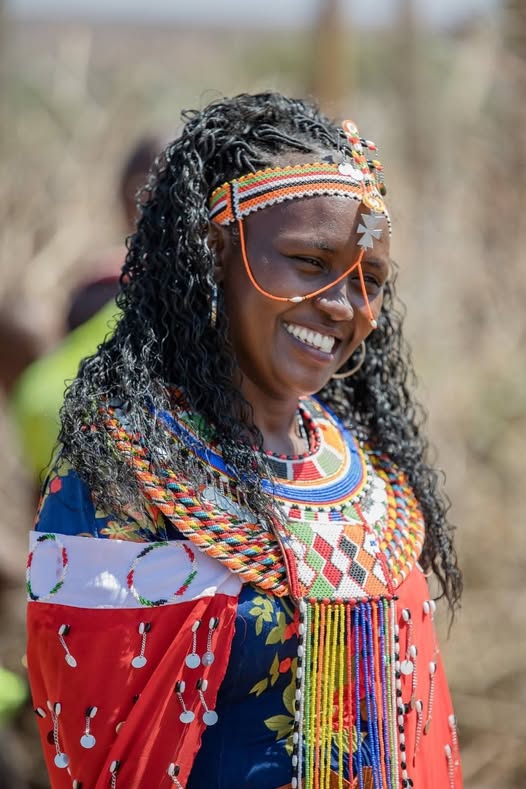
“Even when we are transferred, we often remain within Samburu. We cannot ignore challenges affecting children from our own communities.”
He says there are occasions when members are forced to use their own salaries to meet learners’ urgent needs whenever donor support is delayed.
Read more: Rearing hope: Nourishing a hungry world through sustainable agriculture
“To ease this burden, we appeal to more organisations and well-wishers to support this noble mission. Sometimes it is difficult to stretch our salaries to adequately meet the children’s needs,” she says.
Besides financial assistance, the organisation welcomes donations of school uniforms, books and other learning materials.
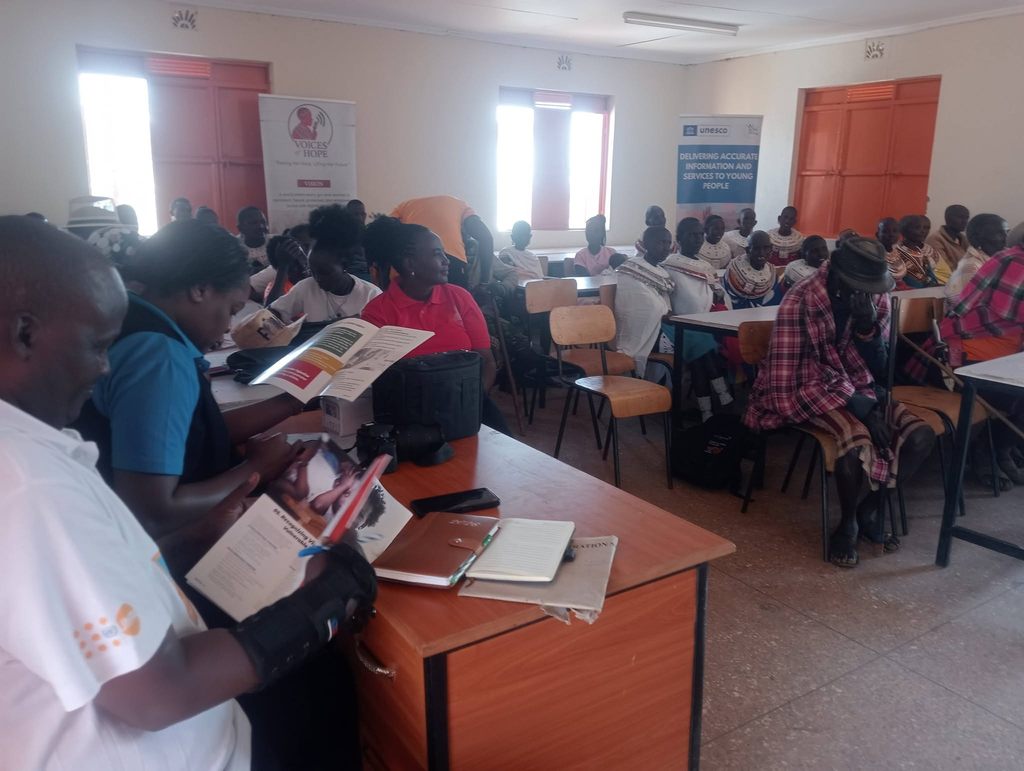
The teachers have, however, not received any financial grant so far.
Beyond Voices of Hope, Florence also runs another initiative known as Too Young to Wed, which focuses on educating girls about the dangers of early and forced marriage while encouraging them to pursue their education.
“Despite sustained campaigns by many organisations against child marriage in pastoral communities, the problem still persists,” she says.
“Although considerable progress has been made, much more needs to be done. That is why I continue to mentor girls and encourage them to pursue education instead of entering marriage before achieving their dreams.”
Read more: Kilifi women’s groups receive KSh12 million boost
She notes that Voices of Hope has also benefited from support and collaboration with the National Government Administration in Samburu East Sub-County.
Ultimately, Florence says the organisation’s vision extends beyond rescuing individual learners.
Their goal is to transform community attitudes by demonstrating that education is the surest path to opportunity and a better future.
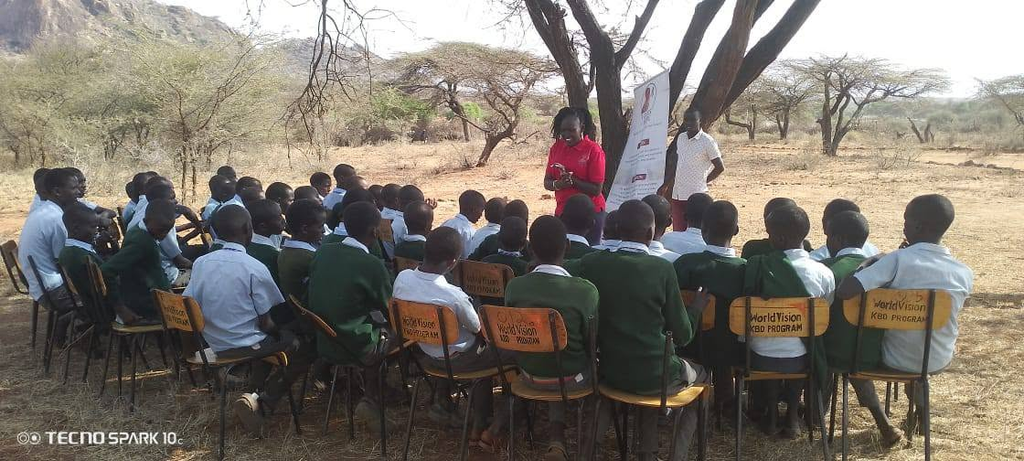


About the Author