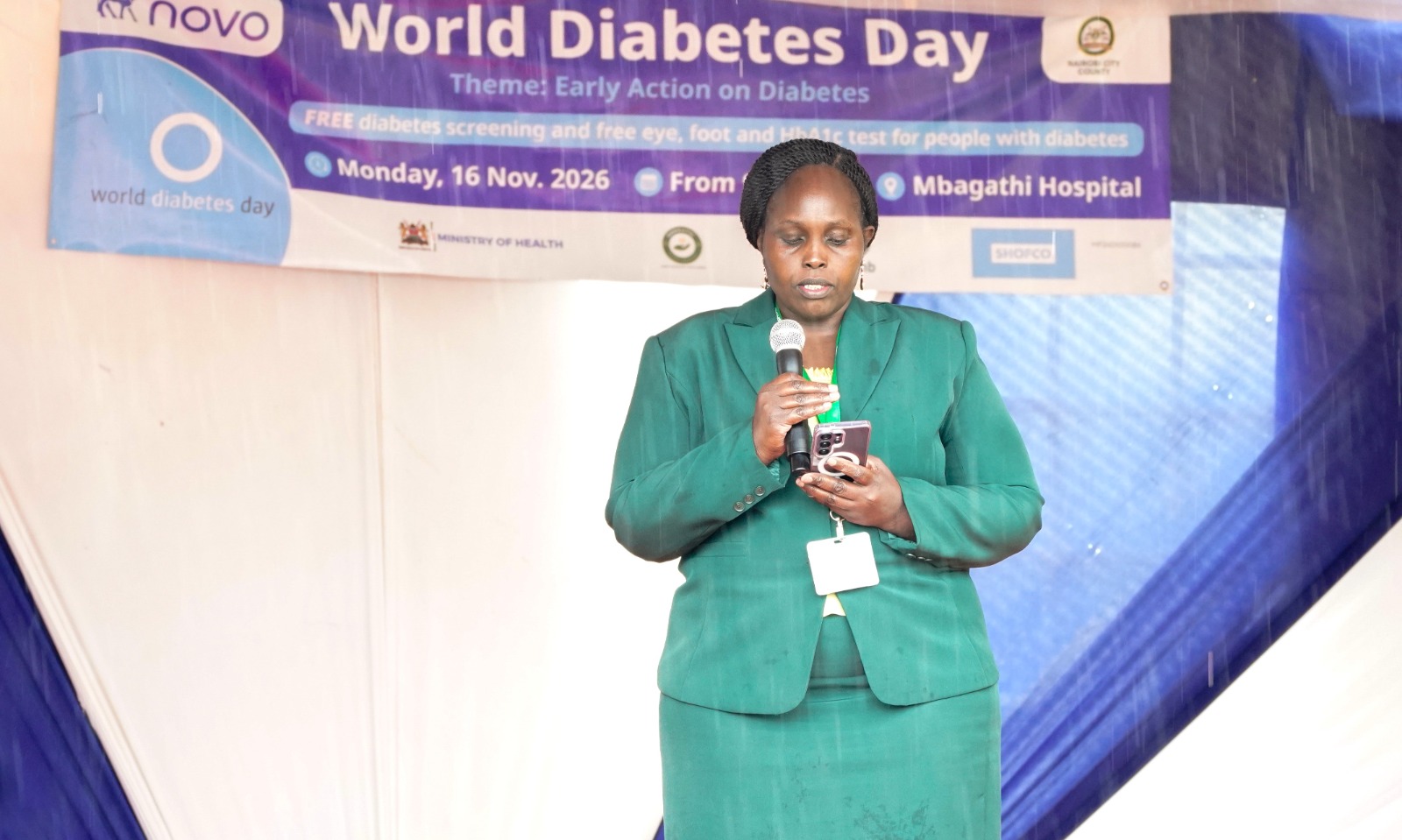
Dr Ericah Koima, Medical Superintendent at Mbagathi County Referral Hospital /HANDOUT
By Newsflash Reporter
Mbagathi County Referral Hospital has expanded its diabetes clinic services from two to five days a week in a move aimed at improving early diagnosis, treatment and management of the disease amid concerns over the growing number of undiagnosed cases in Kenya.
The expansion comes as health authorities and medical professionals intensify calls for regular screening, with more than half of the estimated 800,000 people living with diabetes in Kenya unaware of their condition.
The hospital announced the expanded services during World Diabetes Day celebrations held on Monday, November 16, 2026, where hundreds of community members accessed free screening and other health services.
The event, organised by Nairobi City County, Mbagathi Hospital and Novo under the theme ‘Early Action on Diabetes’, was expected to benefit up to 400 people.
Participants received free diabetes and hypertension screening, eye and foot examinations, HbA1c testing, HIV testing and tuberculosis screening.
The initiative also featured nutrition education, physical activity demonstrations led by a physiotherapist and discussions on diabetes prevention, diagnosis and management.
The expanded clinic, which operates through Mbagathi’s Centre for Driving Change in Diabetes, attends to approximately 250 to 300 patients every month.
Previously, diabetes services were offered through a combined clinic operating only two days weekly, limiting opportunities for patients seeking specialised care.
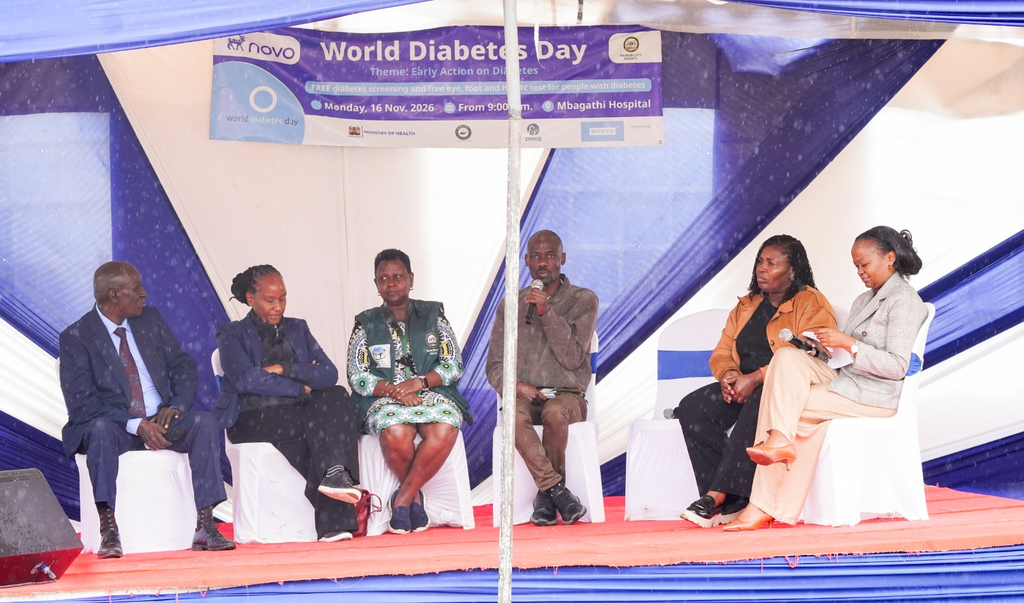
Panel discussion on diabetes awareness and management featuring (from left) Fred Momanyi, Dr Joyce Mbogo, Catherine Mugo Kibera, Eric Omondi, Dr Florence Keli and moderator Dr Stella Kisoi at Mbagathi County Referral Hospital /HANDOUT
Speaking during the event, Dr Erica Koima, Mbagathi Hospital Medical Superintendent, representing Chief Executive Officer Dr Alexander Irungu, said the dedicated clinic had significantly improved access to diabetes services.
She said patients could now access the services from Monday to Friday without necessarily booking appointments.
The facility also provides insulin support for eligible patients with Type 1 diabetes who are below 25 years.
“Behind every patient attended to is a life being supported, a family being given hope and a complication potentially being prevented,” Dr Koima said.
The expanded operating days are expected to make it easier for patients to receive regular medical attention, access treatment and seek professional guidance on managing the condition.
More than half of diabetes patients undiagnosed
Jakob Mollerup, General Manager of Novo Middle Africa, said the number of Kenyans living with diabetes without knowing their status remained a major concern, making early screening and diagnosis critical.
“More than 800,000 people in Kenya are living with diabetes, and more than half of them do not know it because they have not been diagnosed,” Mollerup said.
He said early diagnosis, timely treatment and access to quality healthcare were essential in preventing complications and improving the lives of people living with the condition.
Mollerup added that addressing diabetes required more than public awareness campaigns, calling for investment in trained healthcare professionals, accessible medical services and partnerships that support patients throughout their treatment journey.
Read more: New diabetes & weight-loss drugs enter Kenya
Through its iCARE programme, Novo has established more than 92 Centres for Driving Change across Kenya, including the facility at Mbagathi.
The programme has also supported the training of more than 3,500 healthcare professionals and helped over 6,100 people living with diabetes access affordable insulin.
Mollerup said sustained collaboration between county governments, the Ministry of Health, healthcare facilities, professional associations and communities was necessary to strengthen diabetes management.
Dr Moses Owino, Nairobi County Director of Medical Services, similarly emphasised the importance of maintaining screening and treatment initiatives beyond annual awareness campaigns.
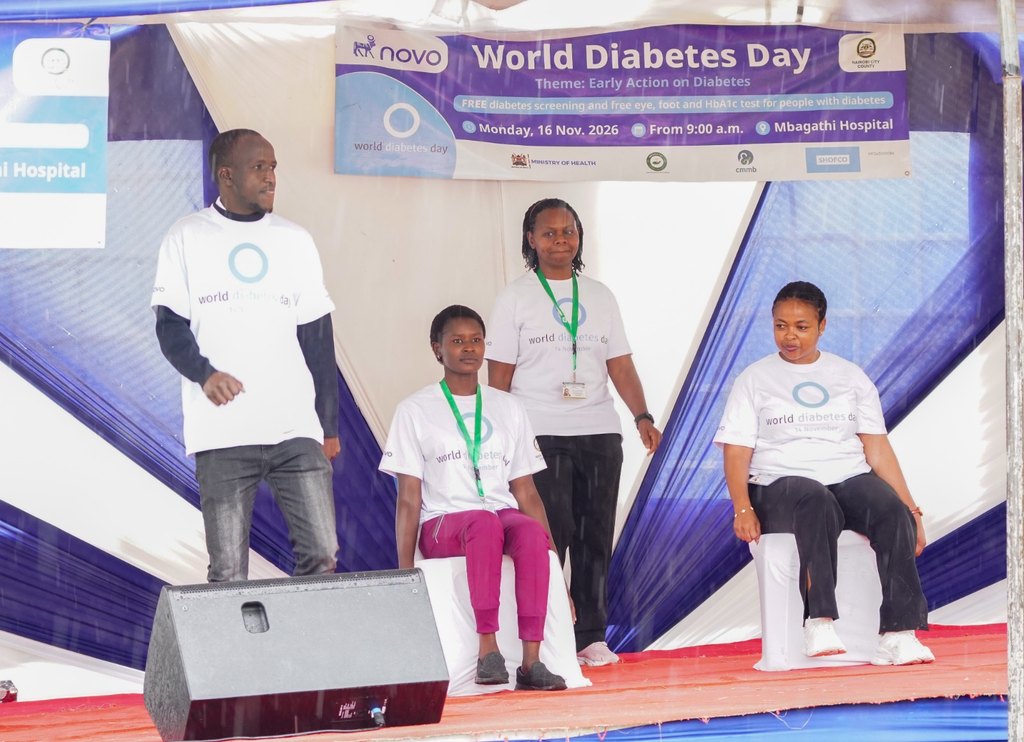
Physiotherapists guide members of the public through simple exercises they can practise at home to help regulate blood sugar levels, improve overall health and manage diabetes /HANDOUT
“Action must continue beyond a single event. We must encourage regular screening, promote healthier lifestyles and ensure patients receive continuous, patient-centred care,” Dr Owino said.
Patients urge Kenyans to know their status
People living with diabetes also used the event to encourage members of the public to undergo regular screening and remain committed to treatment.
Eric Omondi, who has lived with Type 1 diabetes for 23 years, said a diagnosis should not be viewed as the end of one’s ambitions or productive life.
“With the right information, treatment and support, people living with diabetes can lead fulfilling and productive lives,” he said.
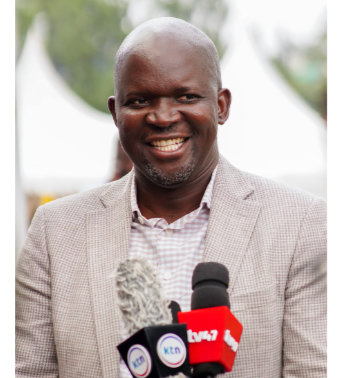
Dr Moses Owino, Nairobi County Director of Medical Services /HANDOUT
Fred Momanyi, who has managed Type 2 diabetes for 13 years, urged Kenyans to establish their status through regular medical checks, warning that many people could be living with the condition without knowing it.
Dr Florence Keli of the Kenya Diabetes Study Group encouraged people, particularly as they grow older, to have their blood sugar levels checked.
She also cautioned diagnosed patients against discontinuing prescribed medication, emphasising the importance of consistent treatment.
Medical professionals further advised participants to maintain healthy body weights, exercise regularly, stay hydrated and wear comfortable footwear during physical activities.
They encouraged people living with diabetes to examine their feet regularly for wounds, while noting that ordinary household activities such as mopping could contribute to physical exercise and help manage blood sugar levels.
Read more:Green Warriors lead health and environmental initiative in Thika
The partners said their focus would remain on strengthening community screening, improving access to treatment and ensuring continuity of care.
They emphasised that while knowing one’s diabetes status was the first step towards managing the disease, sustained medical support, patient education and regular engagement with healthcare providers were equally important.
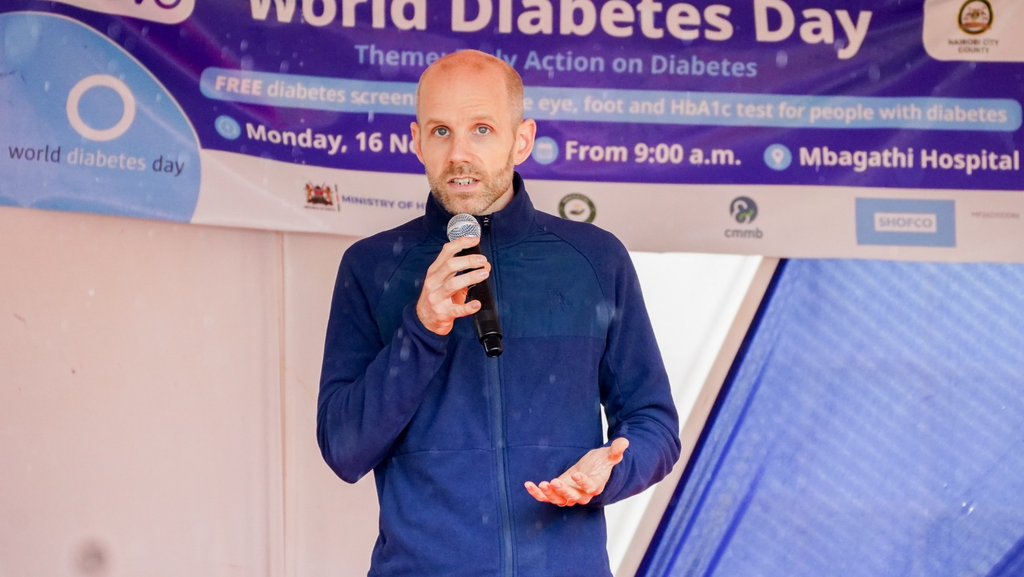
Jacob Mollerup, General Manager for Middle Africa at Novo /HANDOUT


About the Author