
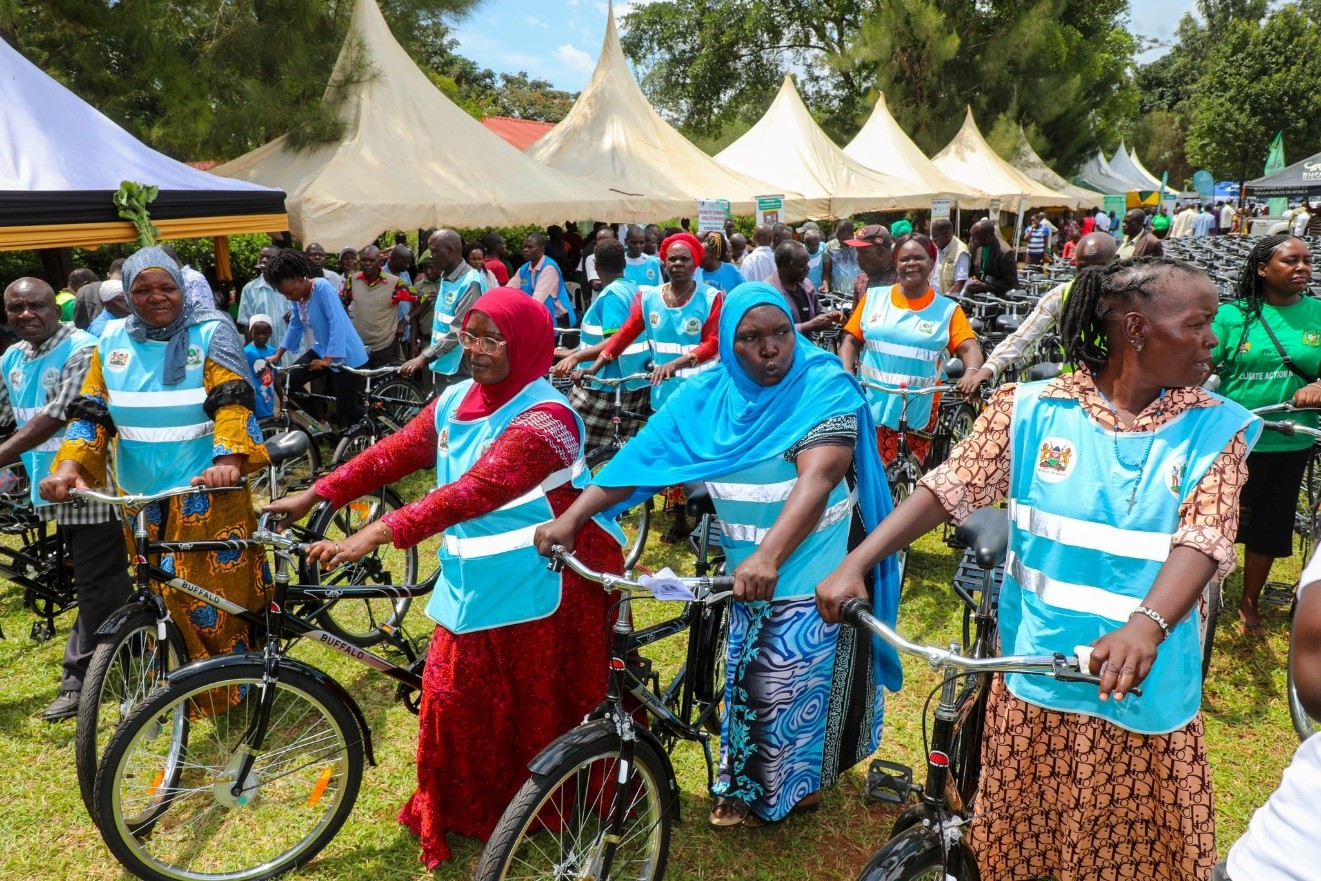
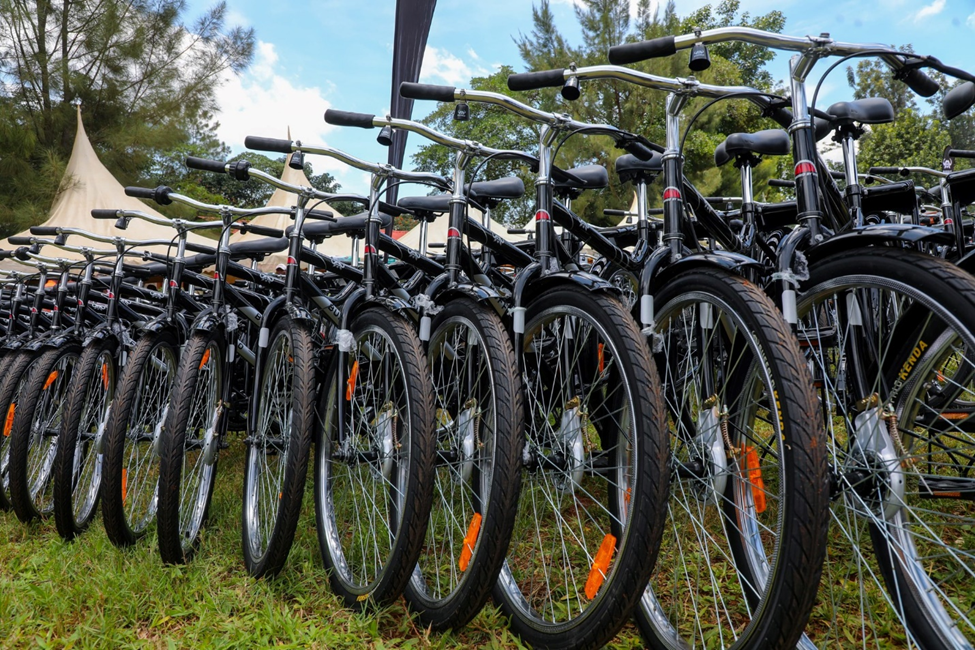
Women health workers proudly showcase their new bicycles, ready to reach more patients efficiently in remote areas, ensuring timely healthcare delivery. Photo/Courtesy
By Daisy Okiring
Sometimes, the most powerful solutions don’t come with an engine—they come with pedals.
For Mary Atieno, a community health promoter in the remote village of Shinyalu, this is no longer just a statement—it’s a reality. Until recently, Mary would spend hours walking along dusty footpaths to reach households in the most remote areas of Kakamega county.
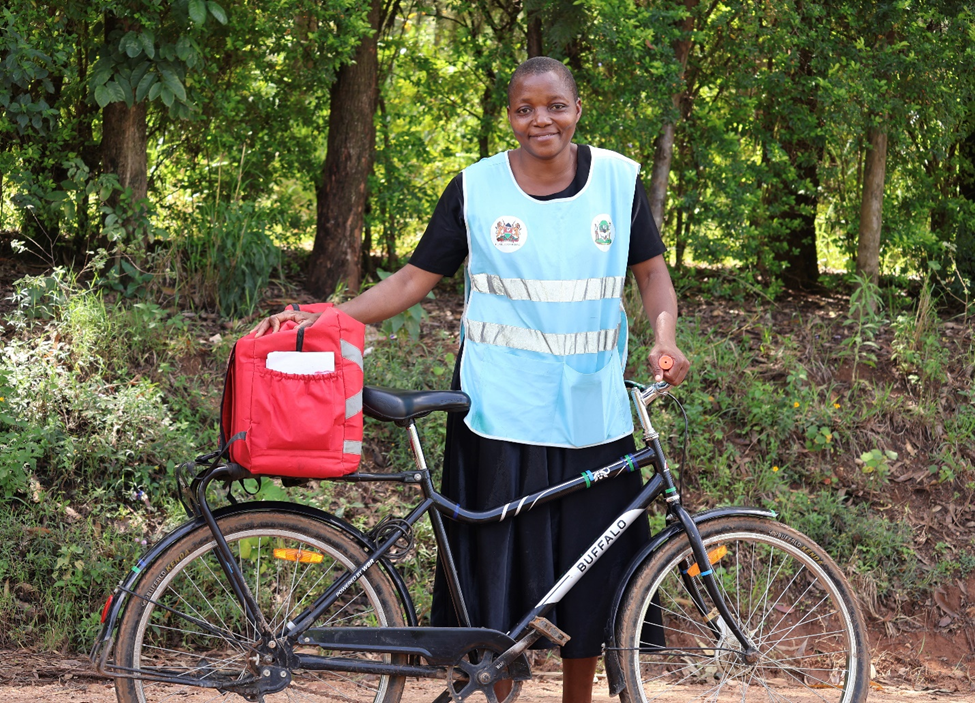
Armed with basic medical supplies and her unwavering commitment to serve, her pace was limited by distance, fatigue, and time. But now, with a sturdy Buffalo Bicycle beneath her, she pedals down trails that once wore down her soles, reaching more patients in less time, and saving lives more effectively than ever before.
In a groundbreaking effort to address rural mobility challenges and enhance public service delivery, Kakamega County, in partnership with World Bicycle Relief (WBR), has launched the largest rollout of Buffalo Bicycles in East Africa. This bold initiative equips frontline healthcare workers like Mary and environmental field officers with 1,500 purpose-built bicycles, paving the way for more efficient service delivery, economic empowerment, and environmental stewardship.
Scaling a simple solution for lasting impact
The rollout includes 1,000 Buffalo Bicycles purchased by the Kakamega County Government and 500 donated by World Bicycle Relief, signaling a new era of collaboration between local governments and development organizations. The bicycles are not just tools of transport; they are game-changers designed to deliver healthcare, protect natural resources, and connect underserved communities.
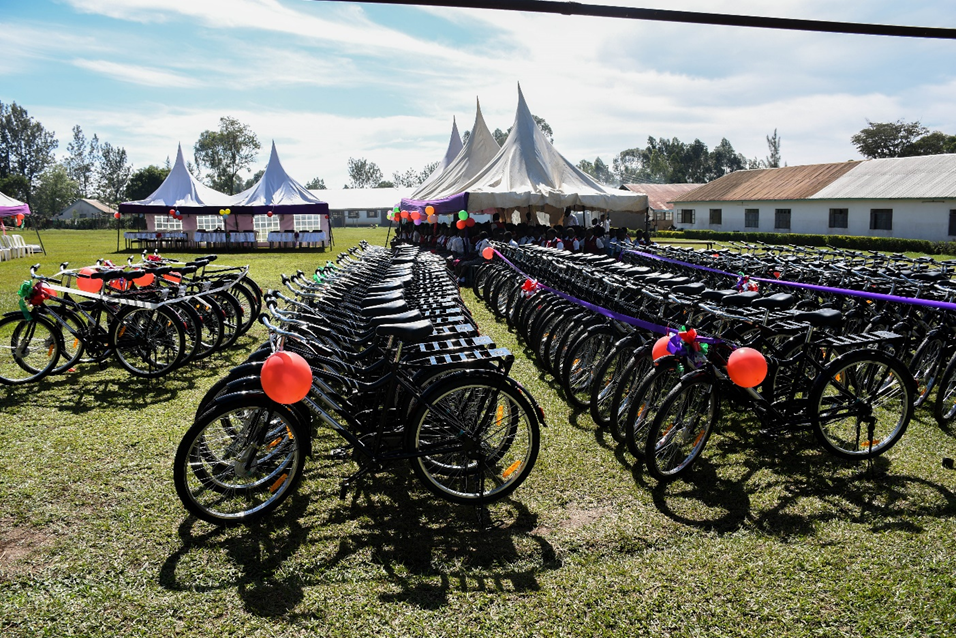
World Bicycle Relief, a global non-profit with operations in 13 countries, has been working in Kenya since 2010. To date, more than 77,000 Buffalo Bicycles have been distributed across Kenya, including over 19,000 to healthcare workers. Kakamega is the first county to partner at this scale, institutionalizing bicycles as an official part of public service delivery.
Read more:How bicycles are bridging gaps in Kenya’s rural areas
“Bicycles are a simple, scalable solution to address complex social challenges,” said Maureen Kalenyo, WBR’s Regional Director for East Africa. “We are excited to support Kakamega County as they become the first county in East Africa to integrate bicycles into public service programming at scale.”
Empowering frontline healthcare
In Kakamega, rural health workers are the backbone of community wellness, especially in areas with limited access to hospitals or clinics. These workers often cover vast distances on foot, delivering essential services such as maternal and child health support, vaccinations, family planning, and emergency response.
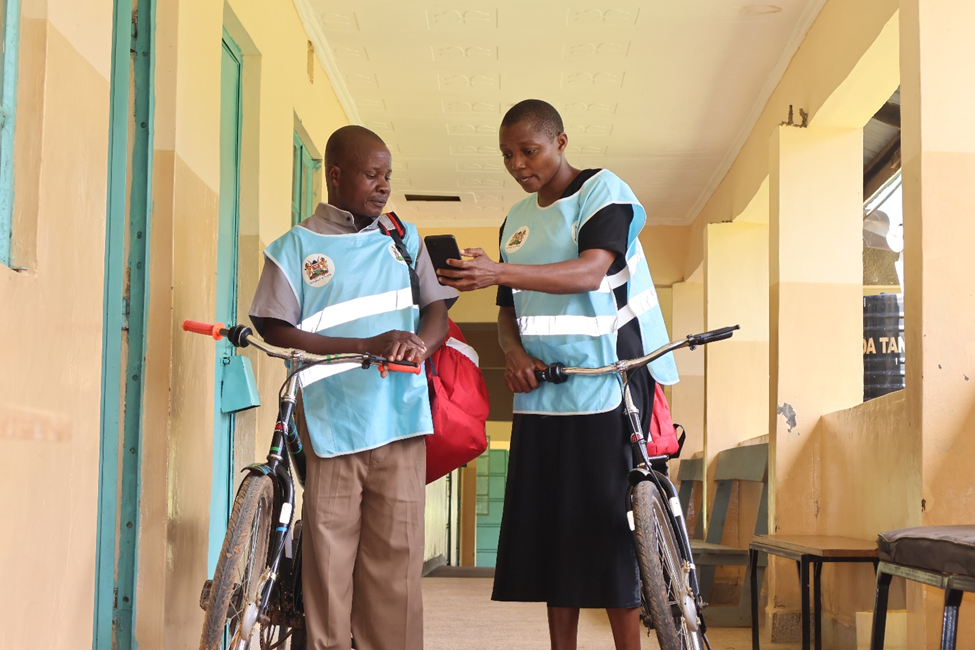
With the introduction of Buffalo Bicycles, community health promoters can now reach patients faster, carry more supplies, and reduce travel fatigue. Each bicycle is designed for rugged terrain and comes equipped with a sturdy frame, heavy-duty carrier, and reliable components that can endure harsh field conditions.
“This bicycle has reduced my travel time significantly,” said a community health promoter in Kakamega. “It helps me reach patients, attend meetings, and respond quickly to emergencies in my area of operation.”
The benefits of bicycle mobility are well-documented. Research by WBR shows that bicycle-equipped health workers can increase patient visits by up to 45%, improve health outcomes, and reduce absenteeism in service delivery. Additionally, more time spent with households enables health workers to conduct in-depth assessments and build stronger community relationships.
For a county with over 1.8 million people and expansive rural areas, the impact is both immediate and transformative. Faster response times, better access to maternal care, and increased immunization coverage are all within reach, thanks to the simple intervention of a bicycle.
Strengthening environmental conservation
The program is also making significant contributions to environmental conservation efforts, particularly around the Kakamega Forest, Kenya’s only tropical rainforest. The forest is a biodiversity hotspot and vital carbon sink, but it faces ongoing threats from illegal logging, human encroachment, and unsustainable resource use.
A portion of the bicycles is allocated to environmental field officers and forest rangers, who now have the mobility to patrol larger areas, engage more frequently with local communities, and respond swiftly to ecological threats.
“These bicycles strengthen our ability to respond swiftly to threats and also deepen our engagement with local communities around the forest,” said one environmental officer.
The use of pedal-powered transport also contributes to reducing greenhouse gas emissions associated with fuel-based transportation methods, reinforcing Kenya’s National Climate Change Action Plan and its broader commitment to sustainability under Vision 2030. With increased mobility, environmental officers can also enhance reforestation efforts, biodiversity protection, and public awareness campaigns.
Read more:Why more men are committing suicide in Kenya
This collaboration offers a blueprint for integrating conservation and mobility, showing that targeted investments in sustainable transport can deliver environmental benefits alongside service efficiency.
Boosting economic resilience
Beyond service delivery, the bicycle rollout is a powerful tool for economic development. For many rural Kenyans, especially women and youth, limited access to transport is a major barrier to income-generating opportunities, education, and market access.
Buffalo Bicycles help to eliminate this barrier. Health workers use them to reach more patients, while farmers and entrepreneurs use them to transport goods and reduce reliance on costly motorbikes or taxis. Students and families benefit from reliable, independent transport that improves school attendance and access to social services.
“By eliminating transportation costs, I can save between Ksh. 3,000 to Ksh. 4,000 per month and invest in improving my living standards,” said Bernadette, a Buffalo Bicycle customer and local businesswoman.
Savings at this scale are significant in rural households, where disposable income is often limited. When multiplied across hundreds or thousands of bicycle users, these savings create a ripple effect that can strengthen local economies, increase household resilience, and reduce dependency on public subsidies or aid.
WBR’s approach also supports long-term sustainability by creating a bicycle ecosystem that includes spare parts supply chains, locally trained mechanics, and retail outlets. In Kakamega, local youth are being trained as bicycle mechanics, creating new jobs and vocational pathways while ensuring that bicycles remain operational over time.
“Our ecosystem approach ensures that users have access to maintenance and support, which is critical for the longevity and effectiveness of Buffalo Bicycles,” said Maureen Kalenyo.
This model creates a virtuous cycle: bicycles boost productivity and access, while the supporting infrastructure builds local economies and self-reliance.
Policy innovation and county leadership
Kakamega’s decision to directly purchase 1,000 Buffalo Bicycles from World Bicycle Relief signals a forward-thinking approach to development—one that values simple, cost-effective interventions backed by data and impact.
“We are excited to be part of a groundbreaking program that leverages sustainable mobility to transform healthcare and environmental protection,” said a county government representative. “This partnership showcases how county governments and development organizations can collaborate to serve communities more effectively.”
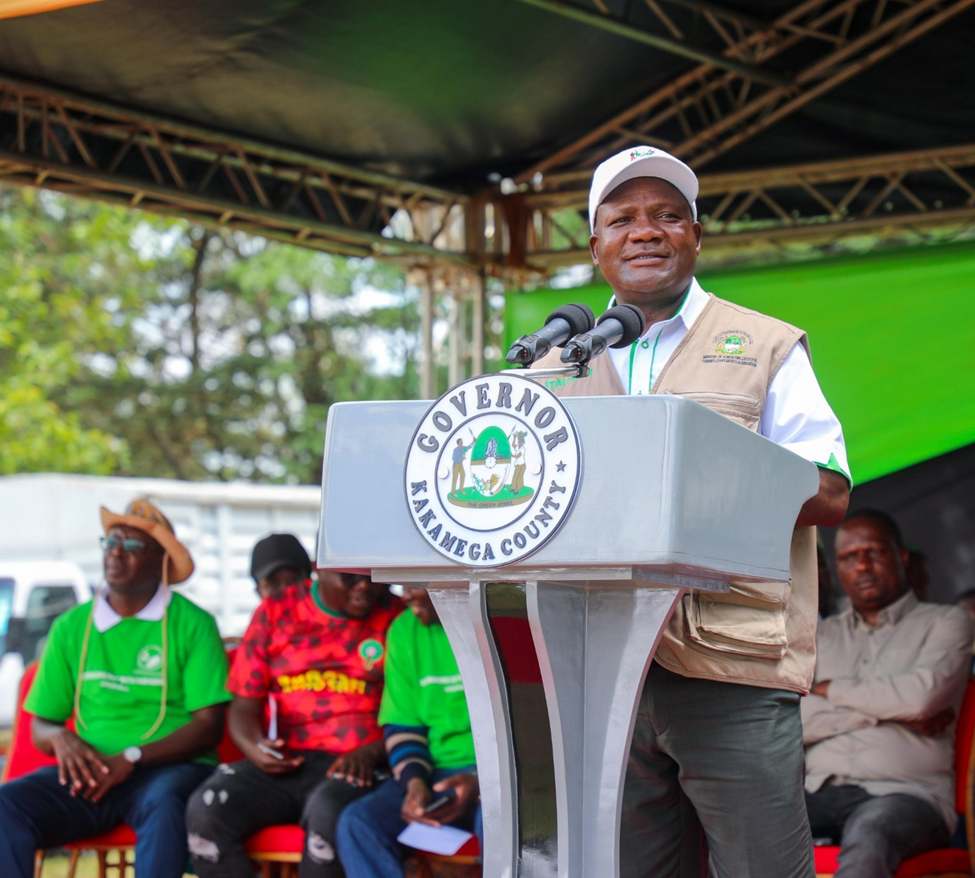
The move positions Kakamega as a leader in policy innovation, with the potential to inspire other counties and national agencies to consider bicycles as a legitimate tool for public service delivery. The program also supports multiple Sustainable Development Goals (SDGs), including:
- Goal 3: Good Health and Well-Being
- Goal 13: Climate Action
- Goal 5: Gender Equality
- Goal 8: Decent Work and Economic Growth
- Goal 11: Sustainable Cities and Communities
Furthermore, the initiative reinforces the principles of Kenya’s Big Four Agenda, particularly in health and manufacturing, by fostering local skills development and enhancing access to essential services.
A National model for scalable impact
As Kenya continues its journey toward universal health coverage and climate resilience, the Kakamega-WBR partnership offers a compelling model for scale. With proven benefits in health, conservation, and economic development, bicycles may soon become a staple in public sector logistics—particularly in rural and underserved regions.
The success of this project demonstrates that impactful solutions need not be expensive or complex. Sometimes, all it takes is the right partnership, community buy-in, and a bicycle designed to endure the journey.
“Partnerships with World Bicycle Relief represent an opportunity to create long-term, scalable impact for underserved communities,” concluded Maureen Kalenyo.
Read more:Reclaiming the Green: One million trees for Kilifi’s future
In a world where development often chases high-tech answers, Kakamega’s investment in pedal-powered mobility is a refreshing reminder that simple solutions, when executed well, can transform lives.
As the wheels begin to turn across Kakamega County, the message is clear: mobility is not a luxury—it is a right, a lifeline, and a catalyst for progress.


About the Author




1 thought on “Kakamega launches East Africa’s largest Bicycle Mobility Program”
Comments are closed.