A photo of journalists who won different media categories the IGAD Media Awards held on November 30, 2025, Addis Ababa, Ethiopia. Photo/IGAD
By Newsflash Writer
The Intergovernmental Authority on Development (IGAD) has honoured outstanding journalists from across the Horn of Africa whose compelling stories, investigations, and digital innovations are shaping public understanding of climate change and driving action in some of the world’s most vulnerable communities.
At the 2025 IGAD Media Awards ceremony, held alongside the regional organisation’s climate and resilience week, journalists from Kenya, Uganda, Ethiopia, Somalia, Djibouti, South Sudan and Sudan were celebrated for exceptional storytelling that highlights both the escalating climate crisis and the ingenuity of communities fighting back.
The awards — now a flagship platform for regional excellence — recognise work across eight categories: Television, Radio, Print, Digital Media, Photography, Influencer of the Year, Gender-Responsive Media, Indigenous Language Reporting, and Upcoming Media Personality. This year’s theme placed climate change at the centre, showcasing how local journalists are reframing the narrative from despair to resilience.
Community solutions highlighted
In the Television Journalism category, Kenya’s Ledama Masidza emerged a top honoree for “Echoes of the Earth: How Kenya’s vibrant communities are thriving amid climate change.” His feature captured innovative community responses — from water harvesting to regenerative farming — illustrating how climate adaptation is taking root at grassroots level.
Somalia’s Mohamed Nur Mohamad was also recognised for his coverage of the Horn of Africa Peace Conference in Nairobi, which linked climate pressures to conflict dynamics in the region. His report highlighted how environmental degradation continues to fuel instability, displacements, and resource-based tensions.
Read more:IGAD warns Sudan risks ‘de facto disintegration’
Radio journalists who brought powerful audio narratives to life were also feted. Kenya’s Steve Mokaya Ondieki won admiration for documenting how Maasai women are countering drought through beekeeping — a livelihood that is not only climate-resilient but empowering to women affected by recurrent environmental shocks.
Uganda’s Michael Wambi, through “A Hungry IGAD,” explored how climate change is threatening the region’s food system and offered critical insights into the policy and community-level interventions needed to safeguard food security.
Grassroots innovation
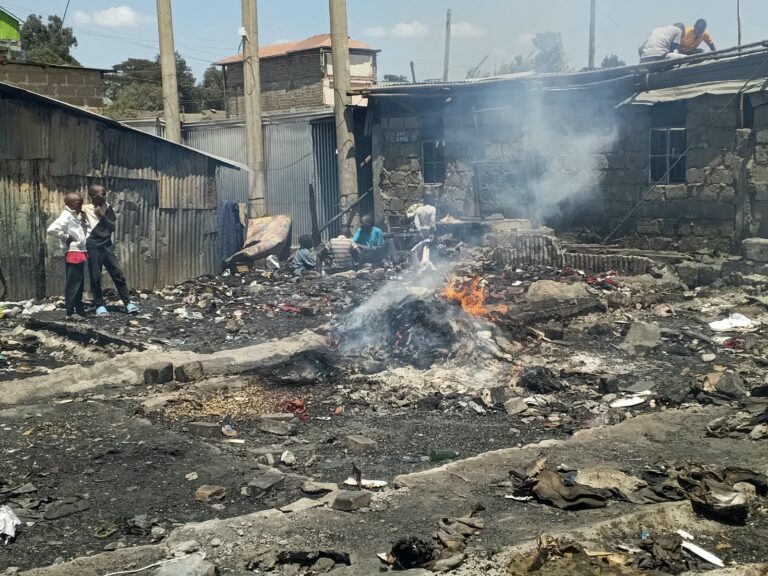
Kenya’s Maryann Anyango Muganda was celebrated in the Print category for her inspiring story “How Kibra youth are turning trash into treasure.” Her reporting showed how young people are converting waste into usable goods, reducing pollution while earning income.
From Uganda, Ambrose Okwanga shed light on climate-smart agriculture through his feature on progressive farming methods that are transforming rural livelihoods in northern Uganda. The piece underscored how smallholder farming communities are adopting sustainable models to survive erratic weather patterns.

In the Digital Media category, Ethiopia’s Getnet Shenkute Menguesha was recognised for “Climate Intelligence for Survival,” a deep dive into IGAD’s push for accurate climate data to help governments better predict and mitigate climate risks. South Sudan’s Gabriel Gatluak Wal Ket received honours for multimedia storytelling that framed climate resilience as a source of hope and renewal.
Read more:AU, IGAD and Kenya call for calm in South Sudan
Photography awards spotlighted dramatic images documenting extreme weather. Somalia’s Abdirahman Salad Abdulle captured the devastation of sudden floods in Mogadishu, while Kenya’s Andrew Ngea Kasuku photographed a man swimming through a submerged church compound after River Tana burst its banks — a stark reminder of rising climate disasters.
This year’s Gender-Responsive Media Award celebrated journalists who amplify women’s climate struggles and solutions. Uganda’s Cinderella Ayebare won for her feature on how Karamoja communities are reframing girls’ education amid drought. Kenya’s Jamila Mohamed Abdullahi showcased Mandera’s emerging green revolution, where women and communities are rebuilding livelihoods through climate-smart innovations.
The Indigenous Language Reporting category honoured journalism that bridges accessibility gaps. Sudan’s Hipa Abdalazeem Muhammad Salih and Ethiopia’s Shimeket Legese Wolde were celebrated for storytelling in Arabic and Oromo, respectively — preserving local voices and expanding climate dialogue to wider audiences.
New voices and lifetime impact recognised
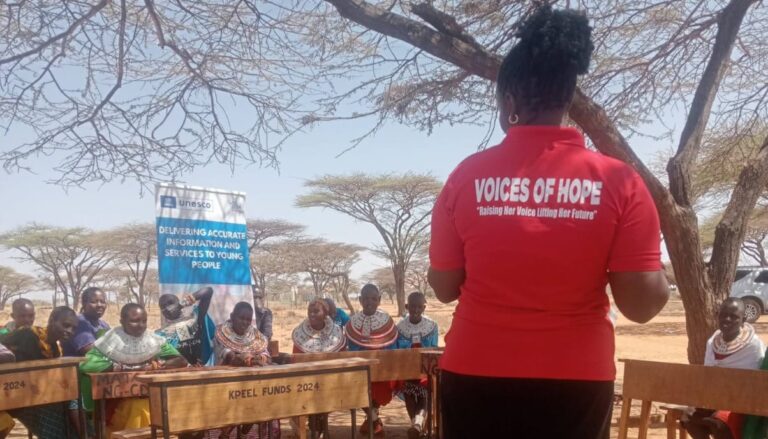
Kenyan storytellers dominated the Upcoming Media Personality category, with Bonface Barasa Wanyonnyi recognised for highlighting Samburu women embracing tree-growing after devastating drought killed their livestock. Annasstacia Warueno Kiragu was equally feted for her story “Hope in the Dumps,” portraying resilience in unlikely places.
In the Influencer of the Year category, Djibouti’s Amina Idan Paul used her platforms to engage citizens on the outcomes of COP29, while Somalia’s Ahmed Mohamed Absie was honoured for establishing GMI — Somalia’s first green media platform promoting climate action.
Read more: IGAD urges institutionalised youth role in peace processes
The ceremony closed with a touching Lifetime Achievement tribute to Sudan’s veteran journalist Faisal Mohamed Salih and Ethiopia’s Maeza Birru Gebrewold for decades of groundbreaking journalism and public service.
In celebrating these journalists, IGAD reaffirmed the pivotal role of media in shaping climate action across the Horn of Africa. The 2025 honorees exemplify how powerful storytelling — whether through images, audio, film, or print — can galvanise communities, influence policy, and spark behavioural change.
As the region continues to grapple with floods, droughts, food insecurity and conflict amplified by climate change, IGAD hopes these awards will inspire more journalists to pursue impactful, solutions-driven climate reporting — ensuring that the stories that matter most are told, shared and acted upon.


About the Author