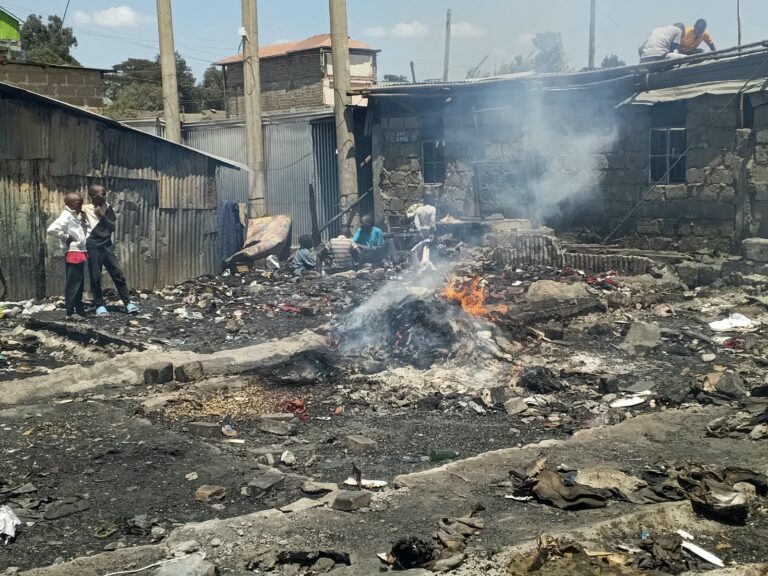
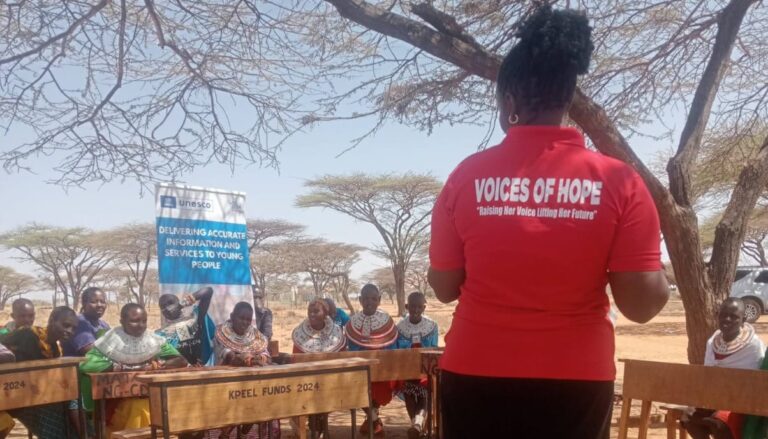
The African Ministerial Conference on the Environment (AMCEN) kicks off in Nairobi, ON Monday, 14 July, 2025. Photo/Greenpeace Africa
By Newsflash Reporter
NAIROBI, July 14 – As the 20th session of the African Minister Conference on the Environment (AMCEN) kicks off in Nairobi, Greenpeace Africa is calling on ministers from across the continent to demonstrate bold and unified leadership on some of the most pressing environmental challenges facing Africa and the world.
Held against the backdrop of worsening plastic pollution, climate injustice, and rampant deforestation, this year’s AMCEN comes at a defining moment. Ministers from all 54 African countries are expected to articulate and align Africa’s collective environmental stance ahead of major upcoming global meetings such as the UN Global Plastics Treaty negotiations in Geneva (INC-5.2), CO30, and UNEA 7.
Call to uphold commitments on plastics
One of the key issues Greenpeace Africa has flagged is the need for ministers to stay committed to the continent’s strong position on the Global Plastics Treaty. In previous AMCEN decisions, particularly AMCEN 19/2, African ministers endorsed a legally binding treaty that addresses plastic pollution across its entire lifecycle—including production, consumption, and waste management.
Greenpeace Africa warns against backpedaling under pressure from powerful plastics and fossil fuel lobbies. According to Hellen Dena, Project Lead of the Pan African Plastic Project, African communities—especially those in lower-income areas—are disproportionately impacted by plastic pollution.
Read more: How construction projects are choking Nairobi’s environment
“The plastic crisis is not just about litter,” Dena said. “It’s about open burning in informal settlements, illegal dumping, and the invisible threat of microplastics and toxic chemicals that harm our health. Africa must stand firm and lead the call for production caps and a comprehensive treaty that prioritizes people and planet over profit.”
Polluters must pay for the climate crisis
Greenpeace Africa is also urging AMCEN ministers to rally around a strong “polluter pays” principle. This call comes amid fresh polling data from a joint Greenpeace-Oxfam study showing overwhelming support across the continent for holding fossil fuel companies accountable. The survey, covering 13 African countries, found that 81% of respondents back taxing oil and gas corporations to fund climate recovery efforts. In Kenya, support was even higher, at 85%.
Read more: Amara Realty: Rebuilding the trust in real estate sector

Sherelee Odayar, an Oil and Gas Campaigner with Greenpeace Africa, emphasized the justice aspect of climate reparations.
“For decades, fossil fuel giants have reaped profits while African communities suffer floods, droughts, and food insecurity,” Odayar said. “AMCEN must not shy away from advocating that these corporations pay for the damage they caused. This is not just good policy—it’s a matter of justice.”
Forest protection
The third pillar of Greenpeace Africa’s call to action at AMCEN is forest conservation—with a strong emphasis on Indigenous Peoples and Local Communities (IPLCs). According to Dr. Lamfu Yengong, Greenpeace Africa’s Lead Forest Campaigner, Africa’s forests are under siege, while the very communities that have protected them for generations remain excluded from key decisions and funding.
“Every year, we lose hundreds of thousands of hectares of forest cover to logging, mining, and agricultural expansion,” Dr. Yengong warned. “AMCEN must shift the paradigm by ensuring that IPLCs receive direct financing and formal recognition of their rights. They are the true custodians of biodiversity and climate resilience.”
Defining moment for African unity
The outcome of AMCEN 20 is expected to significantly shape Africa’s negotiating positions at global forums in the coming months. Greenpeace Africa is urging ministers to adopt positions that reflect the aspirations and realities of African people—particularly the youth, rural communities, and marginalized groups that bear the brunt of environmental degradation.
Read more: How communities are protecting sacred environmental resources
Koaile Monaheng, Pan African Political Strategist at Greenpeace Africa, summed up the stakes: “Africa’s strength lies in its unity. The world is watching. We need leaders who act with courage and conviction, not caution or compromise. The people of Africa are demanding action—and AMCEN must deliver.”
As the ministers deliberate over the next few days in Nairobi, environmental advocates and civil society groups will be watching closely to see whether the conference produces actionable resolutions that push back against industry influence and affirm Africa’s leadership in global environmental governance.


About the Author