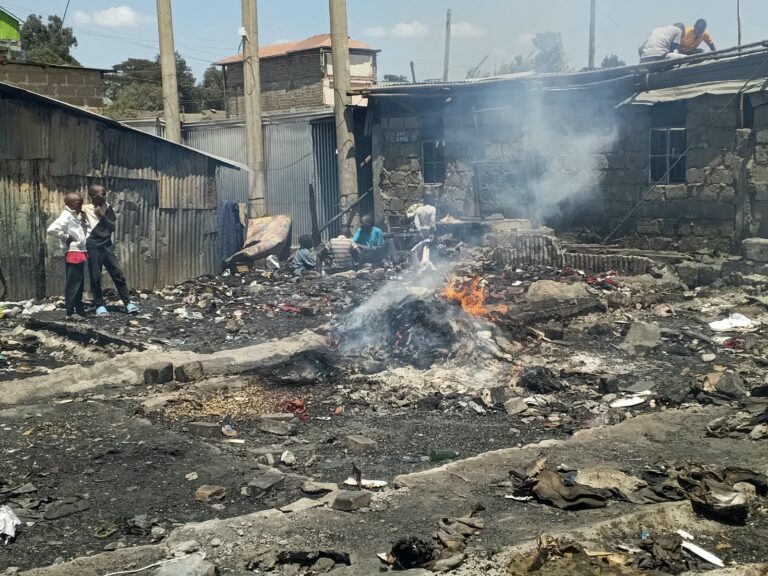
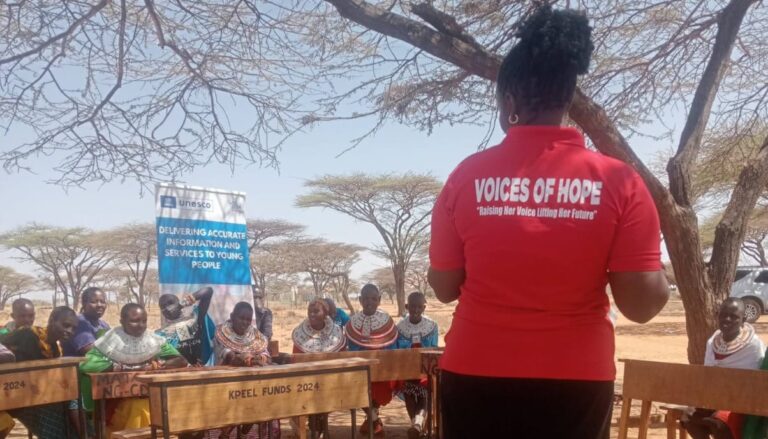
African civil society delegates rally at INC-5 talks for a strong plastics treaty. (Photo/Courtesy).
By Daisy Okiring
Nairobi, Kenya, 29th July 2025: As global negotiations on the much-anticipated Global Plastics Treaty resume, African civil society organisations are making a renewed and urgent call for binding international action to curb plastic pollution. During a virtual media briefing on July 24, hosted by GAIA Africa, environmental leaders stressed the importance of bold commitments from negotiators while urging journalists to play a more prominent role in amplifying Africa’s unified position on the global stage.
With the fifth session of the Intergovernmental Negotiating Committee (INC-5.2) underway, African activists say the moment presents a once-in-a-generation opportunity to address the escalating plastic pollution crisis that continues to threaten human health, biodiversity, and environmental justice across the continent. The Global Plastics Treaty, once finalised, is expected to become the first legally binding international agreement focused specifically on plastic pollution, addressing everything from the sourcing of raw materials to waste management and disposal.
Speaking at the briefing, Merrisa Naidoo, Plastics Programme Manager at GAIA Africa, said African countries have both the experience and the momentum to influence meaningful change but need greater support and political will to translate words into action. She called on the media to become allies in the effort. “We have the evidence, we have the momentum—what we’re missing is the commitment to act,” Naidoo stated.
Civil societies rally behind treaty targeting full plastics lifecycle
African negotiators, guided by the African Ministerial Conference on the Environment (AMCEN) Decision 19/2, have a strong, unified mandate that promotes a life-cycle approach to plastic regulation. This approach urges negotiators to target plastic pollution from its very origins—production and design—through to its eventual disposal, with a firm focus on preventing harm to both people and the environment.
Speakers from across the continent described the impacts of plastic pollution in their home countries. In Ethiopia, Eskedar Awgichew of EcoJustice warned of the rapid expansion of petrochemical plants linked to plastic manufacturing, which are already having toxic effects on communities. She described plastic as a form of environmental injustice that starts at the production level and ends in harm for vulnerable populations.
Also Read: Nakuru’s air quality crisis: Quarry operations spark health concerns
In Kenya, Dorothy Otieno from the Centre for Environment Justice and Development (CEJAD) raised concerns about the chemical content in plastic products and their long-term health effects, especially on children. Otieno emphasized that the treaty represents a vital opportunity for Africa to protect its food systems, water sources, and public health infrastructure from irreversible harm.
Civil society groups are particularly calling for the phasing out of harmful chemicals in plastic production, the reduction of global plastic manufacturing at its source, and the creation of a financial mechanism that supports implementation across developing nations. These measures, they argue, are not optional but essential for ensuring that the treaty delivers real impact.
Journalists called to spotlight Africa’s leadership in negotiations
One of the central messages of the briefing was the need for African journalists to elevate the continent’s voice in the treaty discussions. By sharing community stories and highlighting Africa’s proactive leadership, the media can play a critical role in holding negotiators accountable and ensuring the continent’s interests are not sidelined in a treaty that will affect future generations.
GAIA, a global alliance comprising over 1,000 grassroots groups in more than 90 countries, has consistently called for environmental and social justice within the treaty process. The organisation sees the negotiations not only as a policy milestone but as a moral imperative to reshape the way the world produces, consumes, and manages plastic.
Also Read: Climate resilience: The inspiring story of Salina Chepsat’s solar-powered farm
For African civil society, the message is loud and clear: the time to act is now, and the world must not waste this historic opportunity to craft a solution that is fair, inclusive, and capable of lasting change.
Momentum for the treaty began in March 2022, when the United Nations Environment Assembly passed Resolution 5/14 to begin formal negotiations. Unlike national policies, the treaty aims to address cross-border pollution and plastic waste trading, global problems that no single country can solve in isolation.


About the Author