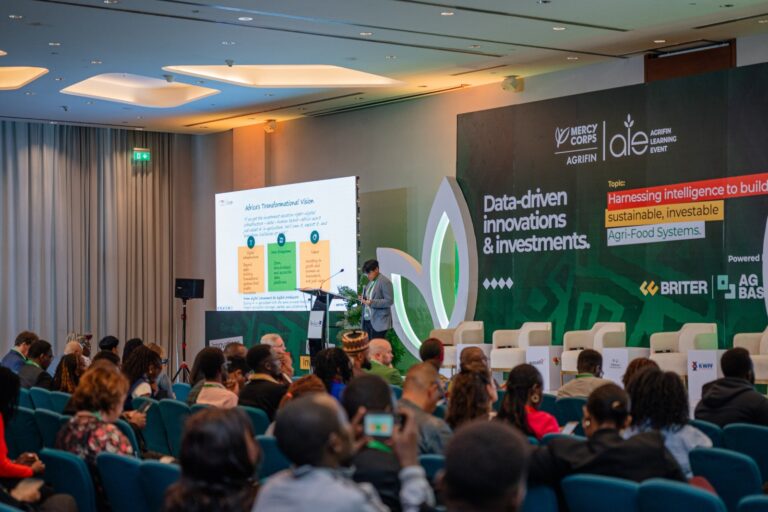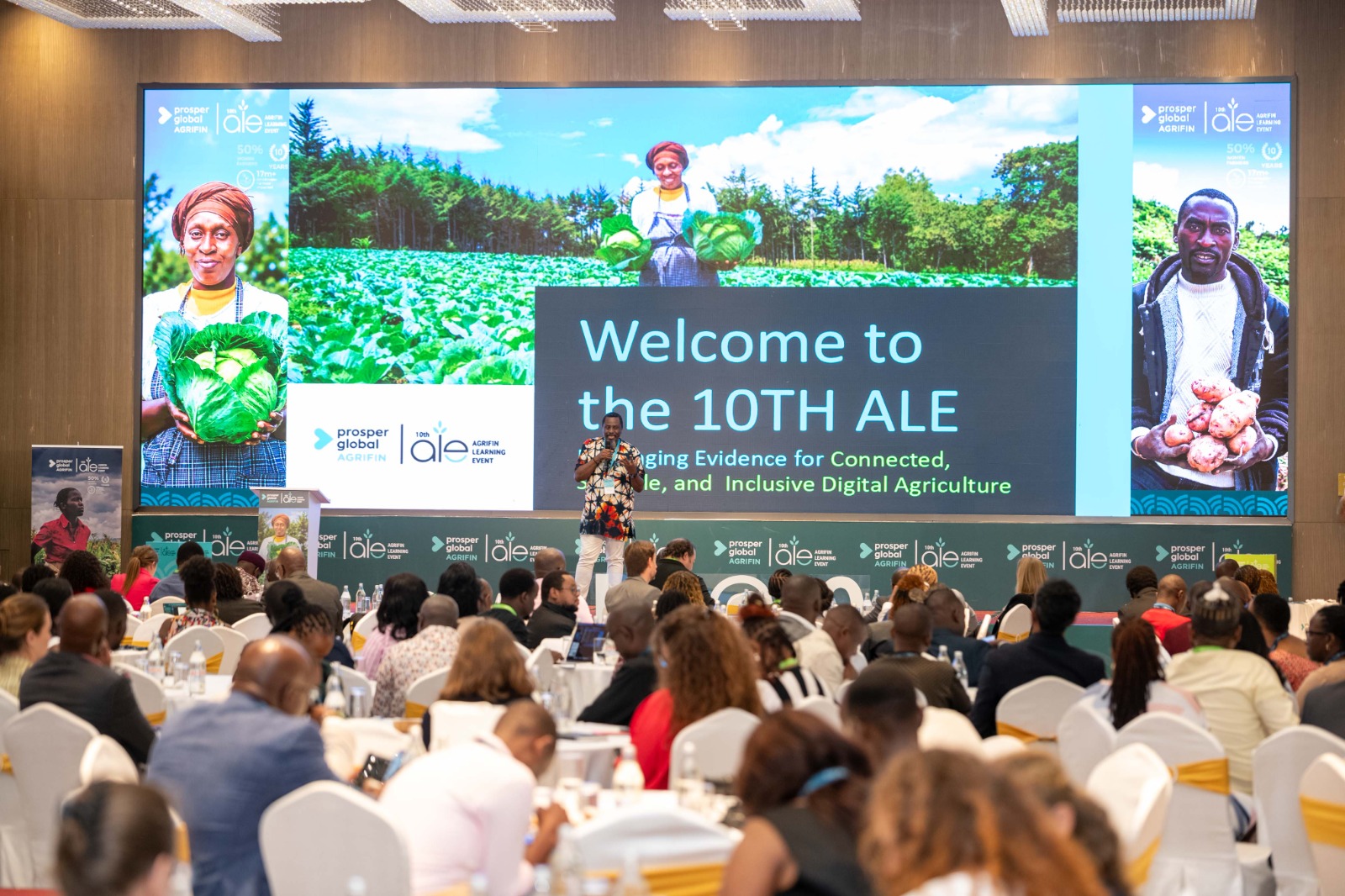
Participants at the 10th AgriFin Learning Event in Nairobi /HANDOUT
By Newsflash Writer
Africa’s digital agriculture sector must move away from short-term donor-funded projects and develop sustainable financing models capable of keeping proven solutions running and expanding their reach to millions of smallholder farmers.
Experts at the 10th AgriFin Learning Event in Nairobi on Tuesday said the tightening of development funding was forcing stakeholders to rethink how digital agricultural services are financed, delivered and sustained.
The one-day forum, convened by Prosper Global AgriFin, formerly Mercy Corps AgriFin, brought together policymakers, development partners, financial institutions, researchers, agribusinesses, technology innovators and farmer representatives to examine how evidence can guide the next phase of digital agriculture.
The event was held under the theme, “Leveraging Evidence for Connected, Scalable and Inclusive Digital Agriculture.”
Melaku Yirga, Vice President – Africa at Prosper Global, said the sector had accumulated valuable lessons from years of testing digital solutions and partnerships.
“We’ve spent years testing ideas, building partnerships and learning what works. So the real question now is: how do we turn all of that into systems that can actually last and scale?” he said.
AgriFin, established in 2012, has focused on using digital technology, particularly mobile phones, to improve smallholder farmers’ access to financial and agricultural information services.
The programme has since expanded its work across Kenya, Ethiopia, Nigeria, Tanzania and Uganda, reaching more than 8.5 million farmers through digital information services against an initial target of five million.
Women account for 41 per cent of those reached.
Push for sustainable investment
Prosper Global AgriFin Program Director Sieka Gatabaki said digital technology could help reduce some of the risks that have traditionally discouraged investment in smallholder agriculture.
“We must incentivize farmers to adopt these digital tools like mobile money that holds key to broadening their revenue streams,” Gatabaki said.
He said artificial intelligence and mobile platforms could help farmers access information on weather patterns, agricultural practices and sources of capital while improving financial inclusion in rural areas.
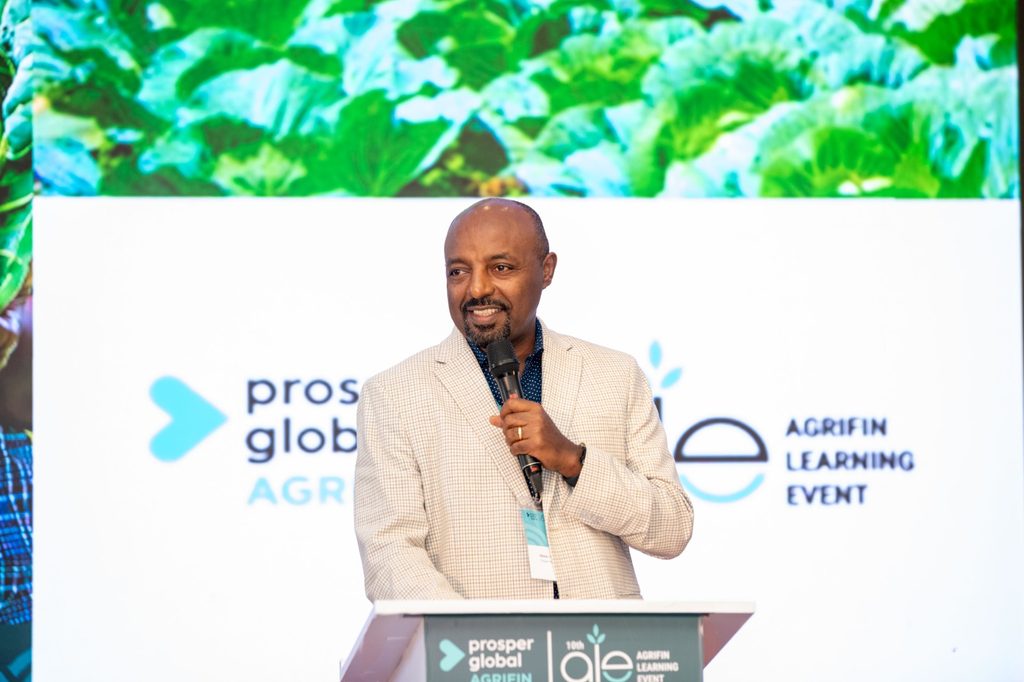
However, Gatabaki noted that unpredictable weather, inadequate infrastructure, digital exclusion and the high cost of reaching individual farmers continued to make agricultural investment risky.
He said digital technologies could help address some of these challenges by improving weather forecasting, agricultural advice and access to financial services.
Read more: Kagwe demands 10% budget for agriculture
But participants cautioned that technology alone would not guarantee sustainability, arguing that digital solutions must be supported by reliable infrastructure, trusted local relationships, affordable services and financing models that make commercial sense.
Jasmina Lipovic, Global Finance Operations & Compliance Director at Prosper Global AgriFin, said the completion of a programme should not result in the collapse of the services and relationships developed under it.
“This is a transition, not an endpoint,” she said.
Lipovic said AgriFin had developed relationships with banks, agribusinesses and technology companies to help ensure digital services continued reaching farmers beyond initial funding periods.
She said the organisation was also strengthening strategic partnerships and diversifying its programming and funding sources in response to a more constrained funding environment.
Elias Nure, Global Digital Climate Smart Agriculture Director at Prosper Global AgriFin, called for stronger public-private partnerships to connect farmers with government resources, data and information.
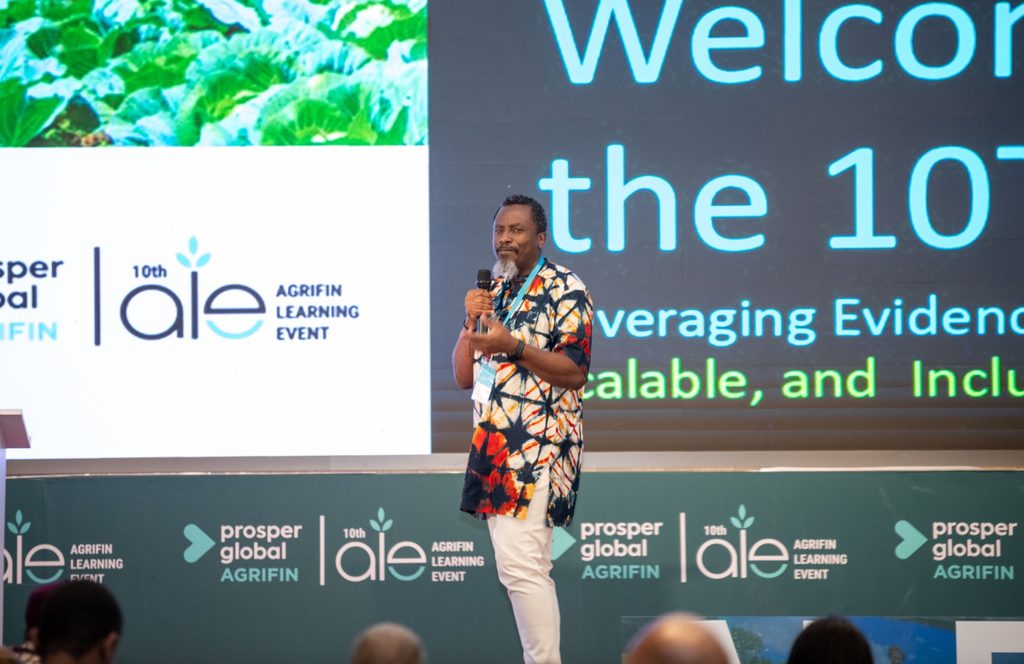
Participants said such partnerships could help reduce duplication, strengthen delivery systems and build on existing trust between farmers, service providers and institutions.
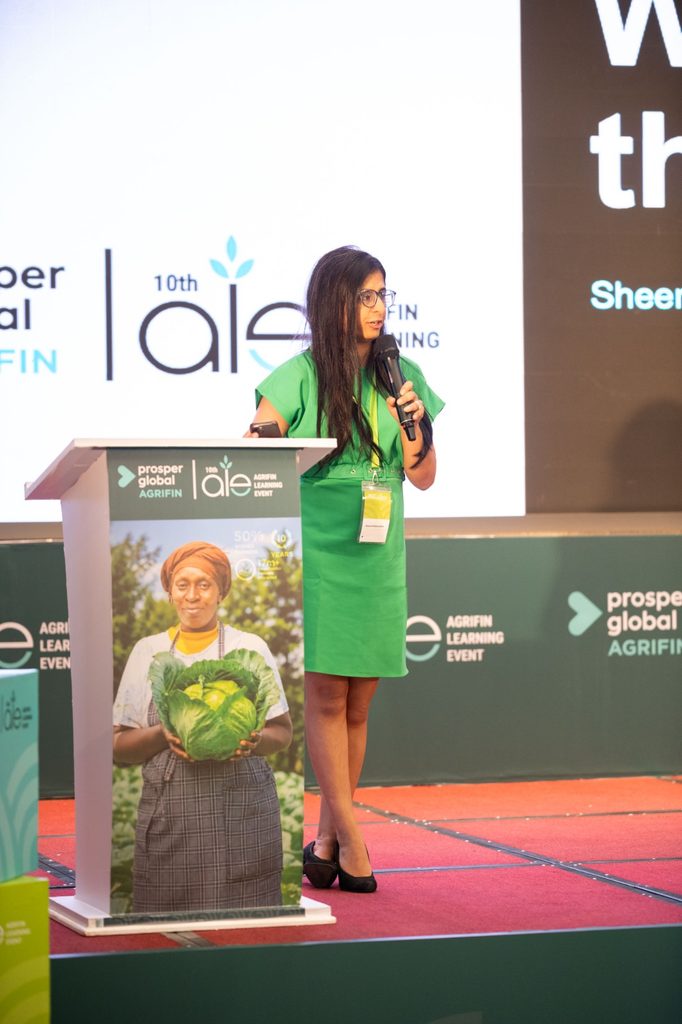
Innovation ecosystem leader Sheena Raikundalia urged stakeholders to focus on building systems that connect finance, infrastructure, technology, markets and farmers rather than concentrating solely on individual innovations.
She also called for practical use of artificial intelligence to solve real problems facing farmers instead of adopting emerging technologies simply because they are available.
Evidence to determine what scales
Stefan Wilhelm, Director of Social Innovation and Head of Latin America and Africa at the Bayer Foundation, said evidence should determine which digital agriculture solutions receive investment and support for expansion.
“So, what does the evidence tell us about where we should go next?” he asked.
The forum heard that stakeholders should assess not only how many farmers are reached but also whether services produce meaningful results, remain affordable and can survive after donor programmes end.
Amath Pathe Sene, Managing Director of the Africa Food Systems Forum, said digital tools, including artificial intelligence, could improve farmers’ access to markets, credit, weather information and agronomic advice if deployed effectively.
Read more:Kiambu earns recognition for digital transformation drive
The push for sustainable financing comes as smallholder farmers face growing threats from climate shocks, pests and diseases, volatile markets, high input costs and declining soil health.
Participants called for greater mobilisation of domestic resources, policy and regulatory incentives for private-sector participation and blended finance to reduce dependence on external funding.
They said the next phase of digital agriculture should be judged not merely by innovations developed or farmers reached, but by whether useful services continue after projects close and whether farmers can afford and benefit from them.
The stakeholders said stronger links between finance, technology, markets and public institutions would be critical to ensuring digital agriculture delivers lasting benefits to smallholder farmers across Africa.
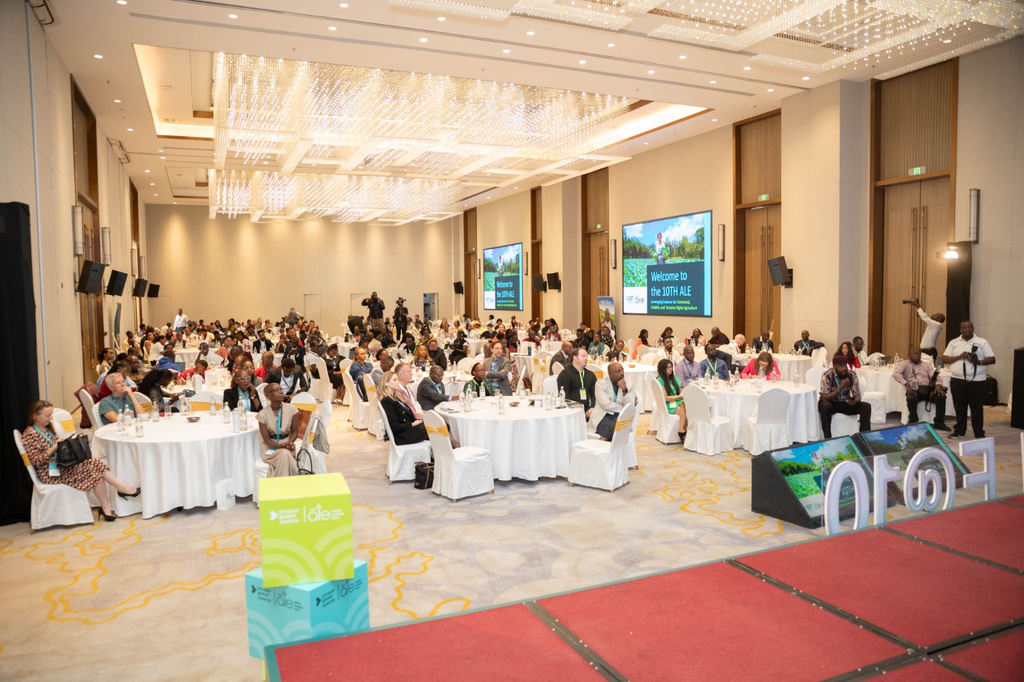
Participants during the 10th AgriFin Learning Event in Nairobi /HANDOUT


About the Author