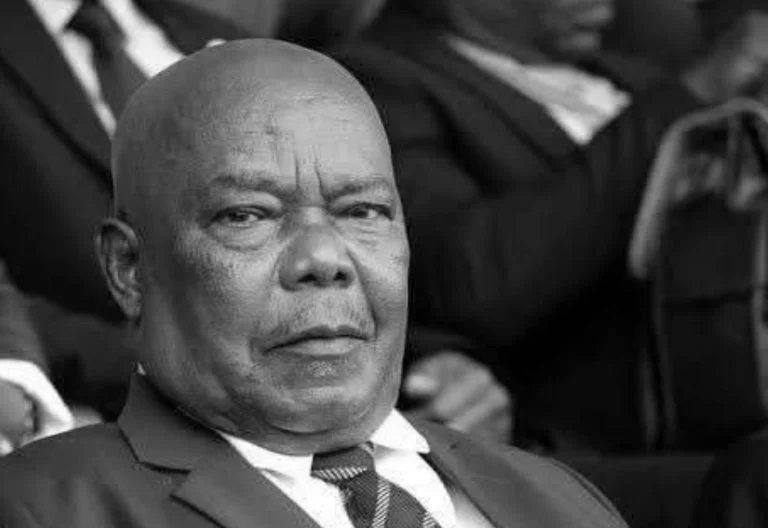
The late Pope Francis. Photo/CNBC
By Newsflash Reporter
Following the reported death of Pope Francis earlier today, the Roman Catholic Church has commenced a centuries-old, meticulously organized process to honour the deceased pontiff and begin preparations for selecting his successor.
What happens after a Pope dies?
The process begins with the camerlengo—currently Cardinal Kevin Farrell, an Irish-American—who is responsible for officially confirming the pope’s death. Traditionally, this involves tapping the pope’s forehead three times with a silver hammer while calling out his name.
Once the death is confirmed, the camerlengo seals the late pope’s private chambers and coordinates the funeral arrangements. He is joined by three cardinal electors, chosen by lot, to decide when the pope’s body will be transferred to St. Peter’s Basilica for public viewing.
A symbolic ritual follows: the Fisherman’s Ring—a symbol of papal authority—and the pope’s lead seal are ceremonially destroyed to prevent future misuse.
Read more:Pope Francis dies at 88, Vatican confirms
In accordance with Church tradition, no autopsy is performed on the deceased pope. The mourning period lasts nine days, during which daily Masses are celebrated. The funeral generally takes place four to six days after the pope’s death, held in St. Peter’s Square.
While most popes are buried beneath St. Peter’s Basilica, Pope Francis had previously expressed a wish to be laid to rest at St. Mary Major Basilica in Rome. The burial involves three nested coffins: one made of cypress wood, which is placed inside a lead casket, and then enclosed in an outer wooden coffin.
The interregnum and election of a new Pope:
During the period known as the interregnum, the College of Cardinals assumes limited administrative duties. The Church then prepares for the conclave, the process of electing a new pope.

This conclave is convened in the Sistine Chapel 15 to 20 days after the pope’s death. Only cardinals under the age of 80 are eligible to vote. A two-thirds majority, plus one vote, is required to elect the next pope. If necessary, the voting can span multiple days.
Once a candidate accepts his election and chooses a papal name, he changes into the papal vestments and receives the homage of his fellow cardinals.
Read more:Ruto, Kindiki mourn Pope Francis
The election outcome is signaled to the world through the chimney of the Sistine Chapel: white smoke indicates that a new pope has been chosen, while black smoke means a decision is still pending.
Shortly afterward, the dean of the College of Cardinals steps onto the central balcony of St. Peter’s Basilica and proclaims “Habemus Papam” (“We have a pope”). The newly elected pontiff then emerges to deliver his first public blessing to the faithful gathered in the square.


About the Author