
Hawkers and traders on Yusuf Haji Road (First Avenue) in Eastleigh. Photo/Eastleigh Voice
By Newsflash Writer
The Government has given foreign nationals operating businesses or working in Kenya a 90-day window to regularise their immigration status, work permits and business licences following a growing backlash over their involvement in small-scale trade.
The temporary regularisation period comes after President William Ruto directed a crackdown on foreign nationals operating small businesses in the country, triggering regional concern and prompting hundreds of foreign nationals, particularly Burundians, to leave Kenya.
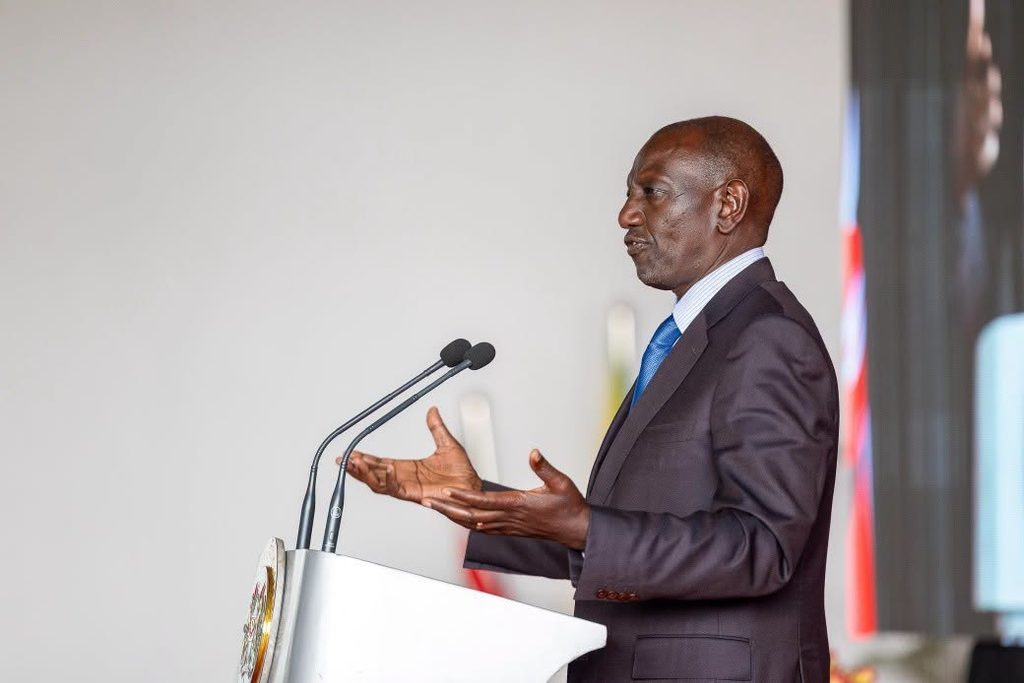
During an engagement with Kenyan traders last week, President Ruto said the Government was committed to protecting economic opportunities for citizens, particularly in businesses requiring little capital.
“We have a bill in parliament [requiring] that there are some trading activities that foreigners can’t do in Kenya,” Ruto said, adding that foreign nationals should not come to Kenya to compete with citizens in business settings that require little capital.
However, the Government has now adopted a more measured approach, giving affected foreign nationals an opportunity to comply with existing laws before stricter enforcement begins.
90-day regularisation exercise
In a statement issued on Tuesday, September 8, State House Spokesperson Hussein Mohammed said the President had received concerns from Kenyan traders over the increasing participation of foreign nationals in small-scale businesses and informal trade.
Mohammed said Ruto had reaffirmed the Government’s responsibility to protect and expand economic opportunities for Kenyans whose livelihoods depend on the micro and small-enterprise sector.
At the same time, the President recognised the Government’s duty to protect the rights and legitimate interests of foreign nationals who are lawfully resident, employed, investing or conducting business in Kenya.
Ruto has consequently directed that the Local Content Bill, 2025, currently before Parliament, be expanded to create a clear and predictable framework governing foreign participation in small-scale trade and enterprise.
Read more: Kenya repatriates 119 Kenyans stranded in Myanmar
The proposed framework will identify economic activities that may be reserved for Kenyan citizens while providing legal protection and certainty for foreign nationals legally entitled to work, invest and conduct businesses in the country.
The Government said every person conducting business in Kenya must comply with immigration, work-permit, registration and licensing requirements.
Over the next 90 days, relevant Government agencies will coordinate a regularisation exercise in consultation with affected persons and their embassies.
The process is intended to give foreign nationals a structured opportunity to regularise their immigration status and business operations in accordance with Kenyan law.
Warning against harassment
Mohammed said Government agencies would provide guidance and administer the requirements fairly, consistently and without discrimination during the regularisation period.
He warned that once the 90 days expire, immigration, work-permit, registration and licensing requirements would be enforced firmly and strictly in accordance with the law and due process.
The Government also cautioned individuals and groups against taking the law into their own hands by harassing, intimidating or threatening foreign nationals or interfering with their businesses.
Read more:JKIA in fresh expansion after Adani fallout
“The interpretation, implementation and enforcement of the law are the exclusive responsibility of duly authorised State agencies,” Mohammed said.
He added that legitimate concerns over economic opportunities could not justify discrimination, lawlessness or violence.
The Government further reaffirmed Kenya’s commitment to regional integration, including the free movement of people, labour, services and capital under applicable legal and regulatory frameworks.
It said Kenya would remain open to lawful foreign investment and enterprise while protecting opportunities for its citizens.
The Government’s latest position effectively shifts the crackdown from immediate enforcement to a 90-day compliance period, giving affected foreign nationals time to regularise their status before tougher measures are implemented.



About the Author