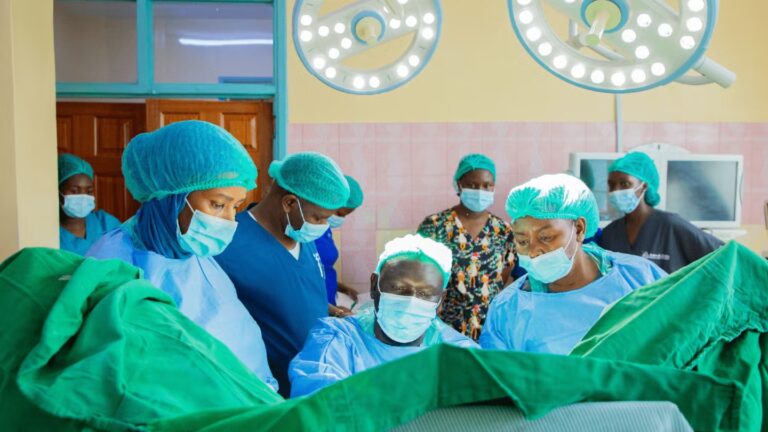
Public Health PS Mary Muthoni. Photo/Handout
By Newsflash Writer
More than half of the women diagnosed with cervical cancer each year are dying due to late detection, according to emerging national health data that has raised concern among medical experts and policymakers.
A recent national survey indicates that out of 6,000 women screened annually for cervical cancer, about 3,500 may not survive beyond a year.
Health officials say the trend underscores a silent crisis, where many women only seek medical help when the disease has already advanced to life-threatening stages.
Public Health and Professional Standards Principal Secretary Mary Muthoni described the statistics as deeply troubling, noting that the Government is increasingly worried about the high mortality rate linked to the preventable and treatable disease when detected early.
Low screening uptake
Even more concerning is the low number of women turning up for routine screening. According to PS Muthoni, fewer than half of eligible women visit health facilities for cervical cancer screening. This leaves a significant portion of the population at risk of unknowingly living with the disease.
Medical experts warn that cervical cancer symptoms often develop slowly and can easily be mistaken for minor or unrelated health issues.
Read more: The care crisis: Why more Kenyans are dying of cancer
As a result, many women dismiss early warning signs, delaying diagnosis and reducing their chances of successful treatment.
Health professionals stress that early screening remains the most effective way to detect pre-cancerous changes before they progress. However, stigma, limited awareness, and access challenges continue to hinder uptake, particularly in rural areas.
Push toward WHO targets
PS Muthoni is now urging women across the country to use Cervical Cancer Awareness Month as an opportunity to learn about the disease and get screened. She also highlighted Kenya’s commitment to the World Health Organization’s (WHO) global strategy aimed at eliminating cervical cancer by 2030.
The WHO targets include vaccinating 90 percent of girls aged 10 to 14 against the Human Papillomavirus (HPV), screening 70 percent of women aged 25 to 49, and ensuring 90 percent of those diagnosed receive treatment.
Read more: Miracles or medicine? Questions over Owuor’s healing ‘miracles’
Although Kenya is currently below these targets, the Ministry of Health has rolled out a four-year strategic plan running to 2030 to bridge the gap. The National Government is working closely with county administrations and health sector partners to expand awareness and services.
Community Health Promoters (CHPs) have also been enlisted to spread information at the grassroots level, encouraging women in villages to go for screening and seek timely care.


About the Author