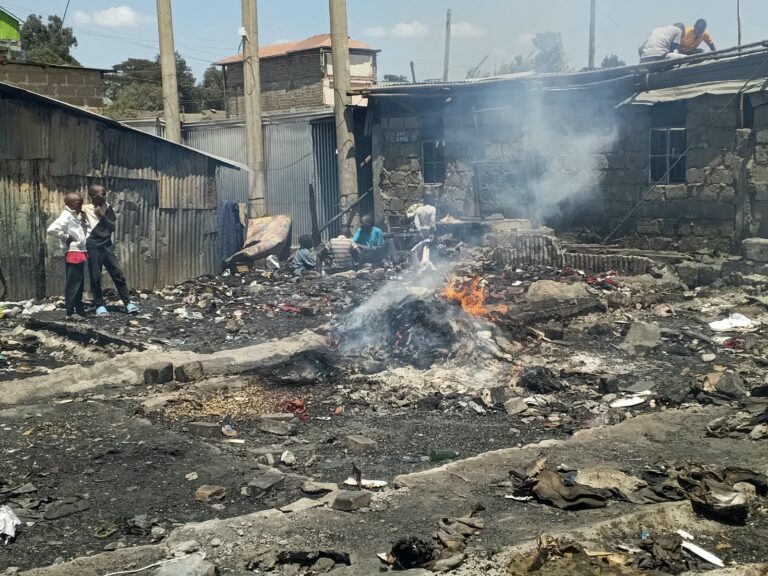
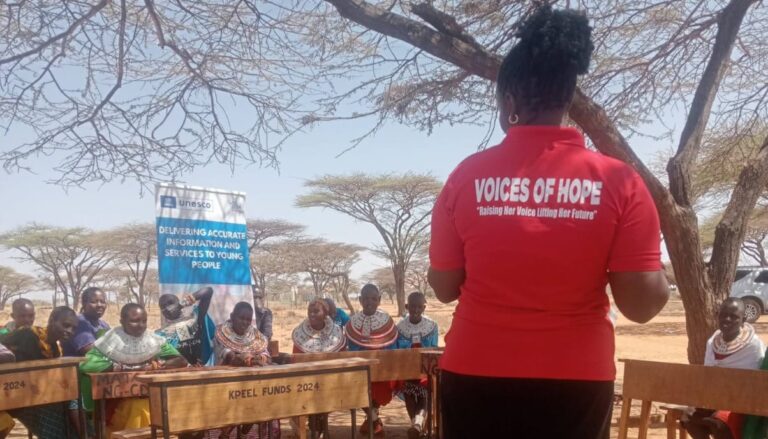
A Namibian Red Cross team conducts a community emergency drill to test readiness for flash floods. Photo/Courtesy
By Daisy Okiring
NAIROBI, Kenya– When we hear the word “disaster,” we often picture floods, droughts, or earthquakes—events triggered by natural forces. But what truly turns these events into disasters is how ready people are to respond. A flood becomes catastrophic when communities lack early warning systems, safe housing, or emergency support.
Disasters often reveal what is missing in a country’s preparedness. As climate extremes become more frequent, African nations must act faster to strengthen disaster management systems.
Study across five African countries
Olasunkanmi Habeeb Okunola, a Senior Research Associate at the United Nations University, recently conducted a study on disaster risk governance in five African countries—Kenya, Nigeria, Egypt, Namibia, and the Democratic Republic of Congo (DRC). The research assessed how these countries are implementing the United Nations’ Sendai Framework for Disaster Risk Reduction, a global plan launched in 2015 to minimize disaster impacts by improving readiness and coordination.
The study reviewed over 400 government policies, laws, and reports across five areas: clear rules, local action, inclusion, information sharing, and integration of disaster planning into national development strategies.
Areas showing progress
Kenya and Namibia have made strides in developing national disaster management plans. These plans clarify roles across ministries and ensure coordination between national and county governments. In Kenya, county governments are increasingly leading disaster preparedness and response initiatives, bringing solutions closer to communities.
Read More: Mazingira Day: Ruto unveils plan to produce 2 billion tree seedlings annually
Namibia has also set up local committees to involve residents in emergency planning, while Nigeria has established disaster management agencies at multiple levels of government. Although coordination remains imperfect, these steps represent progress toward decentralizing disaster governance.
Egypt has begun integrating disaster resilience into its national development goals, and the DRC is leveraging international partnerships to support emergency responses in conflict-affected regions. Both Kenya and Namibia are improving early warning systems for floods and droughts, linking disaster planning with long-term development goals.

Where challenges remain
Despite encouraging progress, many African countries still face serious gaps. Responsibilities between national and local governments are often unclear, causing delays during emergencies. Some nations still lack comprehensive disaster laws, hindering coordination among key sectors such as health, housing, and environment.
In several areas, local disaster response teams remain underfunded and understaffed, relying heavily on donor support. Conflict and instability also disrupt the functioning of local systems, especially in the DRC and northern Nigeria.
The study found that local participation in decision-making is often limited. Vulnerable groups—particularly women, youth, and residents of informal settlements—are rarely involved in disaster planning, even though they are among the most affected. Access to accurate, easy-to-understand risk information also remains a major barrier.
A call for stronger local leadership
Okunola emphasizes that disaster preparedness should be integrated into everyday planning rather than treated as a separate issue. Governments often mention risk reduction in policy documents but fail to implement safeguards on the ground—for instance, by continuing to allow housing in flood-prone areas despite repeated warnings.
He argues that true resilience will require strong legal frameworks, empowered local governments, and meaningful citizen participation.
Read More: The Kenya Diaspora Alliance to unveil bold diaspora investment blueprint
The road to 2030
With the Sendai Framework’s goals set to expire in 2030, African nations have just a few years left to fill existing gaps. Experts say that achieving lasting resilience will depend on whether governments treat disaster management as a shared responsibility involving citizens, civil society, and private actors.
As climate change accelerates, the message is clear: strong leadership, clear laws, and inclusive planning are essential if Africa is to move from disaster response to disaster prevention.


About the Author