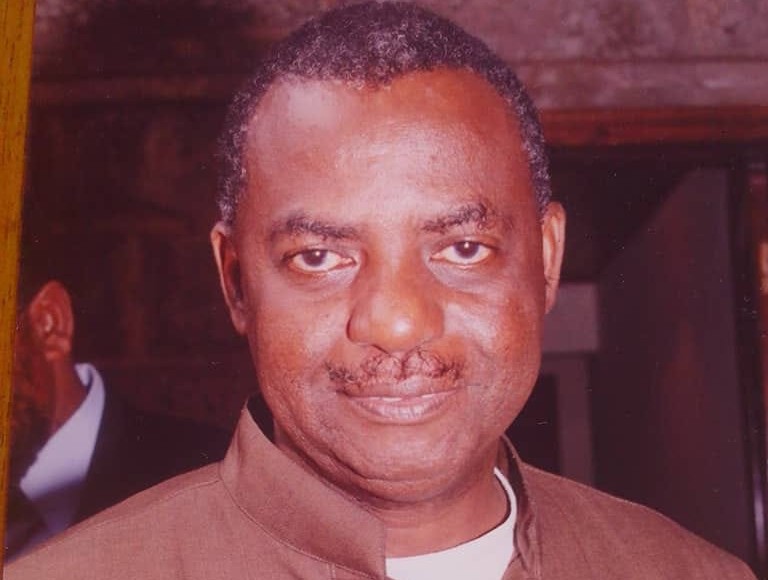
Prof Timothy Arege (left) and Prof Egara Kabaji. Photo/Collage
Newsflash Writer
Acclaimed Kiswahili scholar and author, Prof Timothy Arege, has strongly dismissed claims by fellow academic, Prof Egara Kabaji, that Kenya’s publishing industry is on the verge of collapse and has consistently failed to reward its writers.
Arege’s remarks come in response to a literary column authored by Kabaji and published in a local newspaper on Saturday, January 31, 2026.
In the article, Kabaji painted a grim picture of the state of publishing in Kenya, alleging that celebrated novelist Meja Mwangi suffered financial distress toward the end of his life due to unpaid book royalties.
Kabaji further claimed to have seen evidence suggesting Mwangi was pursuing a Sh10,000 payment from a publisher, using the example to highlight what he described as systemic neglect of authors by publishers.
However, Arege argues that the narrative presented by Kabaji is exaggerated and unfairly generalizes the entire publishing industry based on what could be individual disputes.
Defends publishing industry
Speaking exclusively to Newsflash’s Literary Desk, Prof Arege said the publishing sector in Kenya continues to sustain many writers, himself included.
“I am a published author, and I continue to receive my royalties from my publishers,” he said. “I know so many writers who continue earning very well from writing.”

Arege currently serves as the County Executive Committee Member for Youth, Sports, Culture, Arts and Social Services in the Kisii County Government.
Read more: Did publisher neglect contribute to Meja Mwangi’s death?
Beyond his administrative role, he is widely known in academic circles as the author of the famous Kiswahili play Mstahiki Meya, which for years was a compulsory text in Kenya’s secondary school curriculum.
He maintained that while cases of delayed or disputed payments may exist, they do not reflect the experience of all writers or all publishing houses.
“When a publisher fails to pay an author, that does not mean other publishers are not doing so,” Arege remarked.
According to him, Kabaji’s article risks creating the impression that the entire industry is exploitative, which he believes is misleading and potentially harmful to ongoing efforts to grow Kenya’s literary ecosystem.
‘One-sided narrative’
Kabaji, in his column, described Mwangi’s final years as marked by financial anxiety despite his immense contribution to Kenyan literature.
“Towards the end of his life, Meja Mwangi faced serious financial hardship. This is not hearsay. It is a documented reality known to several people within literary circles. And yet this was a man whose books shaped generations, whose stories entered classrooms, and whose name became synonymous with Kenyan fiction. His work is taught, examined, quoted, and celebrated. His life, however, was marked by anxiety over unpaid dues. This contradiction should disturb us deeply,” Kabaji wrote.

Read more: Kill Me Quick author, Meja Mwangi, dies at 76
He also shared his own experience of struggling to obtain payment from a local publisher, suggesting that such challenges are widespread among authors.
But Arege has taken issue with what he terms as selective storytelling.
“Kabaji is wrong. He is using the dead to drive his own agenda… his wars with his publishers. This is unfair,” Arege said.
He added that Mwangi’s situation, while unfortunate if true, should not be used to condemn an entire industry without broader evidence.
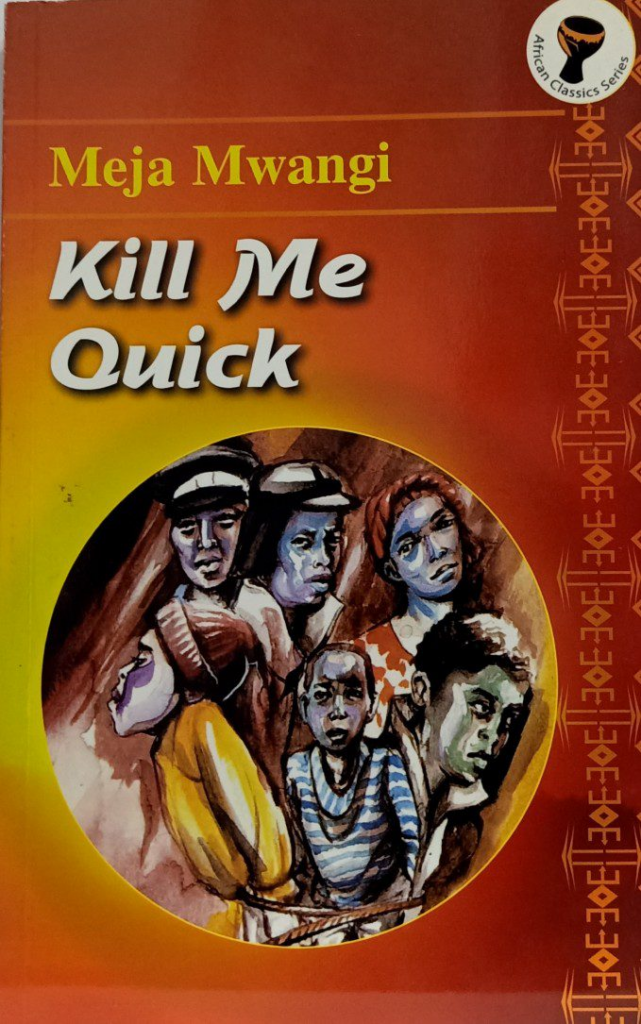
“In my own view, Mwangi’s case could be an isolated one. Most of his books were written in the 1970s and 1980s. Personally, I read some of them in my A-levels. Generations have changed, and there could also be a change in readership dynamics. Therefore, we should not wholly blame the publishers,” said Arege.
Call for industry-wide dialogue
Despite disagreeing with Kabaji’s conclusions, Arege acknowledged that the relationship between authors and publishers deserves closer scrutiny.
He called for a more structured and inclusive conversation involving writers, publishers, and policymakers to address concerns around contracts, royalty structures, and transparency in the industry.
Read more: Keep off education matters, MKU Chancellor Gaitho tell politicians
“There is need for a wider conversation about how authors relate with their publishers and the kind of contracts they sign,” he said. “That is how we streamline the publishing industry, not by condemning it wholesale.”
Arege emphasized that clear contractual agreements and better awareness among authors about their rights would go a long way in preventing disputes and misunderstandings.
As debate continues within literary circles, the differing views by the two scholars highlight deeper tensions over how Kenya values and compensates its creative minds.
While Kabaji’s account has stirred concern and sympathy, Arege’s response points to a more complex picture — one where challenges exist, but so do success stories.
The conversation, both agree indirectly, is far from over.



About the Author