Celebrated Kenyan novelist Meja Mwangi. Photo/Handout
By Newsflash Reporter
Celebrated Kenyan novelist and acclaimed storyteller Meja Mwangi has passed away, marking the end of a remarkable literary journey that shaped generations of readers and writers.
Mwangi, renowned for his gripping crime thrillers and vivid depictions of Kenya’s urban struggles, died earlier today, according to an announcement by Nuria Bookstore, his publisher, in Nairobi.
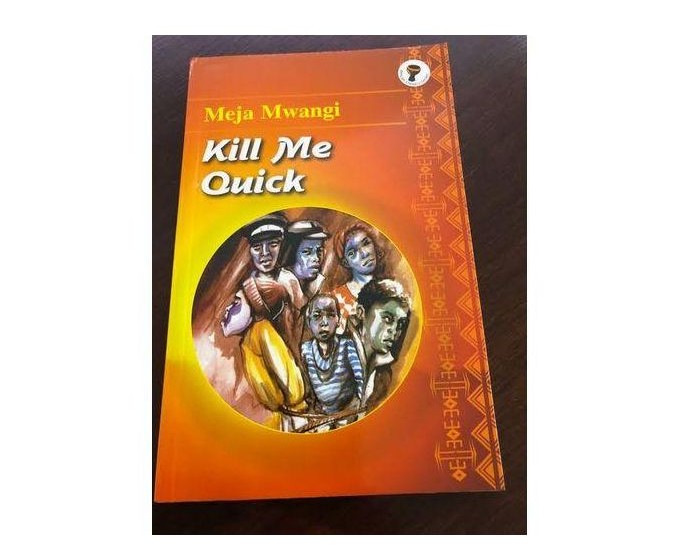
Nuria Bookstore confirmed the news in a heartfelt statement, describing Mwangi — born David Dominic Mwangi — as a literary giant whose work continues to influence and inspire. “Author of timeless classics like Kill Me Quick, Carcase for Hounds, Going Down River Road, and The Last Plague, Meja gave voice to the voiceless and painted Kenya’s struggles and spirit with unmatched honesty and power,” the statement read. The publisher hailed him as a proud son of Nanyuki, a “quiet revolutionary,” and a storyteller who will never be forgotten.
Family sources also confirmed to Newsflash.
A storied career rooted in Kenya’s realities
Born on December 27, 1948, in Nanyuki, Mwangi’s early life shaped much of his thematic focus, with many of his works portraying the harsh realities of urban poverty, the resilience of everyday Kenyans, and the country’s political and social transformations. He attended Nanyuki Secondary School before joining Kenyatta College and later briefly studying at the University of Leeds. His exposure to both local and international institutions broadened his worldview and enriched his artistic voice.
Read more: Ngugi wa Thiong’o cremated in US according to final wishes
Before venturing fully into writing, Mwangi worked various jobs, including with the French Broadcasting Corporation and later with the British Council in Nairobi as a Visual Aids Officer. His passion for storytelling eventually led him to the University of Iowa, where he was a Writing Fellow between 1975 and 1976 — a period that significantly propelled his literary standing.
Mwangi’s influence extended beyond literature into the film industry, where he contributed as a screenwriter, assistant director, and casting professional. His cinematic engagement sharpened his descriptive style, enabling him to produce novels rich in imagery, atmosphere, and action.
A legacy etched in literature
Mwangi’s writing career spans decades, with many of his titles now considered staples in Kenyan and African literature. His early works, including Kill Me Quick (1973), Going Down River Road (1976), and The Cockroach Dance (1979), captured post-independence Kenya in raw, compelling narratives. Through characters caught between survival and despair, he illuminated issues such as unemployment, inequality, and urban decay — themes that resonated deeply with readers and critics alike.
His book Carcase for Hounds offered a gripping depiction of the Mau Mau resistance, reflecting the country’s turbulent past and the sacrifices of its freedom fighters.

Meanwhile, The Last Plague tackled the devastation of the AIDS epidemic, demonstrating Mwangi’s commitment to confronting societal challenges through storytelling.
Read more: Ngũgĩ wa Thiong’o family to establish cultural centre in his memory
Over the years, his literary output earned him numerous accolades and international recognition, eventually prompting him to relocate to the United States, where he continued writing and engaging with the global literary community.
Nuria Bookstore’s tribute described him as “Baba wa Riwaya” — the father of modern Kenyan fiction — whose legacy endures through the power of his stories. “Thank you, Meja. Kenya will miss you,” the tribute concluded, capturing the widespread sentiment of grief and gratitude.
A dark year for scholars and authors
This has been a dark year for the literary world following the deaths of prominent authors.
Some of the influential writers who passed away this year include Prof. Ngugi wa Thiong’o, Ruo Kimani Ruo, Prof. David Mulwa, among others.


About the Author