
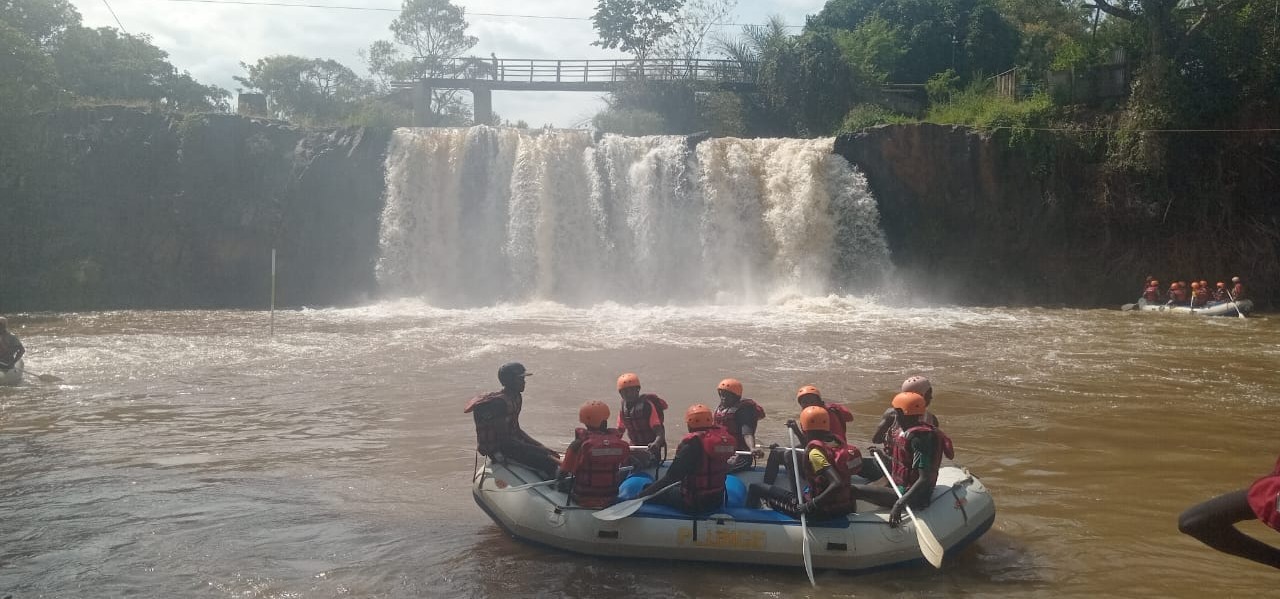
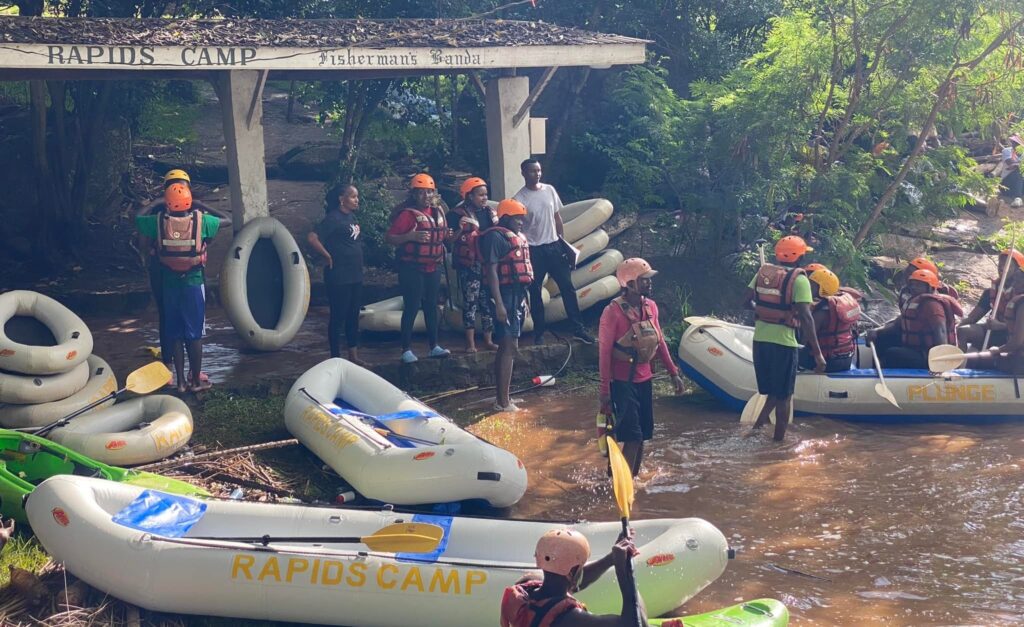
Participants of the upcoming African Rafting Championships games practicing inside Rapids Camp, Sagana. Photo/Newsflash
By Wanderi Kamau
What began as a modest recreational sport in the heart of Kirinyaga County is today riding the global tide, positioning Kenya as a serious contender in the world of white-water rafting.
Nestled in the tranquil village of Riandira in Sagana, Rapids Camp has transformed from a laid-back tourist stop into the epicenter of rafting excellence in East Africa.
Set against the scenic backdrop of the Kiambichu Hills and surrounded by decades-old indigenous trees, Rapids Camp enjoys a cool and wet climate year-round.
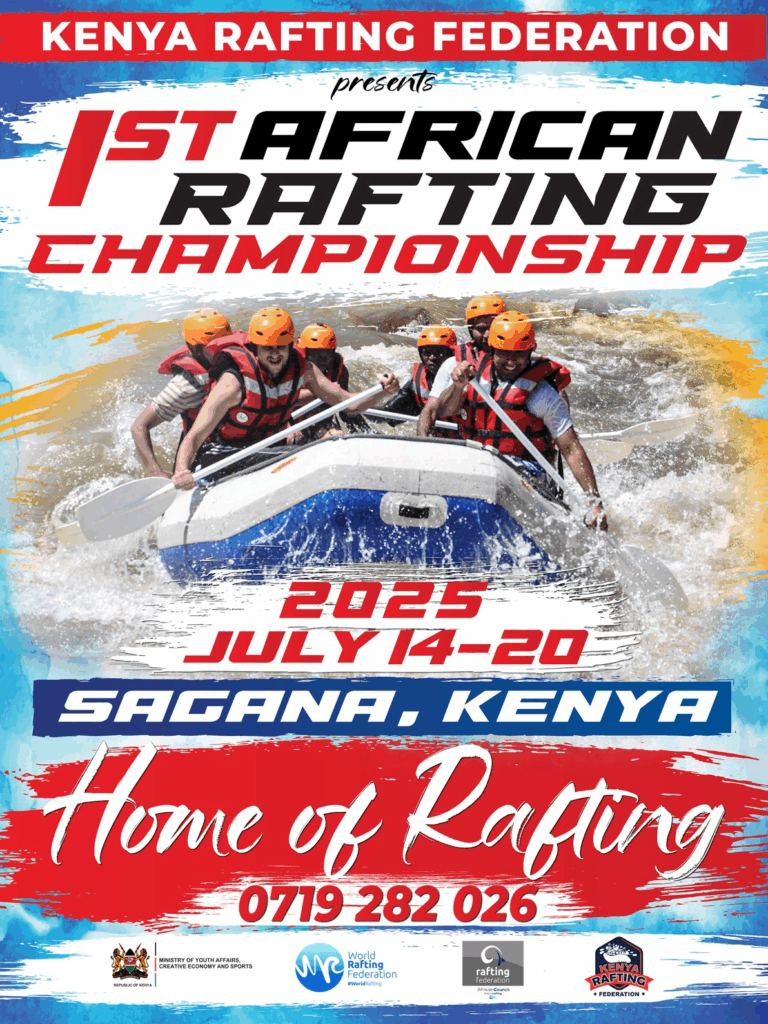
Its lush vegetation, natural grass, and gushing waters make it not just a picturesque haven but an ideal training ground for one of the world’s most thrilling water sports.
As Kenya prepares to host the African Rafting Championships between July 14 and 20, the spotlight is firmly on this once-sleepy camp, now standing tall as a beacon of adventure tourism and competitive sportsmanship.
A dream rooted in humility
Rapids Camp was established in 2006 with a simple goal — to offer a serene, nature-rich getaway. But as rafting gained popularity, particularly after its formal introduction at the camp in 2010, it slowly evolved into something much larger. Today, it is not only the pride of Sagana but also the heart of Kenya’s rafting ambitions.
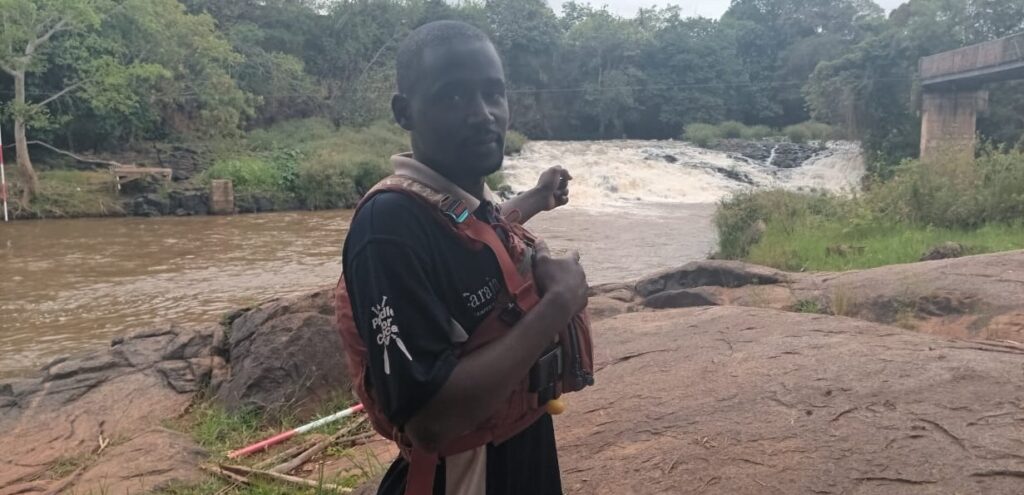
“When the game started, we could get an average number of 300 to 400 participants a week,” says Henry Ogega, a long-serving worker and trained raft expert at the camp, popularly known as Mogaka. “However, the game has grown exponentially. For now, we usually receive an average of 800 participants per week,” he says.
Read more:Kenya to host inaugural African Rafting Championships in Sagana
Ogega, who has witnessed the camp’s transformation firsthand, says rafting was initially embraced by the youth. Over time, however, locals of all ages and genders have joined in, making it a community sport. “Even women have become active participants,” he notes, pointing out the involvement of the Tana River Women Conservation group, which has taken a leading role in river preservation and is now gearing up to compete in the upcoming championships.
To Ogega, the African Rafting Championships represent more than a sporting event—they are a fulfillment of a vision. “The forthcoming African Raft Championships are a revelation that if given the needed attention, this game can grow phenomenally,” he says.
Still, challenges persist. “While there is so much potential in this game, the main challenge we face is lack of enough sporting facilities. I urge the government and other corporate sponsors to come on board and invest in this game,” he told Newsflash.
Call for support and investment
Mathai Nderitu, one of the championship’s organisers, echoes Ogega’s sentiments. “We need more sponsorship to uplift this game to new heights. We have a shortage of facilities, which are very key for its success,” he explains. Nderitu highlights the steep costs involved in rafting, noting that a single professional raft boat can cost up to Sh500,000 — an amount far beyond the reach of most local communities.
Julius Kariri, a departmental head at Rapids Camp, says preparations are in full swing to welcome teams from across the continent. “We urge Kenyans to turn in large numbers to cheer their team,” he says, confident of a successful hosting.
Read more: How teams are preparing for African Rafting Championships
Kariri is also optimistic about the long-term impact of hosting the continental event. “We should also look at these games from a wider perspective. Beyond being hosted in Kenya, these games will open up our country to foreigners as a rafting and touristic nation. This will greatly promote us economically,” he adds.
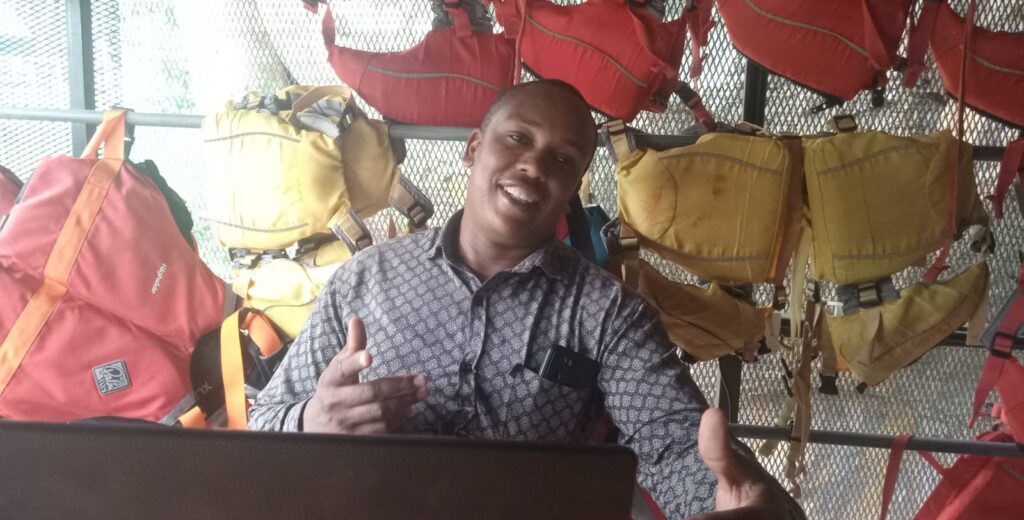
He believes that if well-marketed, Sagana could mirror the success of Naivasha as a tourism and event hub. “If proper steps are taken to market and popularize the game, there is a possibility for Sagana to grow to a world-known rafting destination. Sagana will be Kenya’s new Naivasha. It will be no longer ‘Twende Vasha’, but ‘Twende Saga’; all due to the impact of rafting,” he says with a smile.
Kariri also assures that all logistics, including security and crowd management, are being handled with utmost care. “We are not leaving anything to chance,” he affirms.
Guides leading the way
Nicole Wambui, a seasoned raft guide at the camp, is among those preparing to welcome and support the competing teams. Her journey with Rapids Camp spans a decade — a testament to dedication and growth.
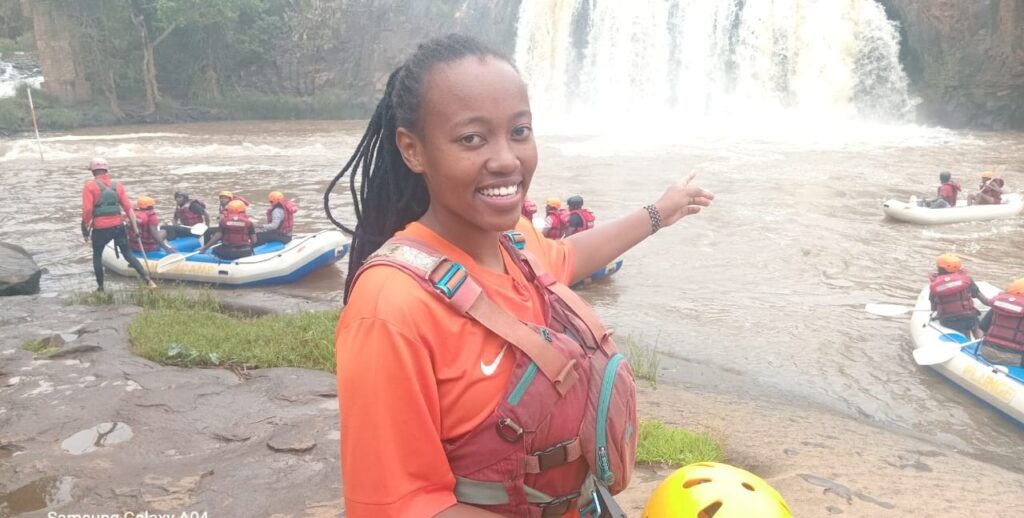
“I have been at this camp for the past ten years. We started with only two boats… and not as much training that we have now. It has been a journey of growth,” she says proudly.
Nicole and her colleagues are not just guides; they are ambassadors of the sport, having developed their skills and confidence alongside the camp’s evolution. They have trained relentlessly to ensure both safety and excitement for visitors and competitors alike.
Evolution of rafting
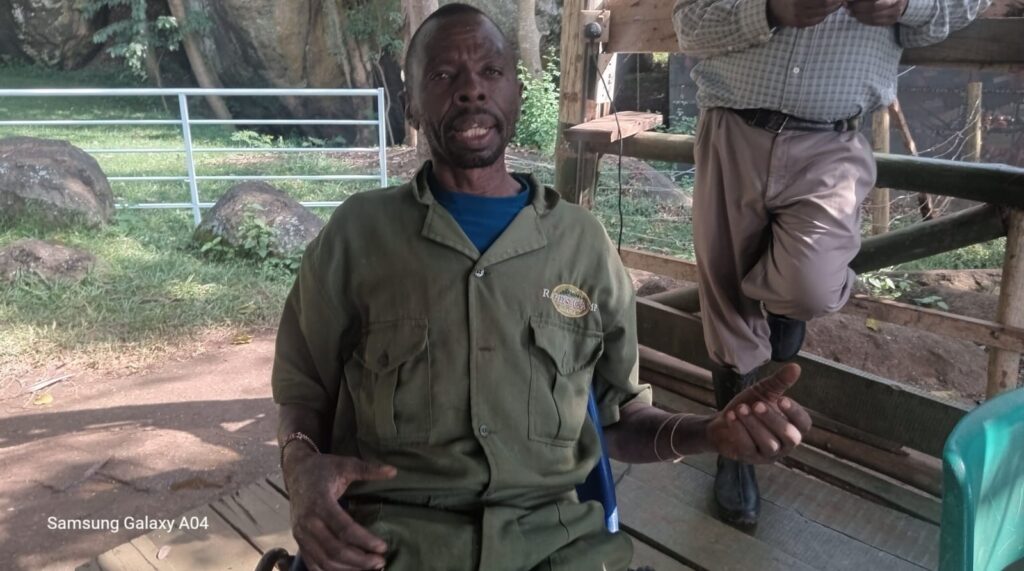
Mr. Robert Ndirangu, a supervisor at Rapids Camp, has witnessed the evolution of rafting from a little-known activity to a fast-growing sport in Kenya. He recalls the early challenges of introducing the sport locally in 2010, when it was largely viewed as a foreign pastime.
“When we came up with rafting as a game and a commercial venture, most people took it as a European game. However, they came to realise that what a European can do, an African can do better. That was the trigger for this game to grow beyond the borders,” Ndirangu told Newsflash.
Over time, growing awareness and local participation helped break the stereotype. Rafting began attracting adventure seekers from all walks of life, drawn by both the thrill of the sport and its numerous health benefits.
“This game is very important for health purposes. It helps the participants to be physically fit. I have been in this game for about 15 years. It has very minimal challenges, if you just follow the instructions,” he says.
Ndirangu believes that rafting is not just for professional athletes or tourists, but a fun and accessible sport for anyone willing to try.
“Rafting is a very easy game. Anybody can do it. I encourage people to participate,” he adds.
New rafting renaissance
Beyond the adrenaline rush of turbulent rapids, the true beauty of Rapids Camp lies in its environment.
The pristine landscape offers a meditative escape, with the sounds of cascading falls mingling with birdsong from the surrounding forest.
The towering indigenous trees provide shade and serenity, giving the camp an ethereal charm that is as spiritual as it is recreational.
Read more: Tana River Women Group seeks support to boost conservation
For Kenya, this is more than a game. It is a story of reinvention — a local initiative that has turned an ordinary village into a gateway for global sport and eco-tourism.
As athletes and tourists prepare to descend upon Sagana, the world will finally witness what the locals have always known: that Rapids Camp is not just Kenya’s rafting centre — it is Africa’s next big thing.


About the Author





1 thought on “Rapids Camp: Kenya’s rafting centre making global waves”
Comments are closed.