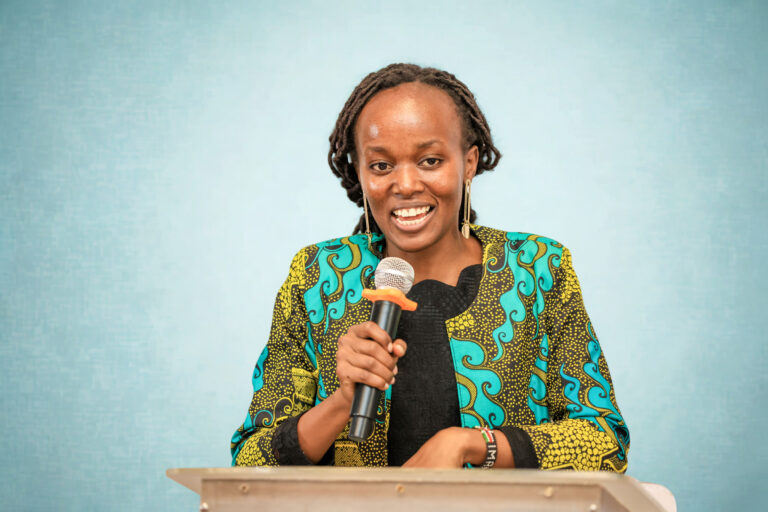
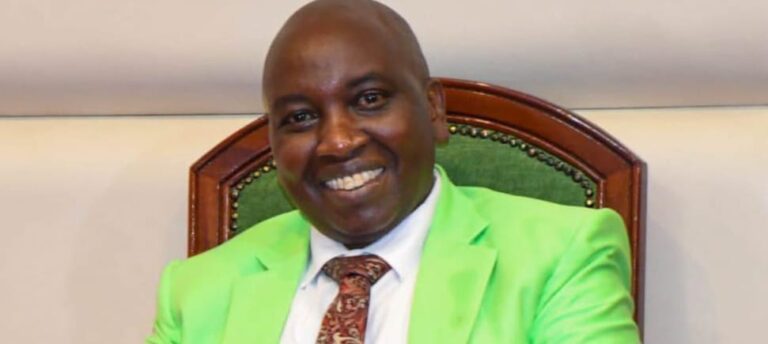
A section of Mau Mau descendants pictured soon after they presented a memorandum at a public participation forum on the Public Benefits Organizations (PBO) Act, where they endeavored to lobby for inclusion of issues regarding compensation of Mau Mau freedom war veterans and their descendants. Photo/Home News
By Home News Correspondent, Kitale
In the waning twilight of Kenya’s independence heroes, a new leader has emerged—one not forged in the forests of colonial resistance but born of modern scholarship, strategic advocacy, and deep cultural understanding.
Njuguna Mahuria, General Director of the consortia of organizations affiliated with the Mau Mau Freedom War Veterans, stands at the confluence of history and justice. He is poised to lead a long-suffering community toward long-overdue reparations.
Set to graduate with a degree in Anthropology, Mahuria brings more than academic credentials—he embodies a fresh vision rooted in cultural insight, historical empathy, and strategic engagement. His rise comes at a critical time, as thousands of Mau Mau veterans and their descendants press on with their quest for compensation and recognition for the atrocities endured under British colonial rule.
A leader for a wounded legacy
Mahuria’s entry into the movement wasn’t orchestrated—it felt providential. At a time when the organizations representing Mau Mau veterans were battling inertia and internal fatigue, Mahuria emerged as the rejuvenating force they hadn’t known they needed. For the aging leadership—many of whom have fought for justice since independence—he is seen as a “Joshua,” destined to carry the people across the “River of Babylon” into their long-awaited “Canaan.”
Captain Githiga Gikonyo, the national coordinator of the association, underlined this generational shift during a pivotal meeting held in Nyeri last November.
Read more:AUC race: Gachagua, Mau Mau veterans send Raila message of goodwill
“We’ve come together in Nyeri to discuss compensation for those who fought for this country’s liberation,” he said. “Our grassroots members, across counties and sub-counties, have been advised to open bank accounts in preparation.”
Such optimism might seem misplaced—if not for the relentless drive of Mahuria and his peers to realign the justice movement. His training in Anthropology has sharpened his understanding of systemic marginalization and opened global advocacy networks, including ties with the World Anthropology Union (WAU).
Resurrecting a struggle for justice
To understand the stakes, one must revisit history. In 2013, the British government agreed to pay £19.9 million (approximately KSh 3.6 billion at the time) to just over 5,000 Kenyan victims of colonial-era torture. But for thousands of others, the gesture felt like a token. Forgotten names and unrecognized sacrifices remained.
Mahuria understands this fracture all too well.

“Our parents endured unimaginable hardships during the colonial period. Many lost their lives, and survivors still carry physical and emotional scars,” he told journalists in Kitale. “Time is running out for the remaining remnants of that war to receive justice.”
For Mahuria, the fight transcends financial compensation—it is a matter of intergenerational dignity. He believes reparations must also reach the descendants of veterans and the families of those who died before justice could find them.
“This is not just about the past,” he says. “It’s about ensuring future generations understand the sacrifices made for Kenya’s independence. Compensation is symbolic—it restores a semblance of justice for the atrocities endured.”
From the courtrooms of Europe to Kenya’s Parliament
Mahuria’s leadership represents a strategic pivot. No longer content with sluggish domestic bureaucracies, the organizations he leads are applying pressure internationally. In 2022, a group of Kenyans filed a lawsuit against Britain at the European Court of Human Rights over colonial-era abuses.
Domestically, Mahuria has led petitions to both the Senate and the National Assembly, urging legislative action. His political savvy, sharpened advocacy tools, and deep reverence for Kenya’s liberation history have earned him considerable clout.
Read more: Illegal logging syndicates: Who’s profiting from Mau’s destruction?
“Even the British monarchy has acknowledged the dark past,” he noted, recalling King Charles III’s 2023 visit to Kenya. “There had been abhorrent and unjustifiable acts of violence committed against Kenyans as they waged a painful struggle for independence. And for that, there can be no excuse.”
But for Mahuria and his fellow advocates, apologies are not enough. They want restoration, accountability, and real closure.
A coalition of legacy and purpose
Under Mahuria’s stewardship, the consortia of affiliated organizations—including the Mau Mau War Veterans Association, Jeremiah Mugi Foundation, Mau Mau Associates CLG, Mau Mau Original Trust, and the Mau Mau Children Post-Colonial Elite—are working in unprecedented coordination.
As chairman of the Jeremiah Mugi Foundation, Mahuria is nurturing the next generation of custodians of Kenya’s liberation history. By integrating descendants of freedom fighters into the movement, he is ensuring its survival beyond the lifespans of its founders.
The road ahead
The journey toward reparations remains encumbered by bureaucratic red tape, legal complexities, and political inertia. But with Njuguna Mahuria at the helm, the movement has regained legitimacy and momentum. His fusion of historical knowledge, academic depth, and compelling leadership makes him a figure fit for this moment.
As Kenya continues to reckon with its colonial past, Mahuria stands not merely as an advocate for compensation, but as a bridge between generations—between the warriors of yesteryear and the republic they helped birth.
Read more: Jamleck Kamau dumps Jubilee, joins Gachagua’s DCP
In his own words: “While we may not rewrite history, we can shape how it is remembered, honoured, and corrected. The time for justice is now.”
By telling the stories of the past with clarity, and fighting for justice with unwavering resolve, Njuguna Mahuria may one day be remembered not just as a successor to the freedom fighters—but as one of them


About the Author