
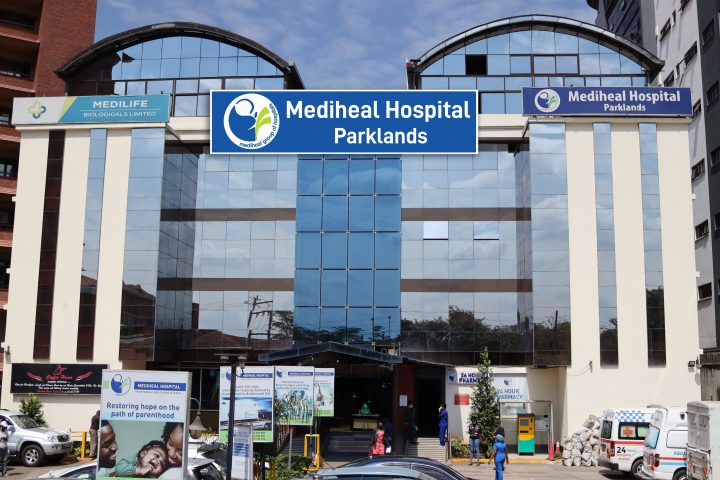
Mediheal Hospital which is at the center of an organ transplant scandal. Photo/Meadiheal Hospitals
By Newsflash Team
A member of a government-appointed team investigating suspected illegal kidney transplants at Eldoret-based Mediheal Hospital has sensationally claimed that the final report was manipulated by senior Health ministry officials to omit critical evidence of an alleged human organ trafficking ring.
Dr Philip Chepchirchir, a nephrologist and one of the 12-member fact-finding committee, said that he, along with two other colleagues, disassociated themselves from the final document after being pressured to alter its findings.
According to Dr Chepchirchir, key conclusions linking Mediheal Hospital to suspicious kidney transplant practices were intentionally removed to protect the facility from public backlash and legal implications.
“We officially walked away when we realized we were being asked to sanitize a report that had already captured the facts clearly,” said Dr Chepchirchir, who was appointed by the Kenya Blood Transfusion and Transplant Services (KBTTS). Though he declined to name those involved, he stated that the interference came directly from top levels of the Ministry of Health.
Allegations of cross-border kidney trafficking
The committee, formed last year following widespread concerns over alleged malpractice in kidney transplants at the hospital, included representatives from key medical regulatory agencies and professional associations, including the Kenya Medical Practitioners and Dentists Council (KMPDC) and the Kenya Medical Association (KMA).
Dr Chepchirchir revealed that the investigation uncovered a sophisticated network involving both local and international players. Documents reportedly show that a foreign entity working with Mediheal was sourcing kidneys from both Kenyan and foreign donors, compensating them between KSh 200,000 and KSh 300,000. These organs were then sold to patients—some based in Germany—for up to KSh 2.5 million.
Some of the transplants, he claimed, were conducted abroad in India after matching donors and recipients, while others occurred locally. In several instances, donors allegedly used forged or borrowed identity documents because the recipients could not find suitable matches within their families.
Read more:Kenyan public hospitals: The new death traps for patients
The report, according to Dr Chepchirchir, was nearly finalized when the Health ministry allegedly intervened and instructed the team to remove sections implicating an Israeli-linked online medical company in the trafficking network. “We couldn’t in good conscience continue with the process. We let the team leader and others handle the mess,” he said.
The nephrologist also questioned the delay in finalizing the report, attributing it to repeated attempts by powerful individuals to suppress its findings. “The Ministry tried to bury this investigation as early as 2023 after media reports emerged,” he added.
Hospital denies wrongdoing
In response to the allegations, Dr Semoge Mshindi, a representative of Mediheal, dismissed the claims as fictional and emphasized that all transplants performed by the hospital follow strict legal protocols. “All donors are fully informed and counselled. No one is forced to give their kidney,” he said.
Mediheal Vice President Maryline Limo said the hospital had not received any official report from the ministry regarding the probe or its findings. Meanwhile, Dr Everline Chege, who led the task force, defended the final report and urged all members to support the version submitted to the Directorate of Criminal Investigations (DCI).
However, Acting KMPDC CEO Dr Wahab Harun denied that the council had approved Mediheal’s transplant license, stating that the application is still under review.
Read more:Over 200 hospitalised as mysterious illness spreads in Kisii
Dr Chepchirchir also said that some of the patients who received transplants at Mediheal have since disappeared, further complicating investigations. In one instance, he noted, a Sierra Leonean patient faced difficulty accessing post-operative care after staff changes, and documents related to his transplant had vanished by the time DCI officers visited.
He warned that the country is witnessing a rapid surge in organ trafficking due to weak regulations and collusion between criminal syndicates and medical authorities. “How can someone be paid just KSh 200,000 for a kidney that’s resold for over KSh 2.5 million abroad?” he asked, questioning the ethical and legal oversight of Kenya’s transplant system.
The unfolding scandal has raised serious questions about transparency and accountability within the health sector, particularly in managing organ transplants—a life-saving procedure increasingly exploited for profit.


About the Author




1 thought on “How senior health officials doctored organ transplant dossier”
Comments are closed.