Kenyan youth purchasing nicotine products. Photo/Courtesy
By Daisy Okiring
Kenya’s Ministry of Health has raised alarm over the growing use of tobacco among young people, warning that it is driving a wider drug addiction crisis.
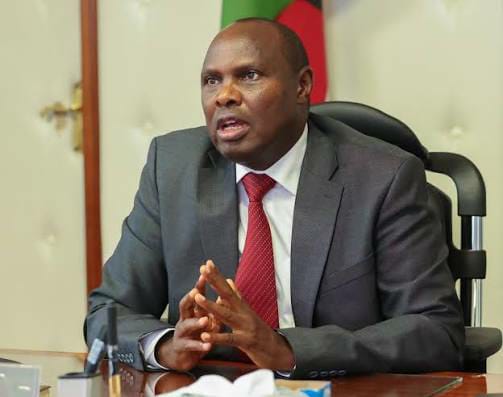
Public Health Principal Secretary Mary Muthoni said weak enforcement of tobacco laws is exposing youth to harmful substances, often leading them from cigarettes to alcohol, cannabis, and other hard drugs.
Rising concern
Speaking in Kirinyaga County, Muthoni described tobacco as a gateway drug that is harming families and undermining public health.
“The menace of drugs continues to threaten families and especially the youth in our households. Illicit brews remain very persistent, and this is a danger even to our health,” she said.
Muthoni added that the ministry is closely monitoring the situation and wants stronger measures in place to protect young people.
Crackdown planned
The PS hinted that a nationwide crackdown on tobacco misuse could be launched. She noted that rules restricting tobacco use in public places have been poorly enforced.
“The enforcement of rules against tobacco and nicotine use in public has relaxed. There must be a reawakening to ensure they are implemented at all levels,” she stressed.
Read More: SHA uncovers 1,118 clinics suspected in Sh10.7 Billion scandal
According to the Kenya Tobacco Control Data Initiative, tobacco use kills nearly 12,000 people in the country every year. It is linked to respiratory and heart diseases, multiple cancers, and diabetes.
Experts warn that beyond the health risks, tobacco-related illnesses place a heavy financial burden on families, the healthcare system, and the economy.
New measures
In June, Kenya introduced new graphic health warnings on tobacco packaging as part of its campaign to curb smoking.
The move aligns with the World Health Organisation’s Framework Convention on Tobacco Control and is designed to discourage smoking among young people while protecting non-smokers from second-hand smoke.
Read More: Nairobi to host WHX, WHX Labs Healthcare Summit
This is the third rollout of graphic warnings since Kenya first adopted text-only labels in 2008 and later switched to images in 2016.


About the Author