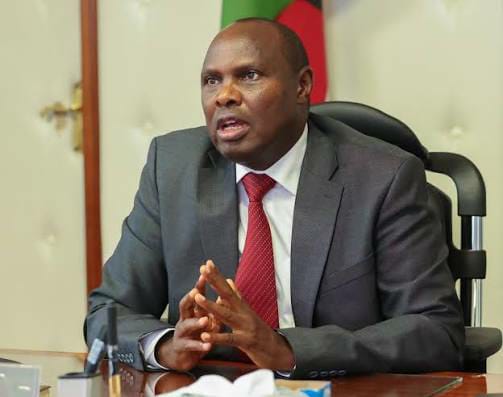
Social Health Authority CEO Mercy Mwangangi during a bilateral with Chief Executive Officers of Medical Insurance Companies at Afya House, Nairobi on August 18, 2025. photo/MOH
By Newsflash Repoter
NAIROBI, Kenya – The Social Health Authority (SHA) has uncovered extensive fraud within Kenya’s healthcare system, with 1,118 clinics suspected of submitting fraudulent claims totaling Sh10.7 billion. The alarming discovery comes as SHA announces record collections of Sh70 billion since its establishment, significantly outperforming the former National Health Insurance Fund’s total collections of Sh45 billion.
SHA Chief Executive Officer Mercy Mwangangi revealed the findings during a television interview on Tuesday night, detailing how the authority detected and rejected the fraudulent claims out of Sh80 billion total claims submitted by health facilities nationwide. The scale of suspected fraud represents one of the largest healthcare financial scandals in Kenya’s history.
Breakdown of SHA Collections
Dr. Mwangangi provided a comprehensive breakdown of the Sh70 billion collections: Sh8 billion allocated to primary health care, Sh5.9 billion for the emergency and chronic illness fund, Sh54 billion directed to the Social Health Insurance Fund (SHIF), Sh4 billion from public servants, and Sh500 million from local sources. The collections demonstrate significant public participation in the new health insurance scheme despite the challenges of implementation.
Fraud Detection and Response
The CEO emphasized SHA’s rigorous approach to combating fraud, stating, “Our law is very clear. If you submit a fraudulent claim to SHA, there are contractual terms that govern what SHA would do, including fines and criminal prosecution.” The authority has referred the list of 1,118 suspected facilities to the Directorate of Criminal Investigations (DCI) for further action.
Among the implicated facilities, 85 have been confirmed to have engaged in deliberate fraudulent activities, while 151 were found to have submitted false claims or operated beyond their licensed care levels. SHA continues to review remaining claims to uncover additional irregularities.
Read More:Parents warned as teens abuse new drug causing hallucinations
Data Protection and Patient Privacy
Addressing concerns about patient privacy, Dr. Mwangangi assured that SHA operates within legal boundaries regarding data handling. “The data that the DCI will have is governed by the data protection in our Act and Digital Health Act that protects patient data. It’s within the law,” she explained, noting that patients provide consent when visiting facilities and submitting claim forms.
She defended the necessity of data access for claim verification: “There’s no way we will know if the claim is legitimate if we can’t access the claim and determine it took place. How would SHA pay, on trust? We can’t.”
Read More: KMPDU presses Ruto government to clear doctors’ arrears, update payslips
Enrollment Statistics
Despite the fraud challenges, SHA has achieved significant enrollment success with 26 million Kenyans now registered. This includes 890,000 from the informal sector and 4 million salaried contributors, bringing the total number of active contributors to 4.8 million. The enrollment figures represent substantial progress in expanding healthcare coverage across the country.
The fraud detection measures and robust enrollment numbers demonstrate SHA’s dual focus on expanding access while maintaining financial integrity within Kenya’s healthcare system. The ongoing investigations and prosecutions are expected to serve as a deterrent against future fraudulent activities in the health insurance sector.


About the Author