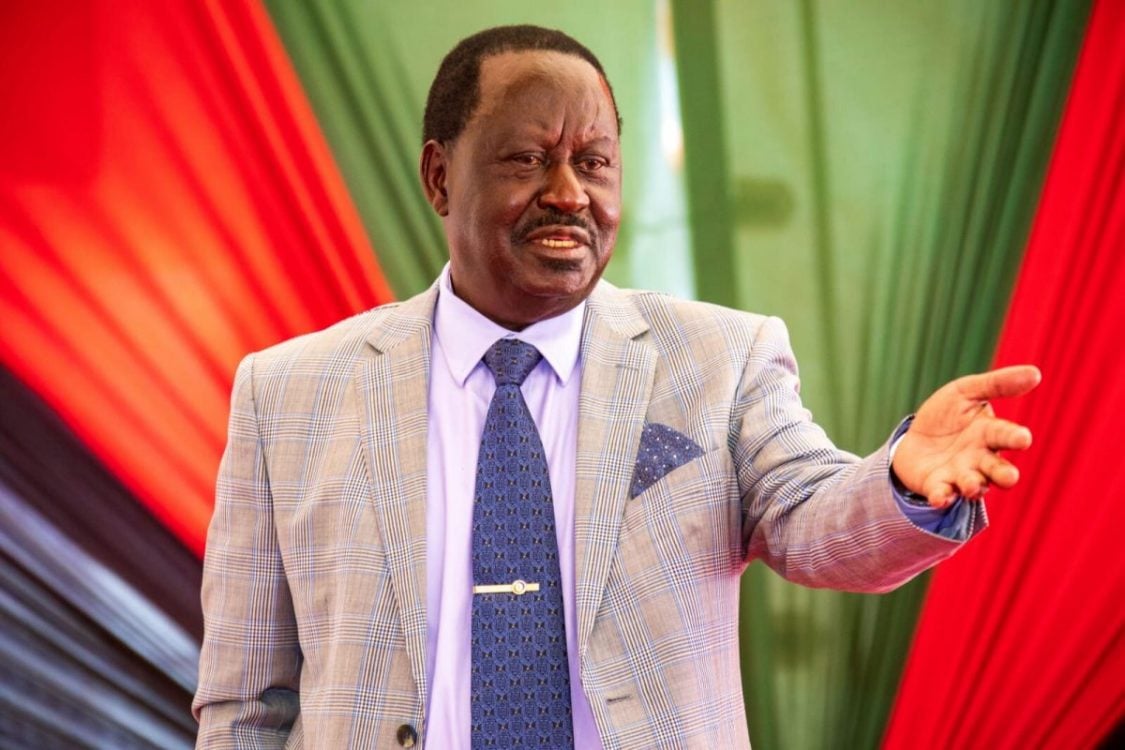
ODM Leader Raila Odinga. Photo/Courtesy
By Newsflash Writer
Raila Odinga has defended the government’s plan to privatise the Kenya Pipeline Company (KPC), saying that privatisation does not mean the country is losing ownership of its assets.
Speaking during the ODM Parliamentary Group meeting in Nairobi, Raila said Kenyans should not panic about the government’s intention to open up the oil transport firm to private investors. He stressed that infrastructure like KPC remains in Kenya regardless of who manages it.
“Even if you sell it, it remains here,” Raila said. “This is not like selling something that can be carried away. The asset is still here, only management changes.”
Why Raila supports privatisation
The former prime minister drew comparisons with the United Kingdom under Margaret Thatcher, where privatisation of state-owned firms became a key economic reform strategy. He argued that Kenya must take a similar path to unlock the potential of state enterprises weighed down by inefficiency, debt, and corruption.
According to Raila, the government cannot continue to finance struggling parastatals at the expense of taxpayers. Instead, he said private investors should be allowed to inject capital, create jobs, and modernise services.
“If a parastatal is underperforming, why should the public keep footing the bill? Privatisation brings efficiency and ensures Kenyans benefit from improved services,” he said.
Read More: Raila: No deal yet on Ruto’s 2027 re-election bid
A sensitive debate
The push to privatise KPC has stirred debate across political and economic circles. Critics fear the strategic state corporation could fall into the hands of politically connected cartels, potentially undermining national interests.
Opponents also argue that selling profitable state enterprises amounts to giving away public wealth for short-term gains. They cite past privatisations, such as Telkom Kenya, where the government was accused of undervaluing assets and exposing them to mismanagement.
However, Raila dismissed such fears as misplaced. He insisted that privatisation can be structured in ways that protect Kenya’s sovereignty while allowing private capital to drive growth.
What’s at stake
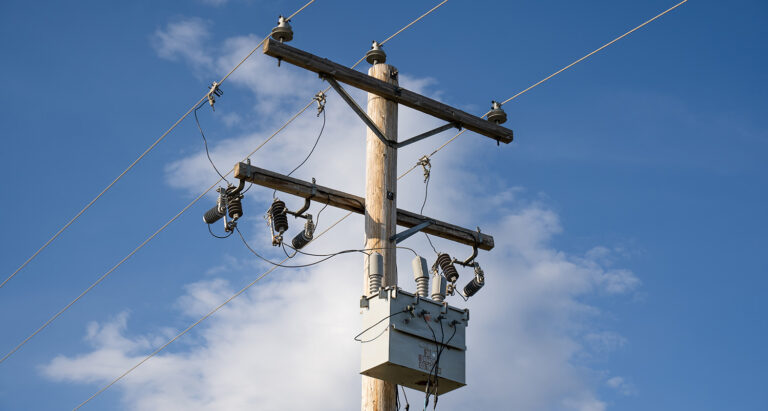
Kenya Pipeline Company is a key player in the country’s energy sector, managing storage and transportation of petroleum products across the region. Its pipelines stretch from Mombasa to Kisumu, Eldoret, and Nairobi, making it critical to both local supply and regional trade.
Privatising KPC would mark one of the boldest moves in Kenya’s ongoing privatisation drive. The government has already lined up more than 10 parastatals for sale, aiming to raise billions of shillings to support budgetary needs and reduce reliance on borrowing.
Raila said the sale should not be viewed as a betrayal of national pride but as a practical solution to Kenya’s fiscal challenges.
“The infrastructure is not going anywhere. Kenya still owns the land and the pipelines. What changes is how it is managed and financed,” he told MPs.
Read More: Robert Makokha: The fiery Bunge leader targeting Arama in 2027
Looking ahead
With the 2027 elections approaching, Raila’s remarks are likely to shape debate within ODM and beyond. While some of his allies support the government’s privatisation agenda, others remain sceptical, reflecting divisions over the balance between sovereignty and economic reform.
Still, Raila maintained that the conversation must focus on the bigger picture—how Kenya can secure resources for development without overburdening citizens with debt.
“Privatisation, if done transparently and strategically, will give us the resources we need without mortgaging our future,” he said.
At just under two years before polls, Raila’s backing of privatisation sets the stage for heated debate, not just about KPC, but also the future of state corporations in Kenya’s economy.


About the Author