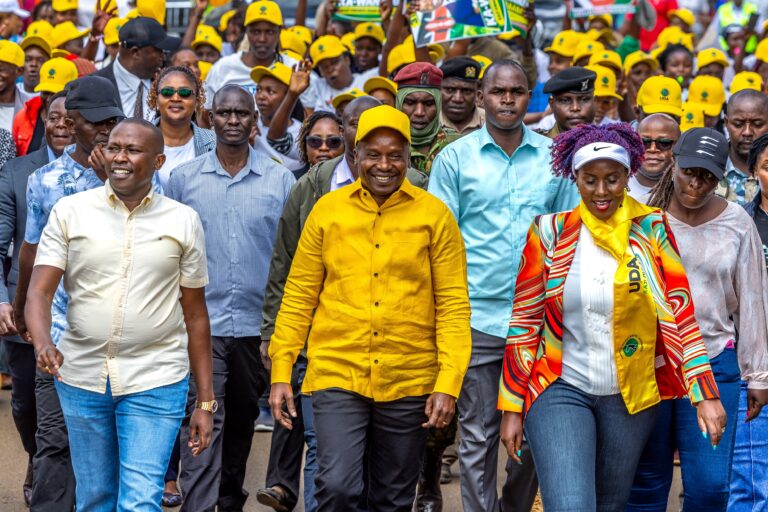
Fomer Bomet MP Issaac Ruto. Photo/Issaac Ruto
By Newsflash Repoter
As the 2027 general election nears, Bomet county is shaping up as one of the Rift Valley’s most contested battlegrounds. Governor Hillary Barchok is serving his final term, leaving the race wide open in a region long defined by shifting alliances and power struggles.
Since 2017, Bomet has been the epicenter of rivalry between President William Ruto and former governor Isaac Rutto. Once a dominant figure in South Rift politics, Rutto fell out with President Ruto during the Jubilee era and suffered defeats in both 2017 and 2022.
Now reconciled with the president and having folded his Chama Cha Mashinani party, Rutto is making a comeback bid. He has been attending church services and community fundraisers while openly declaring his intention to run on the UDA ticket. His supporters hail his experience, but critics argue he represents old politics struggling to remain relevant.
Youthful energy and party dynamics
Konoin MP Brighton Yegon has emerged as a strong challenger. Known for his vocal support of tea farmers and his record in managing constituency projects, Yegon appeals to younger voters who make up the majority of Bomet’s electorate. His proximity to UDA’s inner circle has positioned him as a potential establishment candidate, though his reluctance to formally declare has fueled speculation about his strategy.
Political observers note that generational appeal and grassroots presence could be decisive in a county where voter demographics are shifting rapidly. Yegon’s energy and reformist posture may resonate with a restless electorate seeking new leadership.
Read More: Gachagua: Ruto has revived Pentagon to sideline Mt Kenya in ’27
Wealth and outsider appeal
Adding another dimension is Nairobi-based businessman Michael Bongei, popularly known as “Mr Money Bags.” He has invested heavily in community initiatives and empowerment programs, unsettling traditional politicians who initially dismissed him.
His supporters describe him as a development-focused outsider free of political baggage. Critics, however, question whether his philanthropy-driven campaign can withstand the pressures of a prolonged electoral season. Bongei’s candidacy highlights the rising influence of wealthy newcomers in county politics, where financial resources can reshape voter expectations.
Read More: Raila: No deal yet on Ruto’s 2027 re-election bid
Veteran resilience
Also expected in the race is Julius Kones, a former Konoin MP and parastatal leader. Having contested and lost the governor’s seat twice, Kones retains pockets of support but faces an uphill task in consolidating his base amid a crowded field. His measured style of politics appeals to moderates, but analysts suggest he may struggle against candidates offering either youthful dynamism or outsized financial muscle.
The stakes in Bomet go beyond the governorship itself. The outcome will reflect whether voters reward political experience, embrace generational change, or rally behind deep-pocketed newcomers. It will also test the strength of party machinery and state alignment in a region that has historically mirrored national power trends.
For now, the contest remains fluid. What is clear is that Bomet is once again set to host one of the most gripping political showdowns in the South Rift, where history, money, and ambition will collide as 2027 approaches.


About the Author