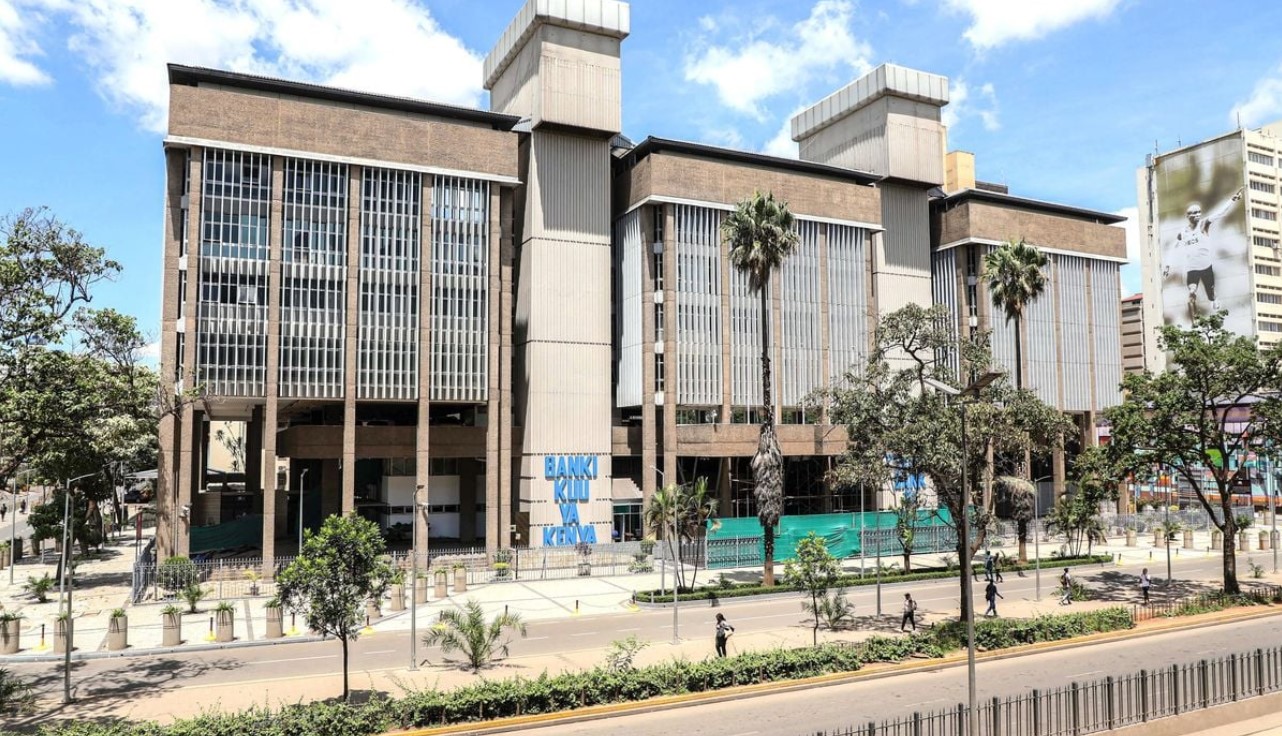
The Central Bank of Kenya in Nairobi. Photo/Handout
By Newsflash Writer
The Central Bank of Kenya (CBK) has retained the Central Bank Rate (CBR) at 8.75 percent, citing stable inflation, improved economic growth and the need to maintain exchange rate stability.
The decision was made by the Monetary Policy Committee (MPC) during its meeting on August 11, 2026, after reviewing developments in the global and domestic economies.
The Committee said Kenya’s overall inflation remained within the target range in July, although it edged up marginally to 6.5 percent from 6.4 percent in June.
Core inflation also remained relatively stable, rising slightly to 3.2 percent from 3.1 percent during the same period.
Non-core inflation declined marginally to 15 percent in July from 15.1 percent in June, supported by lower energy prices. The CBK attributed the decline partly to Government interventions, including subsidies and a temporary reduction of VAT on fuel.
Global risks weigh on outlook
The MPC, however, raised concerns over developments in the global economy, particularly the impact of the conflict in the Middle East on energy prices, inflation and economic growth.
Global economic growth is projected to moderate to 3 percent in 2026 from 3.5 percent in 2025, while global inflation is expected to rise to 4.7 percent from 4.1 percent.
The CBK said higher energy and transport costs, elevated trade policy uncertainty and the Russia-Ukraine conflict remained key risks to the global outlook.
Read more: CBK lifts moratorium on licensing new commercial banks
In Kenya, food inflation remained elevated due to higher prices of vegetables, including Irish potatoes, tomatoes, kales, cabbages and onions.
The MPC said inflation is expected to remain within the target range in the near term, assuming the Middle East conflict de-escalates. It said this outlook would be supported by appropriate monetary policy, Government interventions, expected stability in food prices and a stable exchange rate.
The Kenyan economy recorded stronger growth in the first quarter of 2026, expanding by 5.3 percent compared with 4.9 percent during the same quarter in 2025.
The growth was broad-based across sectors, with particularly strong performance in industry and services.
The CBK projects economic growth of 4.9 percent in 2026 and 5.3 percent in 2027, compared with 4.6 percent in 2025. However, it warned that the projections remain subject to risks arising from a prolonged Middle East conflict, trade policy uncertainties and a possible El Niño weather phenomenon.
Credit growth strengthens
The MPC also noted sustained optimism among businesses regarding economic activity and growth over the next 12 months.
The optimism was attributed to macroeconomic stability, Government support for agriculture, favourable weather prospects, increased infrastructure spending, digital innovation, a stable exchange rate and improved private sector credit growth.
Commercial banks’ lending to the private sector grew by 10.2 percent in July, compared with 10.6 percent in June. Average lending rates declined to 14.3 percent in July from 14.4 percent in June and 17.2 percent in November 2024.
Read more: How CBK awarded Sh14.5bn currency printing deal in secrecy
The banking sector remained stable, with the ratio of gross non-performing loans to gross loans falling to 14.6 percent in July from 15.4 percent in April and 17.6 percent in August 2025.
Meanwhile, CBK foreign exchange reserves stood at $15.249 billion, equivalent to 6.3 months of import cover, providing a buffer against domestic and external shocks.
The MPC said retaining the CBR at 8.75 percent was appropriate to keep inflation expectations anchored within the target range and support exchange rate stability.
The Committee said it would continue monitoring global oil prices, possible second-round effects on inflation and other domestic and international developments.
The MPC is scheduled to meet again in October 2026.


About the Author