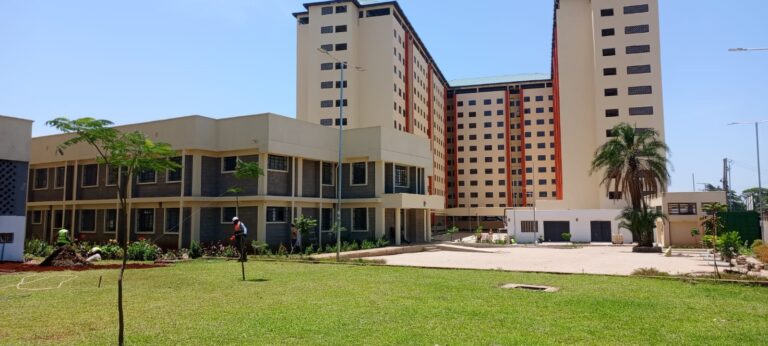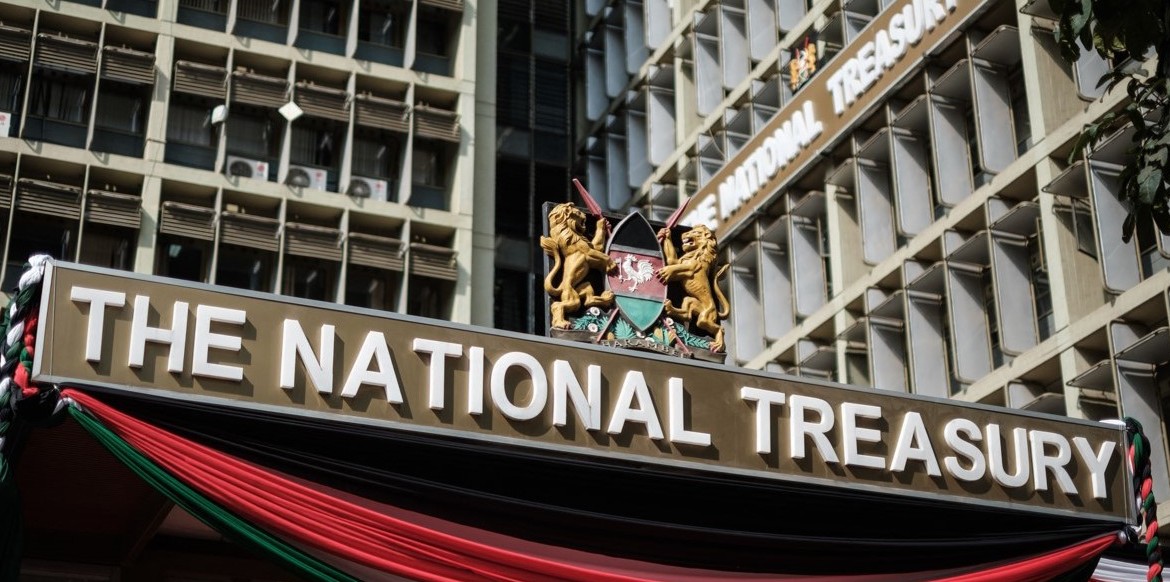
The National Treasury. Photo/National Treasury
By Newsflash Team
The World Bank Group has suspended the disbursement of a Sh96.93 billion ($750 million) loan to Kenya due to delays in implementing key reforms, including the enactment of the long-awaited Conflict of Interest Bill aimed at curbing graft among public officials and politicians.
The loan, originally expected in July following an earlier delay, was to be issued under the Development Policy Operations (DPO) programme. This funding instrument ties lending to a government’s commitment to reform measures that improve governance and create fiscal room.
Reform commitments stall as Senate blocks bill
Aside from the Conflict of Interest Bill, Kenya had pledged to consolidate public finances under a single treasury account and automate government procurement systems. These reforms are intended to eliminate insider dealings, bid-fixing, and collusion in state contracts.
The National Treasury had factored in the World Bank funding in the current financial year, starting July, but did not account for additional support from the International Monetary Fund (IMF). The funding delay could force the government to resort to fresh borrowing or adjust spending plans to bridge the budget deficit.
According to the World Bank, disbursement hinges on Kenya meeting all agreed “prior actions” under the DPO framework, which disbursed Sh155 billion ($1.2 billion) last year as a first tranche.
“Development policy operations (DPOs) are contingent on the completion of prior actions and an adequate macroeconomic and fiscal policy framework,” said Qimiao Fan, the World Bank’s director for Kenya, Rwanda, Somalia, and Uganda.
Read more: Matiang’i quits World Bank job to focus on 2027
“We are continuing to prepare the second operation, and the timing of its presentation to our board depends on the government fulfilling the agreed prior actions and maintaining a sound macroeconomic policy framework,” he added.
Kenya’s Treasury had anticipated the release of the funds after the National Assembly passed an amended version of the Conflict of Interest Bill. The law seeks to raise standards of accountability, transparency, and anti-corruption in the public sector.
However, President William Ruto declined to sign the Bill in June, objecting to 12 clauses he said diluted its integrity. Among them was a provision permitting public officers to accept gifts while on duty. He returned the Bill to the National Assembly with recommendations, which MPs adopted—only for the Senate to reject the revisions.
The Senate struck out clauses barring public officials from bidding for state tenders and requiring regular wealth declarations—including that of spouses and children—to combat illicit wealth accumulation.
Graft Bill, IMF exit create budget hole
Over the years, senior officials such as governors, ministers, and MPs have faced graft charges tied to manipulation of multi-billion-shilling tenders. President Ruto’s Cabinet had approved the Bill with sweeping restrictions to bar state officers from profiteering through government business—a vice that has created overnight millionaires despite modest official salaries.
Other reform conditions Kenya is yet to fulfil include improved public spending transparency and efficiency in delivery of social protection services.
The Treasury did not comment on the World Bank’s decision. But speaking in Parliament in early June, Treasury Cabinet Secretary John Mbadi admitted: “The World Bank funding appears to have been pushed to July because critical laws tied to its release were delayed. The Conflict of Interest Bill was pivotal, and once resolved, there wasn’t enough time to present it to the board. We are now facing a Sh97 billion shortfall that I hadn’t anticipated.”
Despite the setback, Kenya plans to intensify reliance on the World Bank, targeting annual programme loans of Sh170.5 billion over the next four years, up from Sh129 billion in the just-ended fiscal year.
Read more: Bank loses Sh517 million in cyber heist linked to IT contractors
World Bank loans are generally long-term and carry fewer conditions compared to IMF loans, which are short- to medium-term and focus on economic stabilization. After COVID-19, the IMF imposed stringent requirements including tax hikes, deficit reductions, and reforms of state corporations.
Kenya’s relationship with the IMF has frayed, with no new funds projected over the next four financial years. The previous IMF programme lapsed after Kenya failed to meet 11 reform conditions, including restructuring national carrier Kenya Airways and reviewing fuel levy collections.
As a result, the country forfeited Sh63.3 billion ($490 million) in IMF funding in the last fiscal year. Kenya has since requested a fresh programme and is in talks with the IMF over possible new financing.
Top News Snapshot
- Programme Loans (Sh bn)
2022/23: WB – 138.9 | IMF – 82.8
2023/24: WB – 154.1 | IMF – 135.1
2024/25-Suppl.2: WB – 129.8 | IMF – 50.2
2025/26-2028/29: WB – 170.5 annually | IMF – 0 - IMF & World Bank exposure (as of March 2025): $16 billion
- KPLC Energy Purchase from REREC Garissa Solar (2023/24): Sh674.94 million
- World Bank freeze: Sh96.93 billion due to reform delays
- Treasury CS: John Mbadi


About the Author