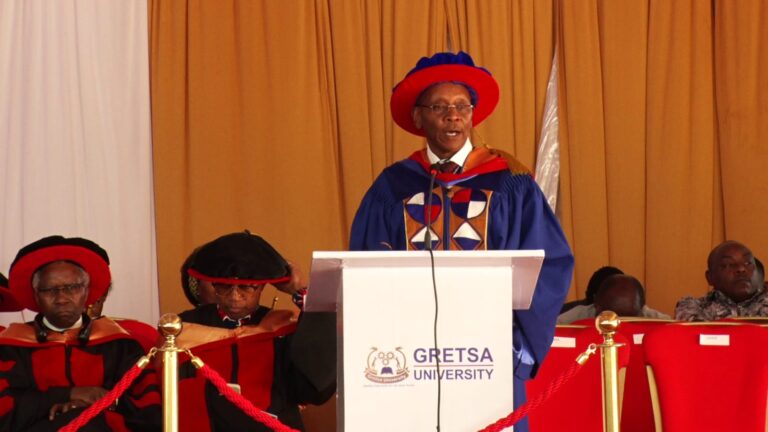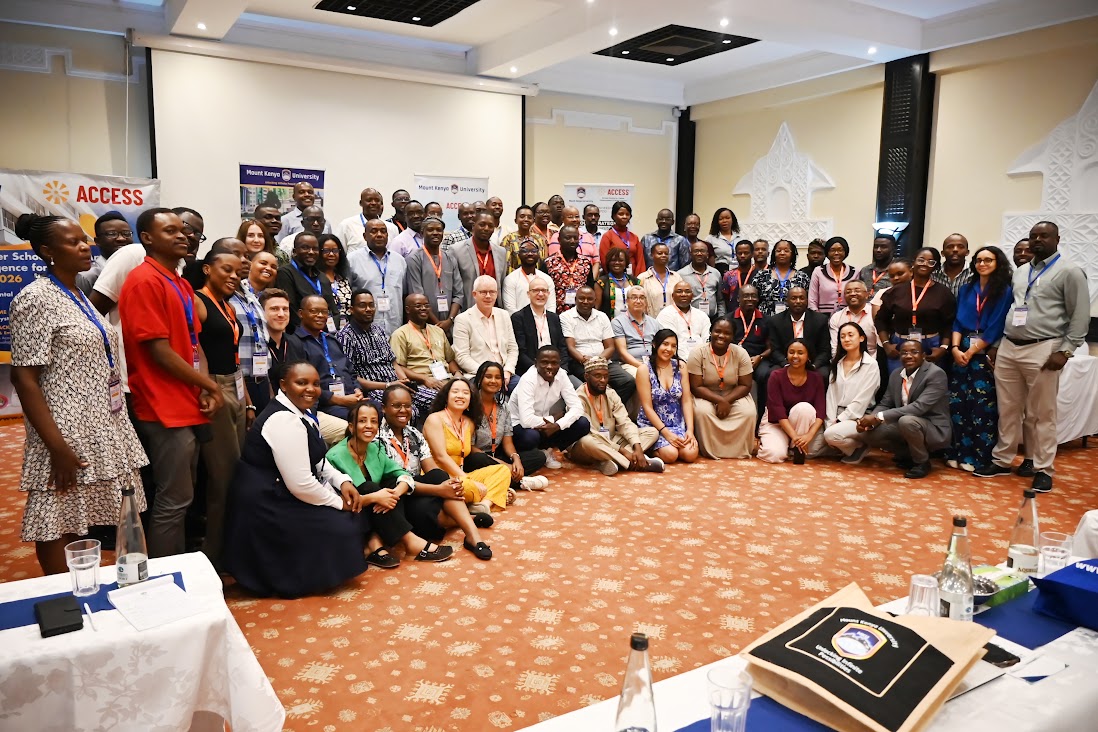
Some of the delegates who attended the Access Ideas Summer School hosted by MKU in Mombasa earlier this week. Photo/Courtesy
By Lawrence Ongaro
Universities have been challenged to measure innovation programmes by the businesses created, jobs generated and communities transformed rather than the number of conferences and training sessions they organise.
Mount Kenya University (MKU) Vice-Chancellor Prof Deogratius Jaganyi said institutions must demonstrate the impact of their initiatives as they seek to address unemployment and support enterprise development across Africa.
“The real measure of our success is not the number of conferences we hold, the number of boot camps we organise or the number of participants who attend our programmes. The real measure of success is the difference we make in people’s lives,” he said in remarks delivered by Deputy Vice-Chancellor Prof Peter Kirira.
Jaganyi spoke as MKU hosted two international engagements in Mombasa: the ACCESS 2.0 International Summer School, held from November 5 to 13, and the International Intelligence for Innovation (IN4IN) Conference, held on November 12 and 13.
The events brought together students, academics and industry partners from eight African countries and Germany.
ACCESS 2.0 is backed by a €4.5 million (about Sh656 million) grant from the German Academic Exchange Service (DAAD), with support from Germany’s Federal Ministry for Economic Cooperation and Development.
Jaganyi urged universities to track businesses established, jobs created and young entrepreneurs supported, and called for impact studies.
He cited MKU’s Graduate Enterprise Academy, established in 2013, as part of the university’s efforts to mentor young entrepreneurs across East Africa.
Universities as innovation hubs
Opening the IN4IN conference, MKU Pro-Chancellor Dr Vincent Gaitho said universities must move beyond teaching to become centres of knowledge creation, innovation and entrepreneurship.
He said technological change and climate pressures required graduates to have critical thinking, creativity, digital skills and problem-solving abilities.
“Education must equip graduates with both qualifications and critical thinking, creativity, digital competencies, problem-solving abilities and an entrepreneurial mindset,” Gaitho said.
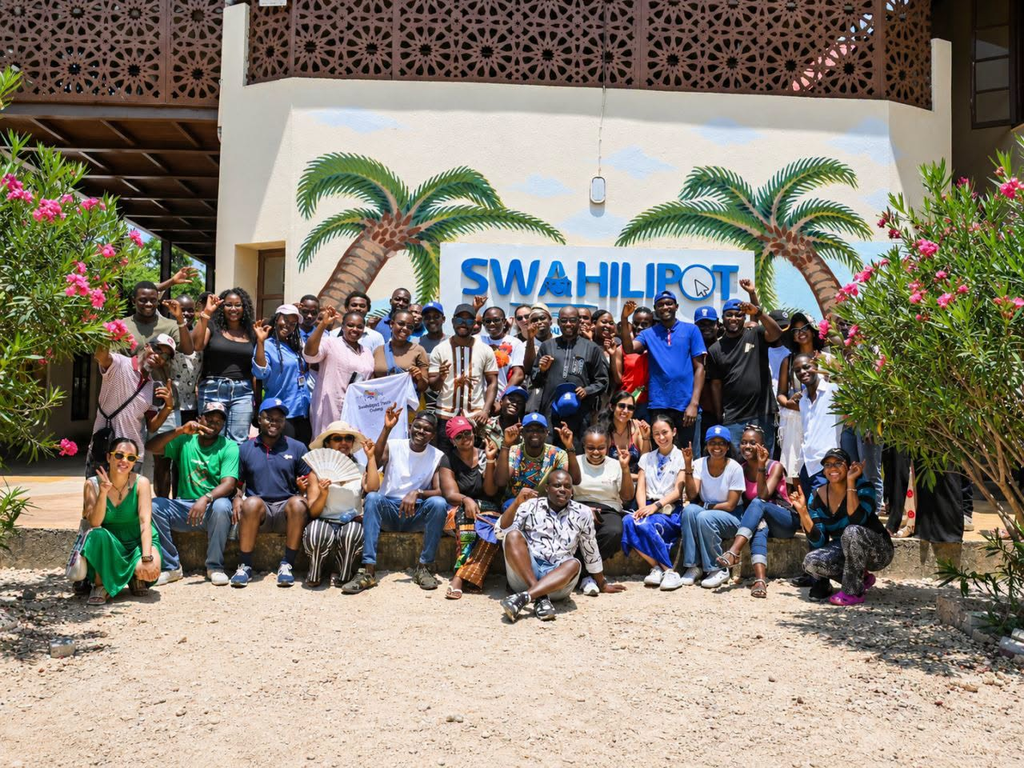
Some of the delegates who attended the Access Ideas Summer School hosted by MKU in Mombasa earlier this week during a visit to Swahili Pot Hub, a youth talent empowerment centre. Photo/Courtesy
He urged institutions to ensure industry partnerships went beyond signing memoranda of understanding to deliver joint research, technology transfer, industrial attachment and commercialisation of ideas.
In a keynote address, Leipzig University’s Prof Utz Dornberger presented university living labs as a way of connecting academic knowledge with business and community challenges.
Read more: MKU Chancellor challenges fresh graduates to drive change
He described living labs as innovation environments where universities, businesses, government and civil society identify problems, develop solutions and test them in practical settings.
Dornberger said the model could support smart farming, logistics and digital education. He outlined a Process Living Lab Africa programme to help startups improve operations as they expand.
Turning research into solutions
Dr Charity Musembi, speaking on behalf of the National Commission for Science, Technology and Innovation chief executive, said 87 per cent of licensed research was postgraduate work that was rarely commercialised, while nearly six million of Kenya’s 7.4 million micro, small and medium enterprises operated informally.
“Research must deliver usable tools and process innovation,” she said.
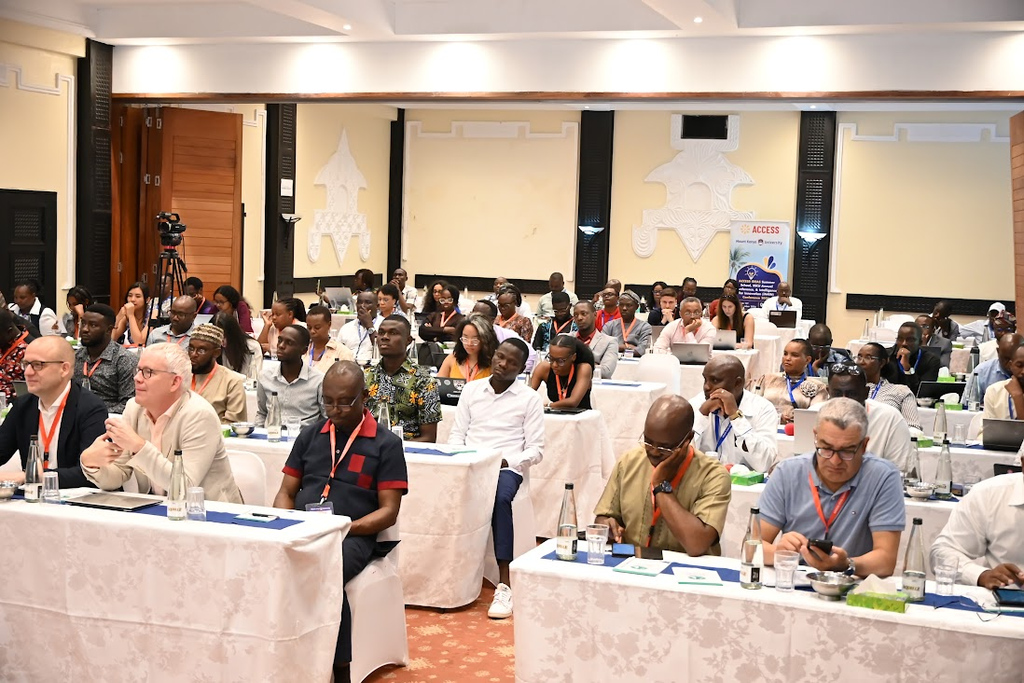
Delegates who attended the ACCESS Ideas Summer School hosted by MKU in Mombasa earlier this week. Photo/Courtesy
MKU’s Dr Henry Yatich presented a Problem-Based Service Learning model that pairs students with local businesses to solve operational challenges. He said 24 students had consulted businesses, while the Kenya Private Sector Alliance had committed to onboarding 102 enterprises.
Read more: MKU wins global awards in China and America
The summer school featured student business ideas, including Tengabiz, an application developed by MKU student Rose Brenda Gathoni to help small businesses separate revenue for operations, savings and profit, while assessing loan readiness.
Participants visited MKU’s Maritime Academy in Malindi, touring training facilities including a full-mission bridge simulator used to prepare seafarers for ship navigation and bridge operations.
The 2025–2029 ACCESS 2.0 partnership, led by Leipzig University, aims to strengthen employability, research and university-business partnerships.
The programme also supports early-career researchers and promotes joint curricula and innovation hubs.

Delegates enjoy a moment by the ocean during a visit to Swahili Pot Hub in Mombasa. Photo/Courtesy


About the Author