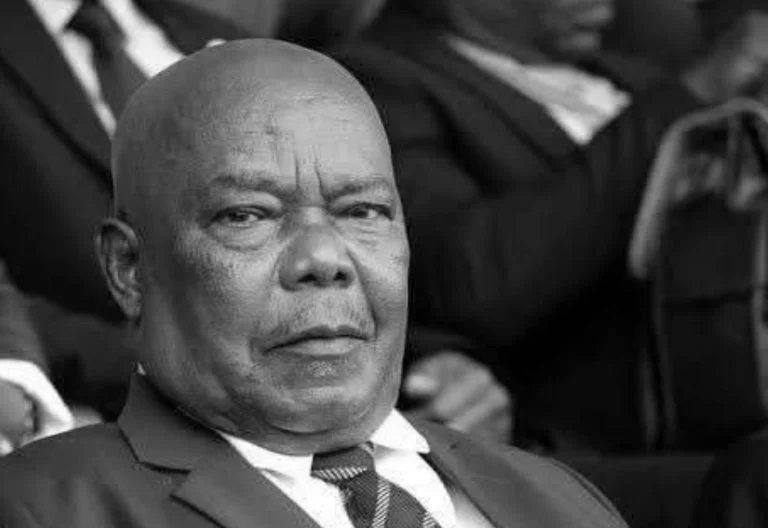
South Sudan vice president Riek Machar. Photo/Courtesy
By Daisy Okiring
South Sudan’s Vice President Riek Machar has been formally charged with murder, treason, and crimes against humanity in connection with a brutal attack on a military base that left more than 250 soldiers dead. The announcement, made by Justice Minister Joseph Geng Akech on Thursday, marks a dramatic escalation in tensions within the fragile power-sharing government between President Salva Kiir and Machar.
The charges stem from a March assault carried out by the White Army, a militia largely drawn from Machar’s Nuer ethnic community, on a military base in Nasir County, Upper Nile State. The assault, which took place between March 3 and 7, saw government forces overwhelmed, several senior officers—including a general—killed, and a United Nations helicopter targeted, resulting in the death of a pilot.
“This case sends a clear message: those who commit atrocities against the people of South Sudan, against our armed forces, and against humanitarian personnel will be held accountable, no matter their position or political influence,” the minister said.
Government points to atrocities and humanitarian violations
According to the Justice Ministry, Machar and 20 others are accused not only of orchestrating the attack but also of gross violations of international law. These include desecration of corpses, persecution of civilians, and attacks on humanitarian workers in violation of the Geneva Conventions.
Read More: Nepal protests: 19 killed as Gen Z storm parliament over social media ban
The UN Mission in South Sudan (UNMISS), which has maintained a peace-building presence in the country, previously described the incident as an “alarming regression” that could erase years of hard-won progress.
For months, President Kiir had been consolidating power while sidelining Machar, who was placed under house arrest shortly after the attack. Many of Machar’s allies have also been detained, further destabilizing the delicate coalition formed after years of conflict.
Fragile peace at risk as political rift deepens
South Sudan, which gained independence from Sudan in 2011, has been plagued by instability. A five-year civil war between Kiir and Machar left an estimated 400,000 people dead before a peace deal was signed in 2018. However, attempts at democratic transition have repeatedly faltered.
Read More: Joseph Kabila treason trial deepens DRC’s political uncertainty
Elections scheduled for December 2024 were postponed by two years, deepening frustrations among citizens and the international community. The latest charges against Machar are likely to further fracture the government’s already tenuous unity.
Observers warn that the indictment could mark the beginning of renewed conflict in a nation still reeling from war, displacement, and economic collapse. For now, the government insists that justice must take precedence.


About the Author