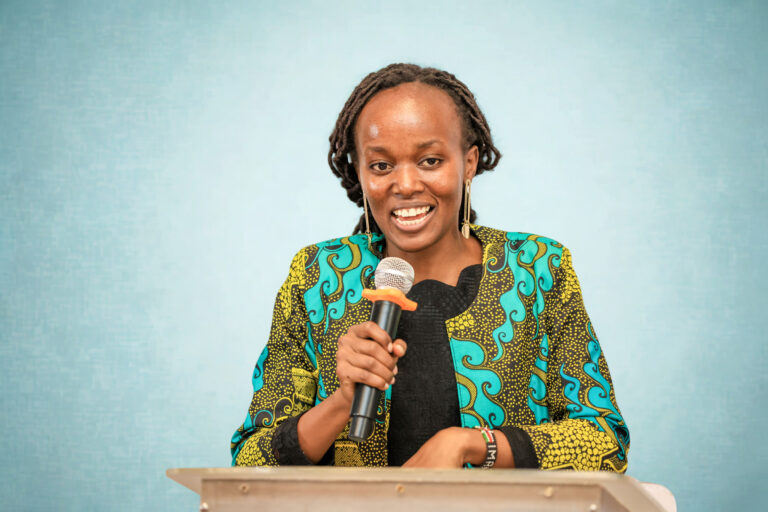
Beryl Achieng Odinga with his brother Raila Odinga duriing a past family event. (Courtesy: Raila Odinga/Facebook)
By Daisy Okiring
As tributes continue to flow following the death of Beryl Achieng Odinga, new details are emerging about the woman who spent decades deliberately living outside the political glare associated with the Odinga family. Her passing, which comes just weeks after the death of her brother, former prime minister Raila Odinga, has prompted a deeper look into the life she rarely allowed the public to see.
Though she was the youngest in one of Kenya’s most politically influential families, Beryl built her life on a different path—one defined by professional discipline, quiet resilience and a firm reluctance to be drawn into the political theatre that shaped the legacy of her father, Jaramogi Oginga Odinga, and her siblings.
A private life in a public family
Beryl was born into a household where political conversations were not just frequent but defining. Yet unlike her brothers Raila, Oburu and the late Oginga Jr., she chose a life that placed her firmly outside the realm of rallies, party structures and the combative politics of her time.
Family members often described her as intensely private, a trait she maintained even when her siblings occupied national leadership roles. Friends who knew her say that Beryl was deeply supportive of her family but also determined to carve her own identity away from their struggles, victories and controversies.
Her preference for privacy may explain why much of her life remained unknown to the public until after her death.

Academic path shaped by resistance and determination
Beryl was the only one among Jaramogi’s children who pursued her entire education in Kenya. While her siblings studied abroad, she often said she wanted to experience local institutions and build a career grounded in her own community.
During a 2023 event marking Senator Oburu Oginga’s birthday, she revealed details many Kenyans had not heard before. She studied at a local university at the same time as Wiper party leader Kalonzo Musyoka and Kisumu governor Anyang’ Nyong’o. The revelation surprised many, considering that she rarely appeared in political spaces where these leaders operated.
Although the Odinga family expected most of their children to pursue science or mathematics, Beryl struggled through the academic pressure. Jaramogi preferred mathematics, but Oburu pushed her toward law, believing she had the precision and temperament to succeed. She later admitted law was difficult, but she was determined to finish the course.
Read More: IEBC to Gachagua: Present us your evidence
A career that crossed borders
Away from Kenya’s political spotlight, Beryl built a professional résumé that was both impressive and historically significant.
She worked as a teacher before transitioning into administration and public service. In Zimbabwe, she made history when she was appointed the first Black town clerk of Mutare, the country’s third-largest city. The appointment placed her at a critical administrative level, steering operations at a time when leadership positions in the region were still heavily racialised.
Her tenure in Mutare was marked by reforms in urban planning, water management and administrative restructuring. Colleagues described her as firm but fair, a profile consistent with her quiet yet disciplined demeanor.
Upon returning to Kenya, she maintained a low profile until 2020 when she was appointed chairperson of the Nairobi Water and Sewerage Company. The role placed her in charge of one of the most critical public utilities in the capital, though she continued to avoid the political exposure that often accompanies such appointments.
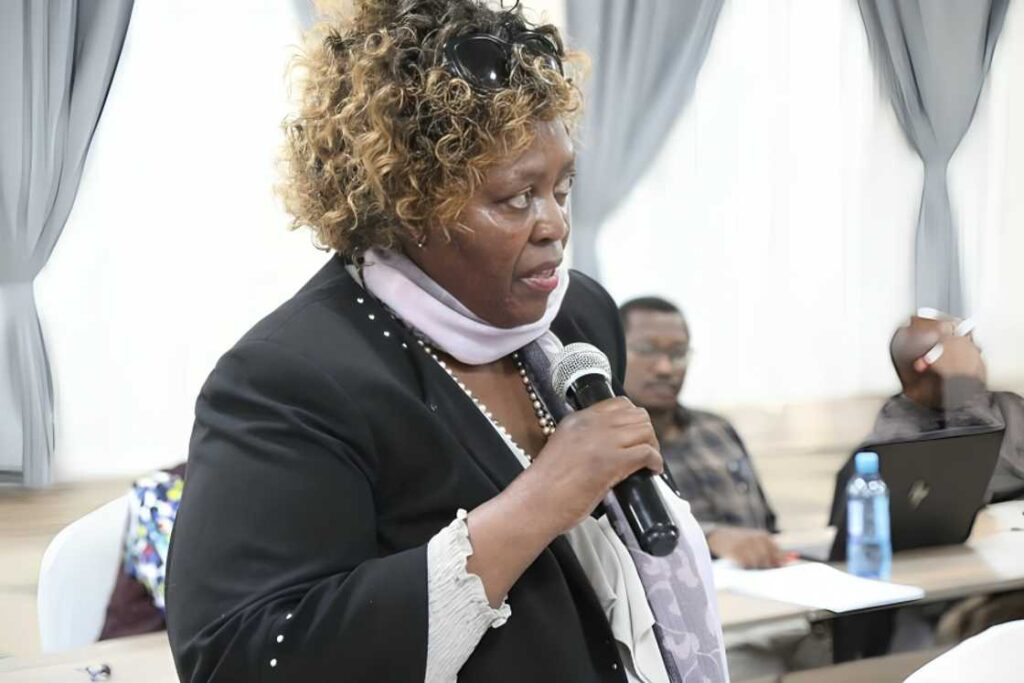
A painful marriage and longstanding family tensions
Away from her professional achievements, Beryl’s personal life carried shadows that were seldom discussed publicly.
In 1974, she married Otieno Ambala, a well-known businessman who later joined politics. Their relationship was troubled from the beginning. Beryl’s father, Jaramogi, disapproved of the marriage over reasons that were never fully disclosed, though family sources linked it to political disagreements and concerns about Ambala’s character.
Raila Odinga later wrote about the relationship in his 2013 autobiography The Flame of Freedom, referring to the marriage as difficult and emotionally draining for his sister. According to his account, Beryl endured an abusive relationship marked by domestic violence and emotional manipulation.
Ambala was later jailed at Kodiaga Prison in Kisumu, where he died of a heart attack in 1985. Raila suggested in his book that Ambala may have attempted to elevate himself politically using the Odinga name, a move that deepened rifts within the family.
Beryl rarely spoke publicly about the marriage, choosing silence over publicity even when asked. Friends say her reluctance stemmed from a desire to avoid turning private trauma into public discussion, particularly because her family was already under intense political scrutiny.
Read Moree: Muturi accuses UDA of voter bribery, intimidation in Mbeere North
Leadership away from the limelight
Those who worked with her at Nairobi Water described her as methodical, direct and highly ethical. Unlike many public officials who actively engage with the media, she avoided cameras and interviews, preferring to work from boardrooms and technical meetings.
Her leadership style mirrored her personality: firm, understated and focused on service rather than visibility.
In one of her rare public remarks, she stated simply, “I don’t indulge in politics,” a line that summed up her approach to both work and family expectations.
A quieter legacy in a loud political dynasty
The Odinga family legacy is synonymous with political battles, national debates and decades-long leadership. Yet within that legacy, Beryl represented a different kind of influence — one built on professionalism, education and administrative service rather than public mobilisation.
Her death has sparked conversations about the often-overlooked roles played by family members who live outside the limelight yet contribute meaningfully to institutions in Kenya and beyond.
Relatives say she remained close to her siblings despite avoiding public politics. Her presence at family functions was frequent, but she rarely spoke publicly or gave interviews.

Final days and tributes
Beryl passed away in Nairobi after a period of illness. Kisumu Woman Representative Ruth Odinga confirmed the death, describing her as a pillar within the family and a source of quiet strength.
For many Kenyans, her story remained unknown until now — a reflection of her lifelong preference for privacy. Her accomplishments, struggles and determination paint a portrait of a woman who navigated deeply personal challenges while excelling professionally across borders.
As the Odinga family prepares to lay her to rest, Kenyans are learning more about the life she rarely showed, the battles she fought quietly and the legacy she leaves behind.


About the Author