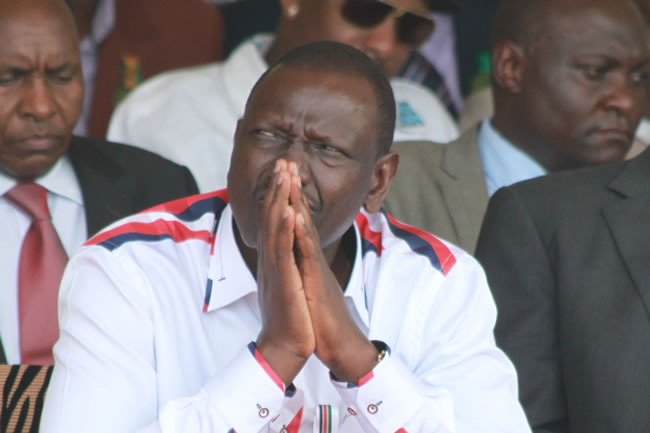
President William Ruto. Photo/Handout
By Newsflash Correspondent
The High Court has ruled that President William Ruto’s move to appoint 21 advisers last year was unconstitutional, delivering another legal setback to the Head of State.
In a judgment delivered on Thursday, December 22, Justice Bahati Mwamuye issued conservatory orders stopping the government from paying salaries, allowances or any other benefits to the affected advisers.
The court found that the appointments were effected without seeking the advice of the Salaries and Remuneration Commission, particularly on their financial and budgetary implications. As a result of the ruling, all 21 presidential advisers are deemed to have vacated office with immediate effect.
Violation of constitutional procedures
Justice Mwamuye held that the process used to create and fill the advisory positions breached both the letter and spirit of the 2010 Constitution. He noted that the President bypassed the constitutional mandate of the Public Service Commission (PSC).
Read more: Makau Mutua lands top State appointment in Ruto government
“The process violated the express letter and undermining spirit of the 2010 Constitution by bypassing the substantive, independent recommendatory role of the Public Service Commission under Article 132(4)(a),” Mwamuye stated.
He further observed that the Executive failed to meet the strict legal thresholds required when creating public offices. “The appointments also failed to comply with the mandatory conditions for establishing public offices under Sections 27 and 30 of the Public Service Commission Act, 2017,” the judge added.
Controversial appointments under scrutiny
President Ruto named the advisers in May 2025, drawing sharp public criticism and debate. Among those appointed were well-known personalities such as economist David Ndii, former Cabinet Secretary Monica Juma, scholar Makau Mutua, and Jaoko Oburu, the son of Siaya Senator Oburu Odinga.
According to the court, the manner in which the advisers were recruited violated core public service principles, including transparency, fair competition and merit. The appointments also failed to satisfy constitutional requirements governing the establishment of public offices.
Mwamuye directed the Public Service Commission to conduct a thorough audit of all offices created within the public service under the Executive Office of the President. The PSC has been given 90 days to determine whether such offices comply with constitutional and statutory standards.
Katiba Institute petition succeeds
The decision followed a petition filed in 2025 by the Katiba Institute, which challenged the legality of the appointments and cited lack of public participation.
“The High Court has allowed our petition in a judgment declaring the creation and staffing of the Offices of Advisors to the President unconstitutional,” the institute said after the ruling.
Read more: Questions as Kuria resigns as Ruto’s Economic Advisor
It added that the court reaffirmed that executive authority must be exercised strictly within the confines of the Constitution and the Public Service Commission framework, and in accordance with values of transparency, merit, fiscal prudence and public participation.
Justice Mwamuye noted that the Attorney General, Dorcas Oduor, retains the right to contest the ruling by filing an appeal at the Court of Appeal.


About the Author