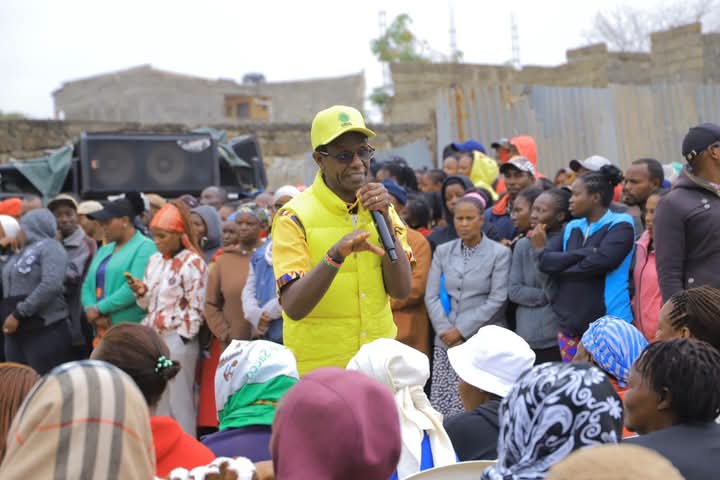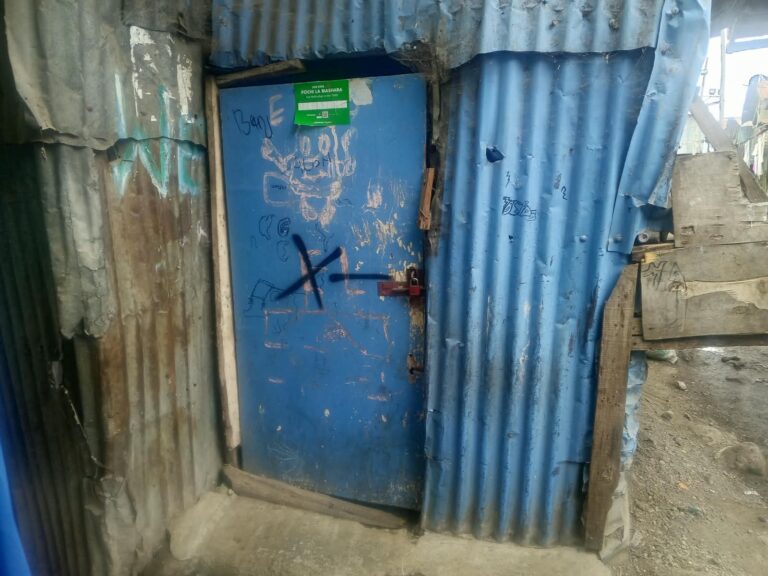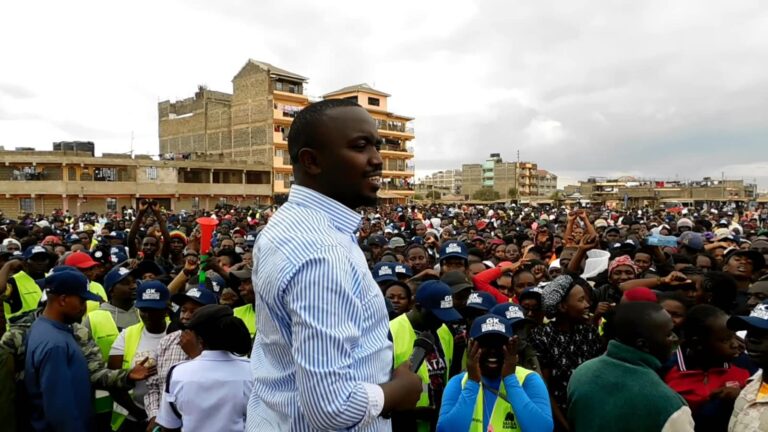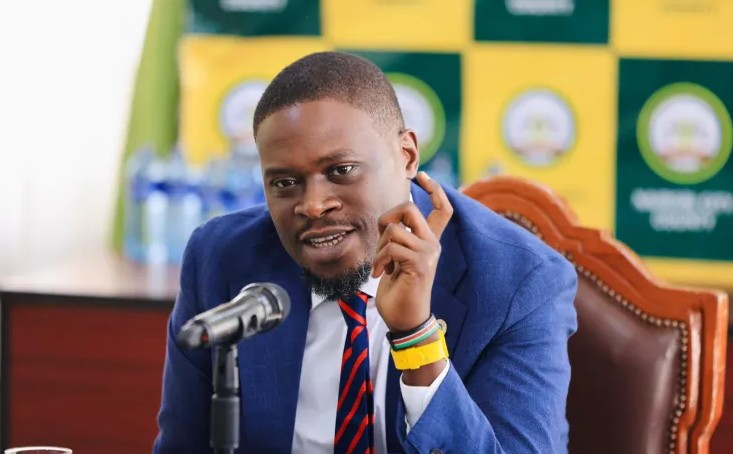
Nairobi Governor Johnson Sakaja. Photo/KBC Digital
NAIROBI, Kenya – July 24, 2025 – Nairobi Governor Johnson Sakaja is facing intense scrutiny and mounting public pressure after a damning audit report laid bare the dire financial state of the Nairobi City Water and Sewerage Company (NCWSC).
The report, presented before the Senate County Public Investments and Special Funds Committee this week, paints a grim picture of pervasive inefficiencies, staggering water losses, and an alarming accumulation of uncollected debts, raising serious questions about the management of the city’s vital water resources.
According to the Auditor-General’s findings for the financial year ending June 2024, a colossal 51 percent of water produced by NCWSC, valued at an estimated KSh 8.6 billion annually, is classified as non-revenue water. This significant loss is attributed to a combination of dilapidated infrastructure, leakages, and widespread unbilled consumption or outright theft.
Furthermore, the audit flagged a staggering KSh 11 billion in uncollected debts, with a substantial portion of these receivables outstanding for over 480 days. This includes significant amounts owed by public institutions, notably Kiambu County (KSh 550 million), the military (KSh 109 million), and prison services, as well as public schools facing budgetary constraints. Senators, led by Committee Chair Godfrey Osotsi, expressed outrage, demanding a concrete recovery plan from the Governor.
Accusations and defenses: A blame game unfolds
During his appearance before the Senate committee, Governor Sakaja acknowledged the challenges but largely attributed the financial woes to a “legacy system” and “antiquated pipes” inherited from previous administrations. He asserted that his government is actively working to address the issues, highlighting an allocation of KSh 9.2 billion in the 2024/2025 budget specifically for leak detection, pipeline rehabilitation, and meter sealing.
“We inherited antiquated pipes and deferred capital works,” Sakaja stated, emphasizing ongoing efforts to fix the long-standing problems. He also pointed to efforts in setting up new revenue zones and launching a GIS billing platform to improve collection.
However, senators remained unconvinced, questioning the efficacy of the measures taken thus far. Nairobi Senator Edwin Sifuna specifically pressed the Governor on the KSh 11 billion in overdue receivables, stating, “Demand letters alone won’t cut it. Where is the recovery plan?”
The audit also revealed that over 112,000 customer accounts were billed using estimates, with more than 15,000 estimated consecutively for over six months – a practice flagged as a potential red flag for negligence or manipulation. NCWSC management, represented by Managing Director Eng. Nahashon Muguna, blamed inaccessible meters due to locked gates and even “guard dogs,” a response that drew skepticism from the committee.
The paradox of revenue growth amidst losses
Adding a perplexing layer to the financial crisis, recent reports from early July 2025 indicated that Nairobi Water had recorded its highest-ever annual revenue collection, hitting KSh 11.7 billion for the 2024/2025 financial year. Governor Sakaja had celebrated this as a significant turnaround from previous years, attributing it to improved systems and digitization.
However, the current audit report throws a stark light on the fact that despite increased revenue, the company’s financial health remains precarious dueiled by massive losses and uncollected dues. The Auditor-General warned that while revenues have grown, poor debt recovery and inefficiencies have left the utility in a negative working capital position, essentially sinking it.
Calls for urgent reforms
The ongoing revelations have amplified calls for drastic reforms at NCWSC. Senators have urged the utility to expedite the implementation of modern solutions, including smart meter technology, to curb non-revenue water and ensure accurate billing. The high cost of smart meters (KSh 15,000 per unit compared to KSh 3,500 for ordinary meters) was cited as a barrier, but senators countered that the long-term revenue losses far outweigh this initial investment.
The financial meltdown at Nairobi Water is not merely an accounting issue; it directly impacts the lives of millions of Nairobi residents who grapple with unreliable water supply and high costs. As the public demands accountability, the ball is now firmly in Governor Sakaja’s court to demonstrate a tangible and effective strategy to rescue NCWSC from its dire financial state and ensure sustainable water services for the capital. The coming months will be critical in determining whether Nairobi’s water crisis deepens or if decisive action will finally turn the tide.


About the Author