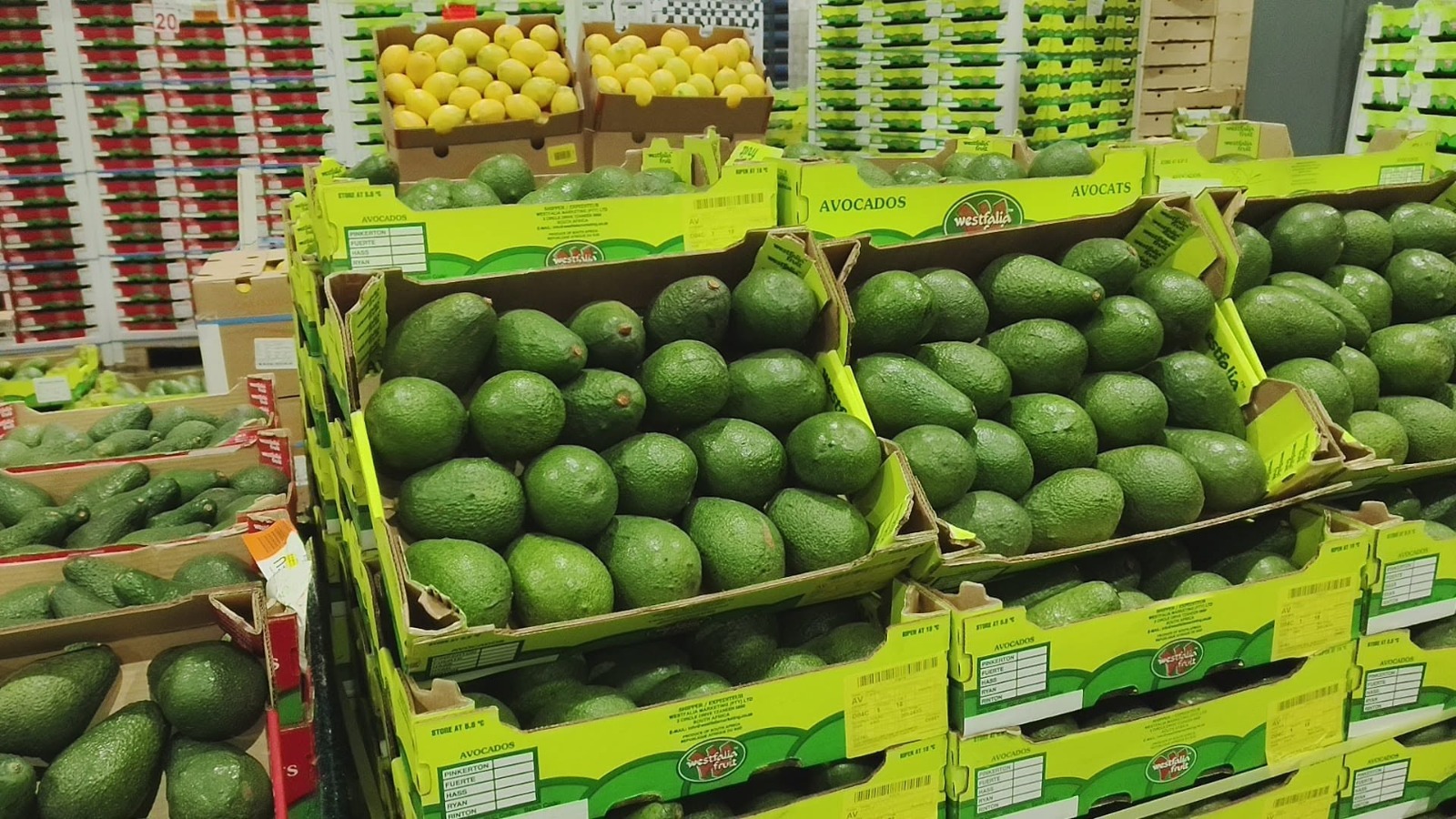
Horticultural products at a display. Photo/Courtesy
By Newsflash Reporter
Eastern Africa’s horticulture sector is set to convene in Nairobi next week to address trade and logistics challenges that continue to raise costs, cause delays and undermine the competitiveness of regional produce.
Industry leaders, government representatives, private-sector players and development partners will meet on September 22–23 for a two-day Regional Public-Private Dialogue on Horticultural Logistics and Trade Facilitation.
The meeting will also mark the official launch of the Horticulture Council of Eastern Africa (HoCEA), a private-sector-led regional platform established to strengthen coordination, advocacy, market access and institutional engagement in the sector.
The council is working with national horticulture associations across the region with support from TradeMark Africa (TMA). It is expected to provide the industry with a stronger regional voice and a platform through which players can collectively engage policymakers on issues affecting horticultural competitiveness.
Tackling costly trade barriers
Horticulture is an important contributor to economic development across Eastern Africa, supporting employment, export earnings, food systems and private-sector growth.
However, producers and exporters continue to contend with trade and logistics bottlenecks that affect the movement of horticultural products from farms to domestic, regional and international markets.
Dr Jacqueline Mkindi, HoCEA interim chair and Chief Executive Officer of the Tanzania Horticultural Association, said the sector faces several challenges that require coordinated regional action.
Read more: Galana Kulalu gets new push as SEZ plan accelerates
“These challenges include high freight costs, inadequate cold-chain infrastructure, weak first-mile aggregation systems, fragmented digital trade processes, delays at ports and borders, inconsistent sanitary and phytosanitary (SPS) and certification procedures, and limited utilisation of opportunities created by the African Continental Free Trade Area (AfCFTA),” said Dr Mkindi.
The challenges extend beyond large exporters, with inefficient systems potentially limiting opportunities for smallholder farmers, women, youth, small and medium-sized enterprises, logistics providers and national horticulture associations.
The Nairobi dialogue will focus on four priority areas: trade logistics and cold-chain systems, digital trade and smart corridors, SPS measures and non-tariff barriers, and AfCFTA market access and implementation.
Stakeholders will examine infrastructure, transport and cold-chain requirements needed to move time-sensitive produce efficiently, while digital trade systems and smart corridors will be assessed for their potential to reduce transaction costs and improve cross-border trade.
Participants will also consider ways of improving certification and SPS procedures while maintaining standards needed to protect consumers, plants and markets.
From dialogue to action
The organisers say the meeting is intended to go beyond identifying challenges and focus on practical interventions, investments and commitments.
The first day will centre on technical discussions and validation of priority constraints, including identifying potential investments, interventions and responsible actors. The second day will seek to translate these priorities into policy and investment commitments and define practical follow-up actions.
The discussions are expected to contribute to a Nairobi Communiqué outlining priority actions, responsible institutions and proposed timelines for implementation.
The event will subsequently culminate in the formal launch of HoCEA and discussions on its immediate priorities and the next 90 days of action.
Read more:Kenya targets Japanese market for avocados at Japan Expo 2025
Dr Mkindi said the process was intended to strengthen collaboration between government, industry and regional institutions while addressing challenges that individual businesses or countries could not resolve on their own.
HoCEA’s establishment comes as horticultural producers and exporters navigate an increasingly complex trading environment characterised by changing market requirements, logistics pressures and evolving trade opportunities.
As a private-sector-led regional platform, the council seeks to bring together national horticulture associations and sector stakeholders to strengthen collective advocacy and engagement on issues affecting the industry’s growth.
The Nairobi dialogue will bring together government institutions, private-sector actors, regional bodies, development partners, logistics providers, technology firms and horticulture associations.



About the Author