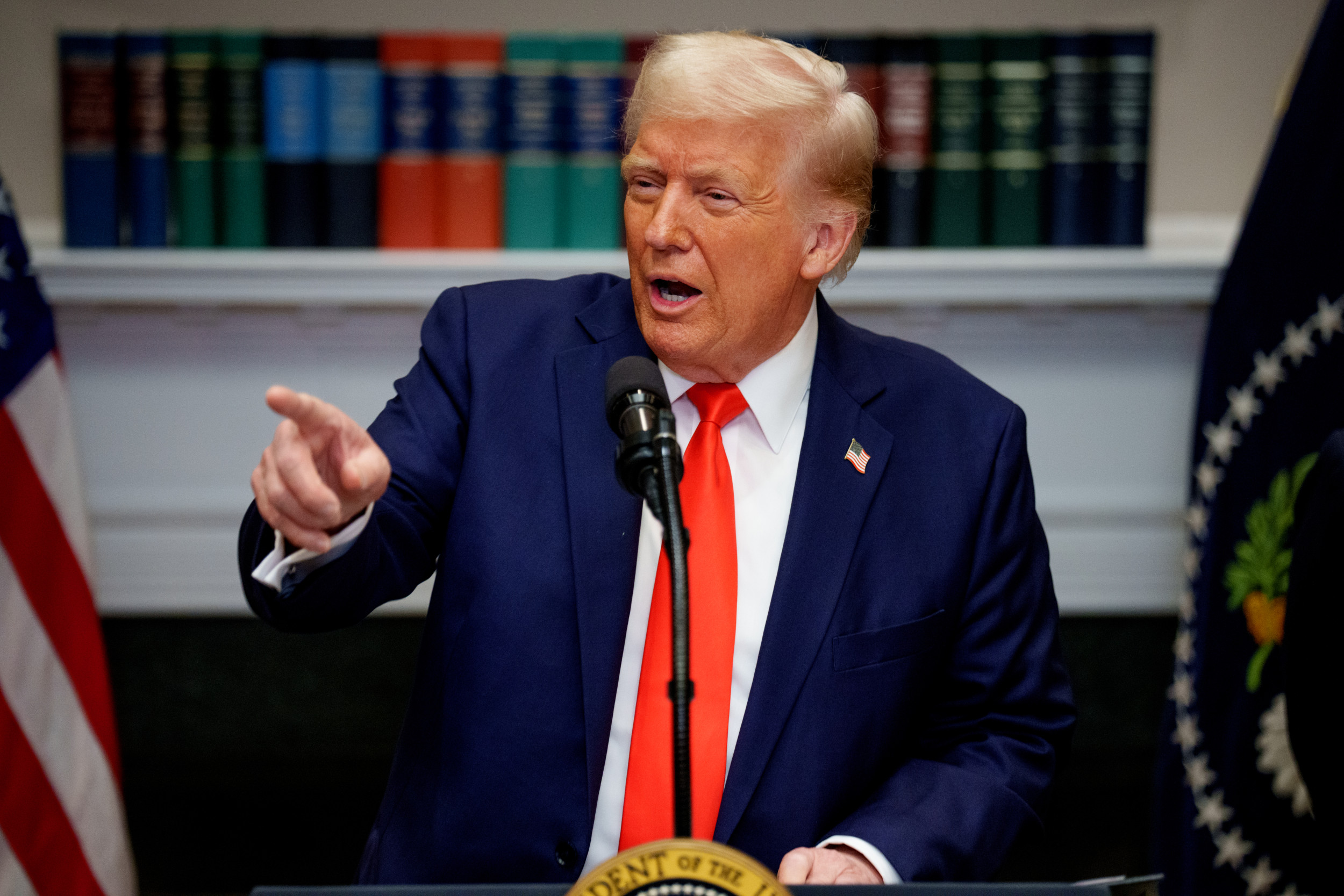
The United States President Donald Trump calls for emergency briefing on the escalating violence in the DRC. /FILE
By Daisy Okiring
The administration of United States President Donald Trump has demanded an emergency briefing at the United Nations Security Council (UNSC) to address escalating violence in the eastern Democratic Republic of Congo (DRC).
In a strongly worded statement, the US State Department condemned a wave of attacks against civilians in North Kivu province, accusing the M23 rebel group of committing atrocities that threaten to derail fragile peace efforts.
“Violence targeting civilians in eastern DRC is unacceptable,” the Bureau of African Affairs said. “We urge all parties to uphold the ceasefire committed to in the Declaration of Principles signed in Doha between the DRC government and M23.”
Growing crisis in North Kivu
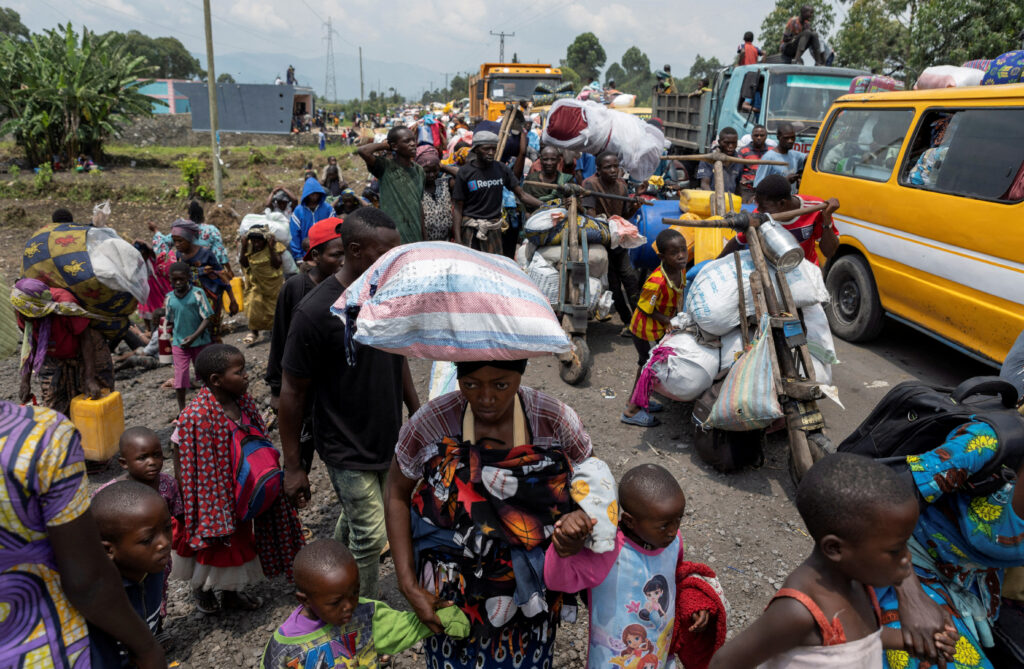
The call comes as humanitarian agencies warn of worsening conditions in North Kivu, where M23 fighters have been accused of massacres, forced displacement, and the use of sexual violence as a weapon of war.
The rebel movement, which claims to defend the interests of the Tutsi community, has clashed with Congolese government troops and local militias despite multiple ceasefire attempts mediated by regional leaders.
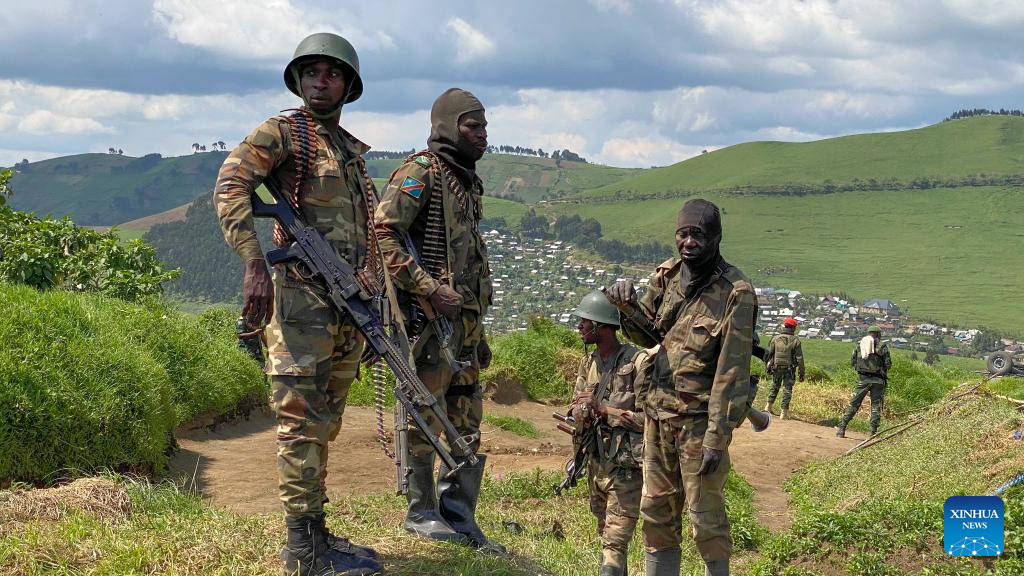
The United Nations Office for the Coordination of Humanitarian Affairs (OCHA) has described the violence as “one of the most severe humanitarian crises in the world today,” noting that civilians continue to bear the brunt of renewed conflict.According to the Global Displacement Forecast Report 2025, more than 4.2 million people have been forced to flee their homes this year alone — the highest number since 2021. The report warns that unless urgent measures are taken, the displacement crisis risks overwhelming aid efforts and destabilizing neighbouring states.
US steps up diplomatic pressure
The Trump administration’s demand for an emergency UNSC session signals Washington’s intention to elevate the DRC crisis on the global agenda. Officials said the briefing would focus on “horrific abuses perpetrated against civilians, including by M23,” and explore accountability mechanisms for those responsible.
“Violations not only threaten progress toward peace but perpetuate the suffering of civilians who have endured decades of conflict,” the State Department’s statement read. “We will continue to promote accountability to ensure that those who undermine peace, stability, or security face consequences.”
Read More: Russia launches massive airstrikes on Kremenchuk after Washington peace talks
The United States has repeatedly expressed frustration with the cycle of violence in eastern Congo, where decades of armed rebellions, ethnic rivalries, and resource-driven conflicts have left millions dead since the 1990s.
Sanctions linked to conflict minerals
This month, Washington also tightened sanctions targeting armed groups and businesses accused of financing conflict through illegal mining.
On August 12, the Treasury Department’s Office of Foreign Assets Control (OFAC) sanctioned the militant group PARECO-FF — a successor to the Coalition des Patriotes Résistants Congolais — alongside three companies allegedly involved in smuggling minerals from conflict zones. One of the firms is based in DRC, while the other two operate out of Hong Kong.
According to US officials, PARECO-FF has overseen forced labour, executions of civilians, and smuggling operations since 2022, generating millions of dollars through the illicit trade of gold and coltan.
“The conflict minerals trade is exacting a deadly toll on Congolese civilians, fueling corruption, and preventing law-abiding businesses from investing in the DRC,” said John K. Hurley, Under Secretary of the Treasury for Terrorism and Financial Intelligence.
Analysts say the move reflects Washington’s growing focus on cutting off funding streams for armed groups, many of which rely on cross-border smuggling networks to sustain operations.
International and regional response
While regional peace initiatives, including mediation led by the African Union and East African Community, have sought to restore calm, progress has been slow. Efforts have often been undermined by mistrust between Kinshasa and Kigali, with the Congolese government accusing Rwanda of backing M23 — a charge Rwanda denies.
UN peacekeepers under the MONUSCO mission remain deployed in eastern Congo but face mounting criticism over their ability to protect civilians amid intensifying clashes.
Read More: Hunger and disease overtake war as Sudan’s top killers
The Trump administration’s latest push is expected to reignite debate within the UNSC over the future of MONUSCO and whether stronger international measures, such as sanctions or an expanded peacekeeping mandate, are required.
Human rights organizations, meanwhile, have urged the United States and other powers to prioritize humanitarian support for displaced communities and press regional leaders to recommit to dialogue.
A crisis with global stakes
The DRC conflict has wide-reaching implications beyond central Africa. The country is home to some of the world’s richest deposits of cobalt, coltan, and other critical minerals vital to global supply chains in technology and renewable energy.
Experts warn that instability in eastern Congo threatens not only regional peace but also the security of global markets.
For the Trump administration, which has sought to strengthen US influence in Africa amid intensifying competition with China, the DRC crisis presents both a humanitarian challenge and a geopolitical test.
As the UNSC prepares for the emergency briefing, the question remains whether renewed international attention will translate into concrete measures capable of easing the suffering of millions trapped in one of the world’s longest-running conflicts.


About the Author