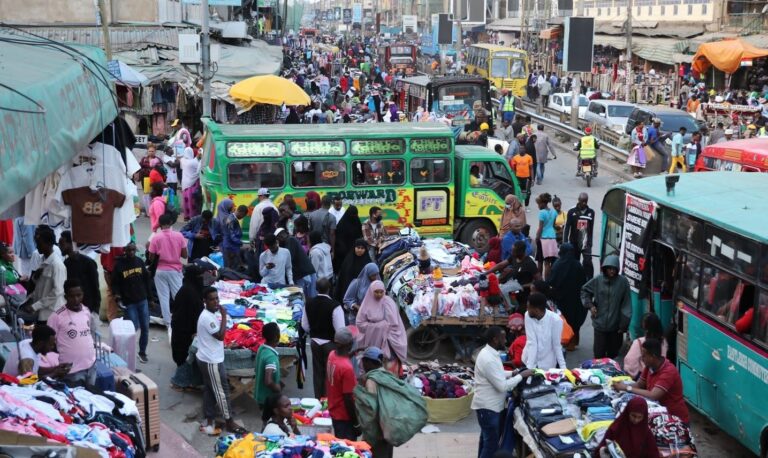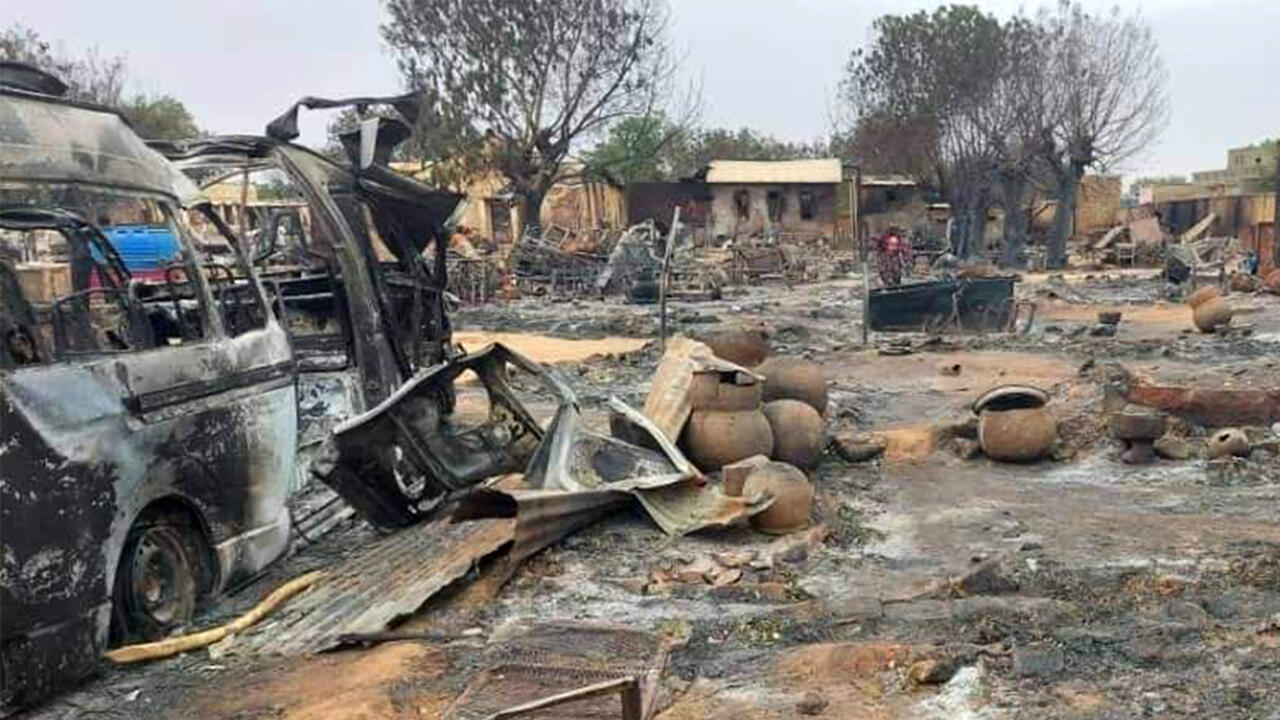
Air strikes kill dozens in Darfur. Photo/Courtesy
By Daisy Okiring
At least 12 people were killed when a Sudanese army drone strike hit the Yashfeen clinic in Nyala, the capital of South Darfur, on Saturday, according to war monitors. Emergency Lawyers, a rights monitoring group, reported the strike occurred around midday, warning that the toll could rise as medical staff and patients were among those trapped under rubble.
The Sudanese army has not issued an official statement on the attack. However, rights groups fear dozens more may have died, given the scale of destruction at the clinic, which had been one of the few remaining medical facilities in the city.
The strike came just hours after paramilitary Rapid Support Forces (RSF) shelling in El-Fasher killed at least seven people and injured 71 others, medical sources confirmed. Many of the wounded were children, with 22 victims in critical condition.
El-Fasher Under Relentless Siege
El-Fasher, the last major city in Darfur under army control, has become the bloodiest front line in the war between the Sudanese army and the RSF. For over a year, the RSF has maintained a crippling siege, cutting off food, medicine, and water supplies while bombarding densely populated neighborhoods, including displacement camps.
Satellite imagery released last week by Yale University’s Humanitarian Research Lab showed the RSF constructing over 31 kilometers of earthen barriers, effectively trapping the army and thousands of civilians inside what researchers described as a “kill box.”
Read More: Hemedti sworn in as leader of parallel Sudanese government
The RSF has also targeted critical infrastructure. Damage was recently documented at El-Fasher’s water authority, raising fears of a collapse in access to clean drinking water for the city’s estimated 300,000 residents.
Famine conditions are worsening. Aid agencies report that up to 40 percent of children under five in El-Fasher are acutely malnourished, with many families resorting to eating animal feed. Attempts to flee the city have often ended in tragedy, with civilians dying from hunger, exposure, or attacks by armed groups.
Genocide Fears Resurface in Darfur
The escalating battle for El-Fasher has sparked fears of mass atrocities. Experts warn that the city’s majority Zaghawa community could face the same fate as the Massalit tribe in El-Geneina, West Darfur, where UN investigators estimated 15,000 people were massacred in 2023, largely blamed on RSF fighters.
The RSF, descended from the Janjaweed militias accused of genocide in the early 2000s, has long been linked to atrocities including ethnic cleansing, sexual violence, and systematic looting. If the paramilitary captures El-Fasher, it would control all five Darfur state capitals, marking a decisive shift in the war.
Read More: Fresh Russian strikes kill civilians in Ukraine as sanctions Tighten
“The Janjaweed are about to win the entire genocide that began in the early 21st century,” said Nathaniel Raymond, head of Yale’s Humanitarian Research Lab. “And the world isn’t going to do anything about it.”
Both the Sudanese army and RSF face allegations of war crimes, but rights groups warn the humanitarian disaster is accelerating. With health facilities destroyed, famine spreading, and civilians trapped between warring factions, Darfur is once again staring at the brink of genocide.


About the Author