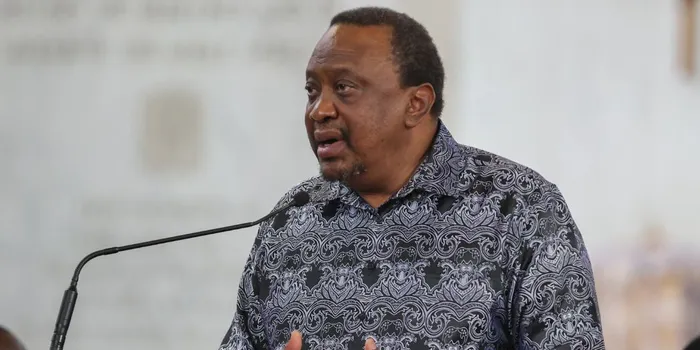
ODM leader Raila Odinga and President William Ruto. Photo/KBC Digital
By Newsflash Writer
President William Ruto and ODM leader Raila Odinga have officially unveiled a five-member committee mandated to oversee the implementation of their historic 10-point agenda, which was agreed upon in a political truce earlier this year.
The announcement was made on August 6, 2025, through a joint statement signed by both leaders, signaling a new phase in the cooperation between the ruling United Democratic Alliance (UDA) and the opposition Orange Democratic Movement (ODM).
The formation of the committee follows sustained pressure from ODM, which had demanded a structured framework to guide the execution of the March 7 Memorandum of Understanding (MoU).
ODM party officials had argued that the ambitious reform package required a formal oversight mechanism to avoid political tokenism and ensure real progress on matters affecting ordinary Kenyans.
The new committee comprises five prominent figures from various backgrounds, appointed jointly by President Ruto and Raila Odinga: Dr. Agnes Zani (Chairperson), Fatuma Ibrahim, Kevin Kiarie, Gabriel Oguda, and Javas Bigambo. A Joint Secretariat, co-led by executive secretaries from UDA and ODM, will support the operations of the committee. Both parties have committed to fully fund and facilitate its activities.
In their statement, the two leaders emphasized that the committee’s formation reflects their shared commitment to national unity, governance reforms, and inclusive prosperity.
“The committee will ensure inclusive and extensive consultations with members of the public and relevant stakeholders—including civil society, government arms, religious bodies, and the private sector—to align the MoU’s implementation with the aspirations of all Kenyans,” the statement read.
Committee to monitor reforms across 10 key areas
The 10-point agenda, which forms the basis of the cooperation deal between UDA and ODM, includes wide-ranging issues meant to address Kenya’s long-standing political, economic, and governance challenges. Chief among them is the full implementation of the National Dialogue Committee (NADCO) report, which outlines critical reforms in electoral justice, institutional accountability, and political inclusivity.
Other agenda items include: strengthening devolution, promoting youth livelihoods, entrenching leadership and integrity, safeguarding the right to peaceful assembly, addressing national debt, fighting corruption, eliminating public sector wastage, and reinforcing constitutionalism and the rule of law.
Read more:Police brutality: Cracks emerge in Ruto-Raila alliance
One of the standout commitments is the compensation of victims of past protests and riots—a matter ODM had vocally pushed for following a string of deadly demonstrations in 2023 and 2024. Equally significant is the pledge to protect Article 37 of the Constitution, which guarantees the right to peaceful assembly.
According to the statement, the committee will begin its work immediately and submit bi-monthly progress reports to President Ruto and Raila Odinga. Additionally, it will report quarterly to a joint Kenya Kwanza–ODM Parliamentary Group, which is scheduled to hold its inaugural sitting on August 18, 2025.
March 7 pact marks rare political consensus
The March 7 MoU marked a turning point in Kenya’s political landscape, bringing together the leaders of the country’s two largest political parties. While initially greeted with skepticism by some factions in both camps, the agreement was hailed by others as a mature step toward national healing and political stability following years of electoral disputes and street protests.
Sources within ODM revealed that internal party consultations, led by Raila Odinga and senior officials, concluded that continued opposition without tangible policy gains was unsustainable. The demand for a monitoring committee emerged as a key condition for ODM’s participation in the deal.
Read more: Raila: Nyong’o and Orengo are speaking ODM’s language
By appointing a non-partisan and broadly representative committee, both Ruto and Raila appear keen to demonstrate that their political accord is more than symbolic.
The final comprehensive report on the status of the MoU’s implementation will be made public on March 7, 2026—exactly one year since the signing of the agreement.
As Kenya approaches a pivotal political season, the success or failure of this committee could determine whether the country witnesses a new era of political consensus or slides back into familiar patterns of partisan conflict. For now, both leaders have thrown their weight behind cooperation—a move likely to shape the nation’s political direction in the coming months.


About the Author