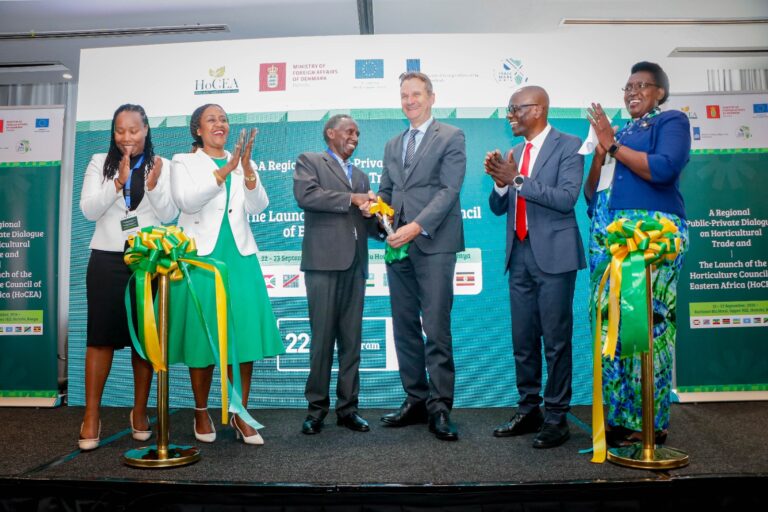
The newly constituted a multi-agency committee to spearhead the implementation of the Cartagena Protocol on Biosafety. Photo/Newsflash
By Newsflash Reporter
Nairobi, August 1, 2025 – The Kenyan government has officially constituted a multi-agency committee to spearhead the implementation of the Cartagena Protocol on Biosafety, with the National Biosafety Authority (NBA) designated as the lead agency.
The committee’s formation is a major milestone in ensuring Kenya meets its international obligations concerning the safe handling and use of genetically modified organisms (GMOs).
The Protocol, to which Kenya became a signatory in 2000 and ratified in 2003, outlines the procedures for the safe transfer, handling, and use of living modified organisms (LMOs), particularly focusing on biodiversity conservation and minimizing health risks.
Key stakeholders in the committee
The new committee comprises representatives from a wide range of government departments and institutions. These include the Ministry of Agriculture and Livestock Development, State Department for Tourism and Wildlife, Ministry of Environment and Climate Change, Office of the Attorney General, and the Ministry of Foreign Affairs.
Read more: NBA determined to deliver on its mandate

Also represented are agencies such as the National Commission for Science, Technology and Innovation (NACOSTI), National Environment Management Authority (NEMA), University of Nairobi, Kenya University Biotechnology Consortium, Biosafety Appeal Board, and the Kenya Industrial Property Institute (KIPI).
Speaking at the induction of NBA’s board members, Mr. Abdullahi H. Osman, an Under-Secretary in the Ministry of Agriculture, stressed the urgency of the committee’s mandate. “We already have a committee in place with its work already cut out and therefore, it has to move with speed and implement what is provided for in the Cartagena Protocol,” he said, representing the Secretary Administration in the ministry, Mr. Rashid Khator.
Mandate and responsibilities
The committee has already convened two sessions since its inauguration in December 2024 by NBA acting CEO Mr. Nehemiah Ngetich. Among its key roles are advising the Authority on all matters related to the Protocol’s implementation, preparing Kenya’s position papers for international negotiations, and guiding the government on accession and domestication of the Kuala Lumpur Supplementary Protocol on liability and redress.
Additionally, the committee will help assess implementation progress, mobilize resources, and support Kenya’s national reporting obligations under the Protocol.
Read more: AI in agriculture: Kenya’s digital farming reinvention
A core focus of the Protocol is the establishment of a Biosafety Clearing-House (BCH), which facilitates the sharing of scientific, legal, and technical information on GMOs between nations.
Under the Biosafety Act Cap 320, the National Biosafety Authority is empowered to oversee all aspects of GMOs in Kenya, including approved, illegal, or unintended GMOs. Accession to the Kuala Lumpur Supplementary Protocol would enhance NBA’s legal standing in handling liability issues, especially concerning unintentional releases or unauthorized imports of GMOs.
Boosting NBA’s strategic vision
During the board induction, NBA Board Chairperson Prof. Jenesio Kinyamario emphasized the importance of the three-day orientation, noting it would ensure board members are fully equipped to guide the Authority’s operations. “The training is expected to provide the members with the necessary knowledge, resources, and skills to enable them contribute meaningfully to the board’s decision-making and strategic direction,” he stated.
Read more: How sustainable agriculture is mitigating climate change in Kenya
Prof. Kinyamario also highlighted that the NBA’s 2023–2027 Strategic Plan features eight key result areas requiring KSh 2 billion for full implementation. He urged management to intensify efforts in resource mobilization, including leveraging Appropriations-in-Aid, pledging the board’s full backing.
The NBA, under Cap 320 of the Kenyan law, regulates all GMO activities in the country to ensure the protection of human and animal health and the environment. The new committee’s work is expected to significantly bolster Kenya’s compliance with international biosafety standards and strengthen regulatory oversight of biotechnology.


About the Author