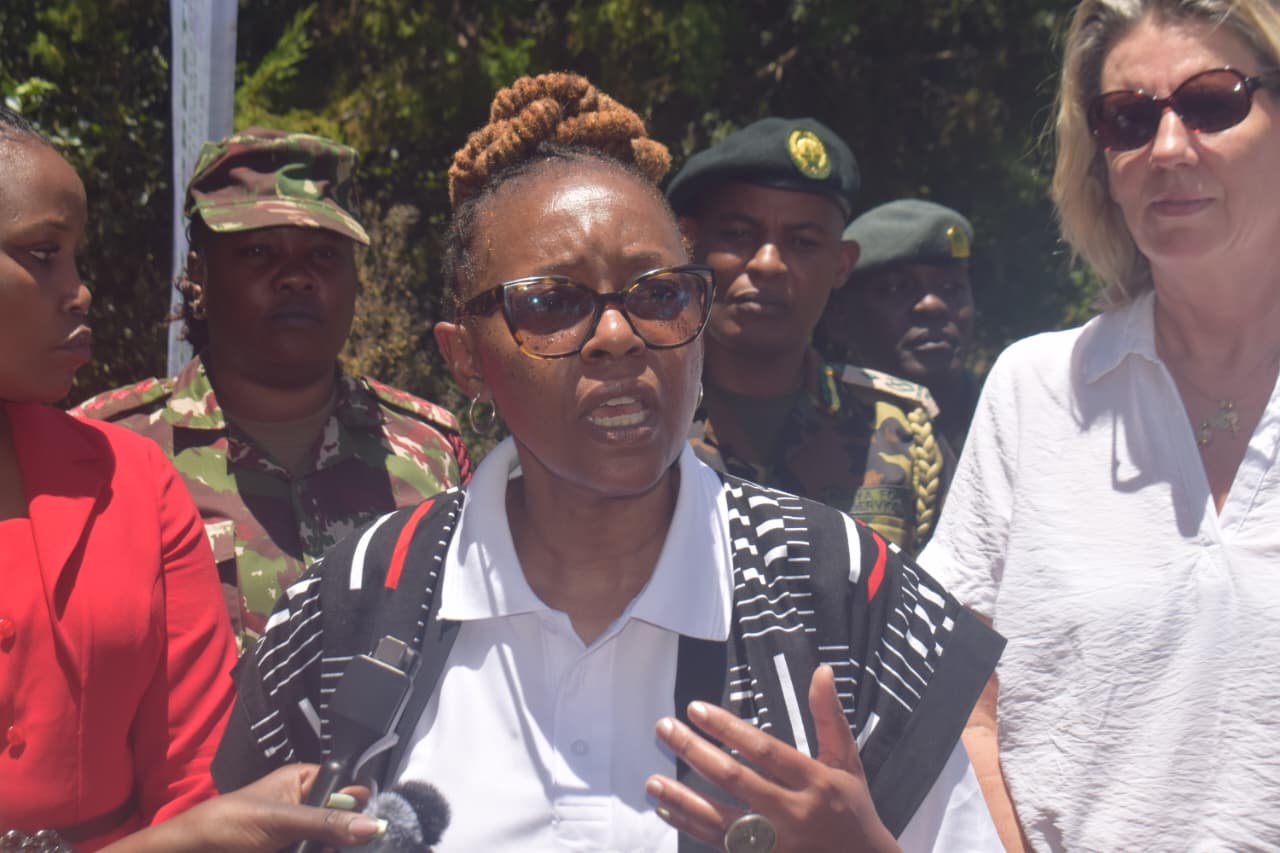
Greenbelt Movement chairperson Nyaguthii Chege. Photo/Elijah Cherutich
By Elijah Cherutich
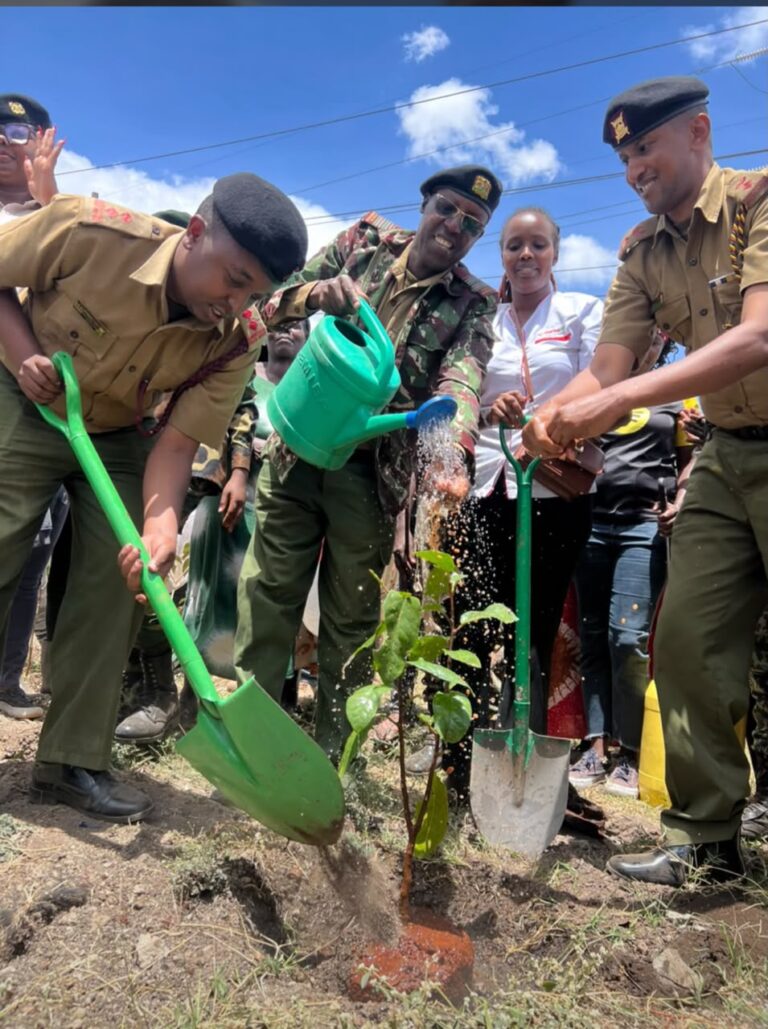
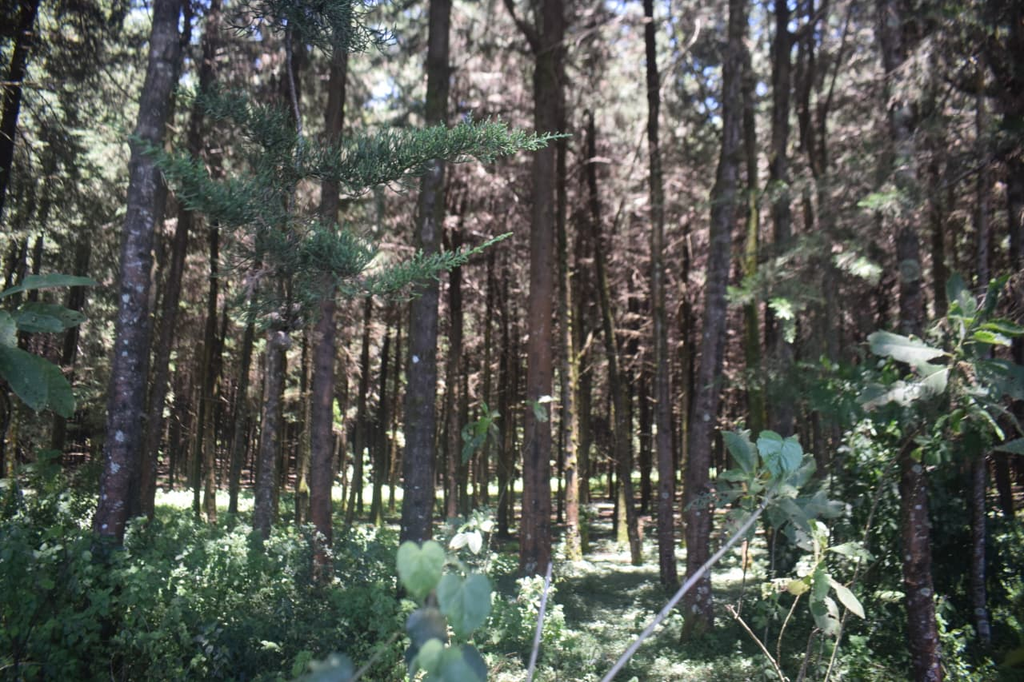
The Greenbelt Movement has handed over 68 hectares of restored forest in Dundori Forest to the Kenya Forest Service (KFS) to ensure continued management and monitoring of the rehabilitated area.
Speaking during the handover ceremony at Dundori Forest, Greenbelt Movement Chairperson Nyaguthii Chege said the organisation had undertaken extensive ecosystem restoration at the forest with the aim of transforming it into an indigenous forest.
She said KFS will co-manage the forest with the local community under the Participatory Forest Management Plan.
“The Green Belt Movement and the methodologies started with Professor Wangari Maathai about 49 years ago, so we have a very specific way of working where we work with the local communities adjacent to the forest and we work continuously with them for a minimum of three years,” she said.
Nyaguthii said the community also produces livelihood trees, which are planted on farms to enable residents to benefit financially from their produce and enhance their incomes.
She added that support from the French Development Agency (AFD) and the French government would greatly transform the livelihoods of communities living adjacent to the forest through income-generating activities, with proceeds eventually reinvested in the community.
French Ambassador to Kenya Wadid Benaabou said the partnership was aimed at addressing the adverse effects of global warming through forest restoration to secure livelihoods, food security, nature and the wider ecosystem.
He said he was impressed by the commitment of all players involved in the restoration programme and would endeavour to continue supporting similar partnerships across the country.
Partnerships drive forest restoration
Ann-Gael Chapuis, Country Director of the French Development Agency, said AFD had provided up to €2.6 million (Sh383.16 million) to the project and expressed satisfaction with its progress.
She said AFD had been heavily involved in conservation projects across the country and would continue supporting efforts to restore degraded forests.
Read more: Mau initiative boosts forest conservation, livelihoods economically
“This is the second phase, and we can see success and inspiring outcomes of the project to the final product of the beautiful forest,” she said.
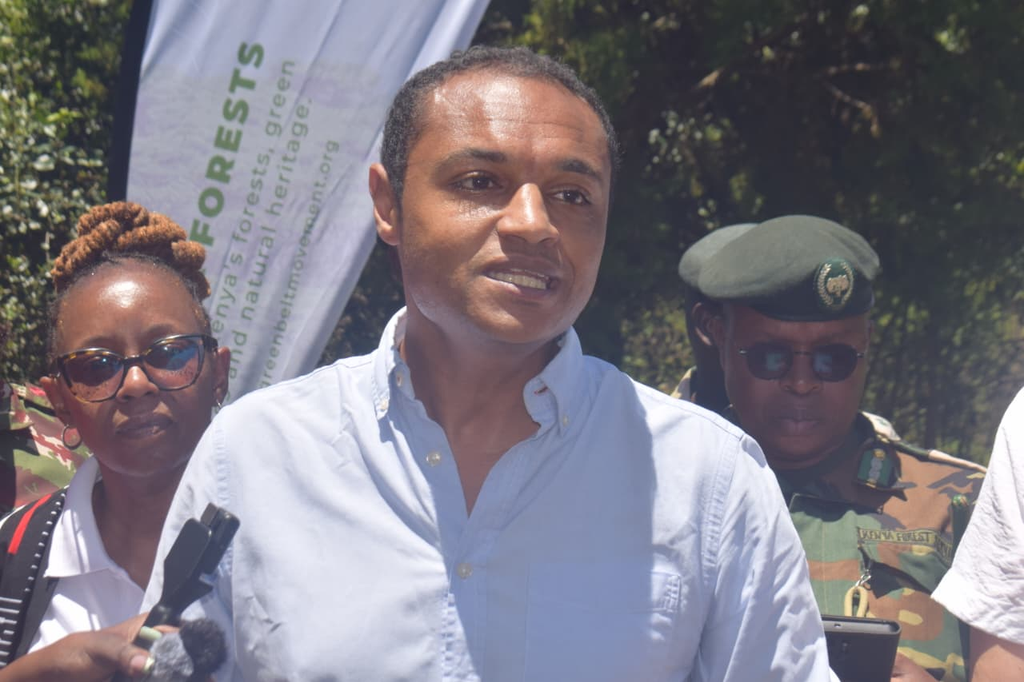
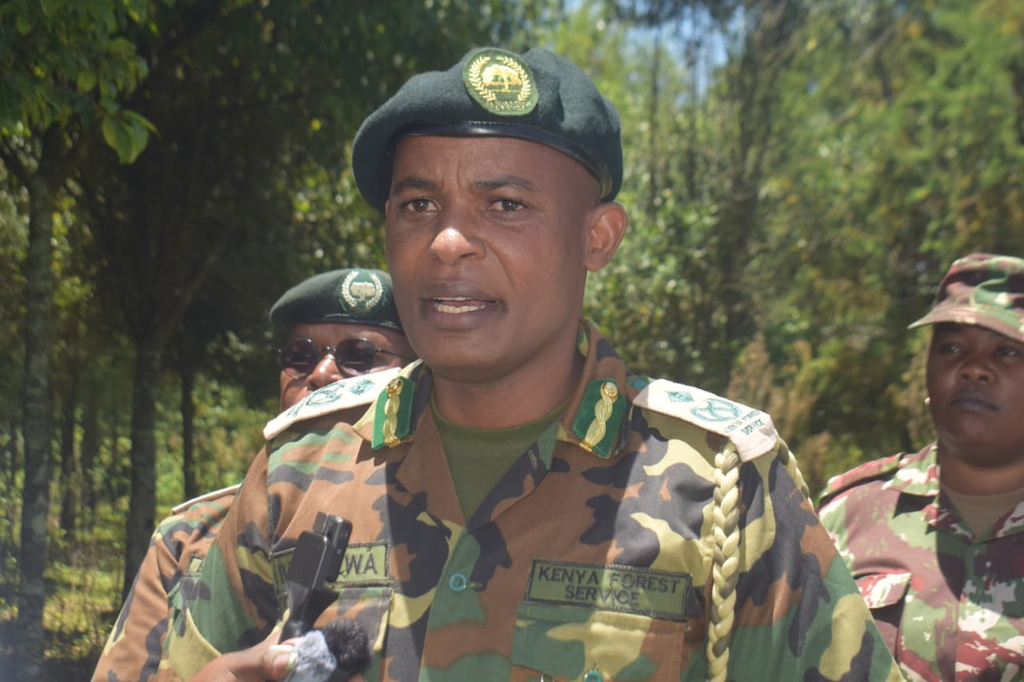
KFS Head of Natural Forest Conservation Boniface Mulwa lauded the culmination of efforts that began in 2023 and resulted in the restoration of the 68 hectares with suitable indigenous species.
He said with Nakuru’s tree cover standing at 12 per cent, the service was targeting enhanced restoration activities to contribute to the national tree-growing target.
15 billion tree campaign
“Partnerships are central to sustainable forest conservation management in the country because we are able to leverage on resources and expertise, and therefore today, we are witnessing the culmination of a journey of establishment of more than 69 hectares with indigenous species,” he said.
The handover of the restored forest to KFS comes as the government accelerates efforts to restore degraded forest areas across the country as part of its 15 billion tree-growing campaign.
Over the past few months, government officials have been leading restoration programmes aimed at rehabilitating degraded forest areas.
Read more:Tana River Women Group seeks support to boost conservation
Principal Secretary for the State Department for Environment and Climate Change, Eng. Festus Ngeno, has been leading the Mau Forest Complex Integrated Conservation and Livelihood Improvement Programme (MFC-ICLIP), which targets the restoration of more than 33,000 hectares of degraded forest area over the next 10 years.


About the Author