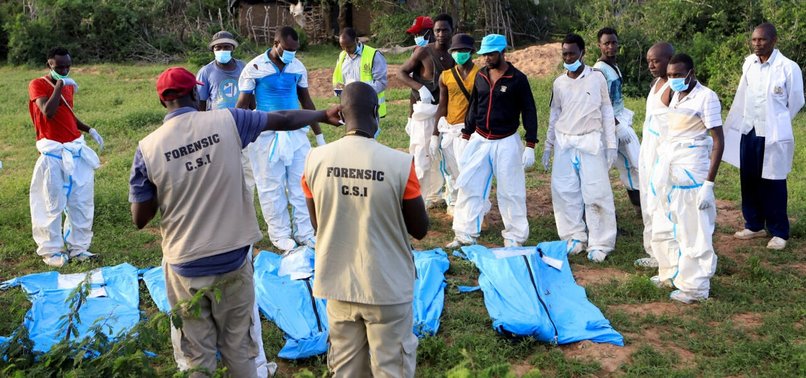
Police and pathologists at Kwa Binzaro where bodies were exhumed from shallow graves. Photo/Courtesy
By Daisy Okiring
Detectives in Kilifi County have unearthed five more bodies and several body parts from shallow graves in Kwa Binzaro village, reigniting memories of the 2023 Shakahola massacre.
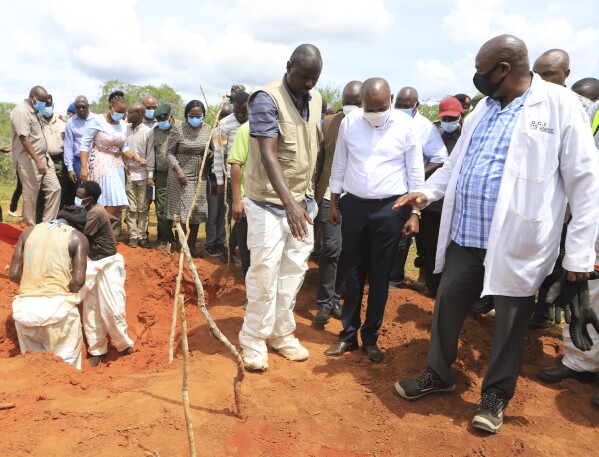
The Directorate of Criminal Investigations (DCI) began the exhumation on Thursday, August 21, targeting 27 suspected graves identified within the thickets of Chakama Ranch. By the end of day one, six graves had been opened, yielding five bodies and at least ten scattered body parts.
Government pathologist Dr. Richard Njoroge, who is leading the forensic team, confirmed the chilling findings.
“At the commencement of this exercise, we had identified 27 suspected graves. Today, we managed to exhume six. Of the six, we found five bodies, and in the same area, we recovered ten different body parts,” he said.
He added that the operation will continue until all graves are examined, warning that more discoveries are expected.
Echoes of Shakahola massacre
The Kwa Binzaro case has drawn strong parallels to the Shakahola tragedy of 2023, where more than 400 followers of controversial preacher Paul Nthenge Mackenzie were found dead in mass graves after allegedly starving themselves in the name of faith.
Authorities suspect that the Kwa Binzaro cult is linked to Mackenzie’s Good News International sect, which shifted operations deeper into Chakama Ranch after the government cracked down on Shakahola. Both sites are located within the expansive 100,000-acre property, which has become synonymous with cult-related deaths.
Interior Cabinet Secretary Kipchumba Murkomen previously revealed that Mackenzie continues to exert influence on his followers from prison, even offering prayers over the phone to those attempting to return to his movement. This ongoing communication, he said, complicates government efforts to combat religious extremism.
Read More: Meru blogger “Sniper” finally buried 19 months after brutal killing
Victims and missing persons
Detectives believe children may be among the victims buried in Kwa Binzaro. Officials said more than ten minors, including six from one family, have been reported missing and could be linked to the cult’s activities.
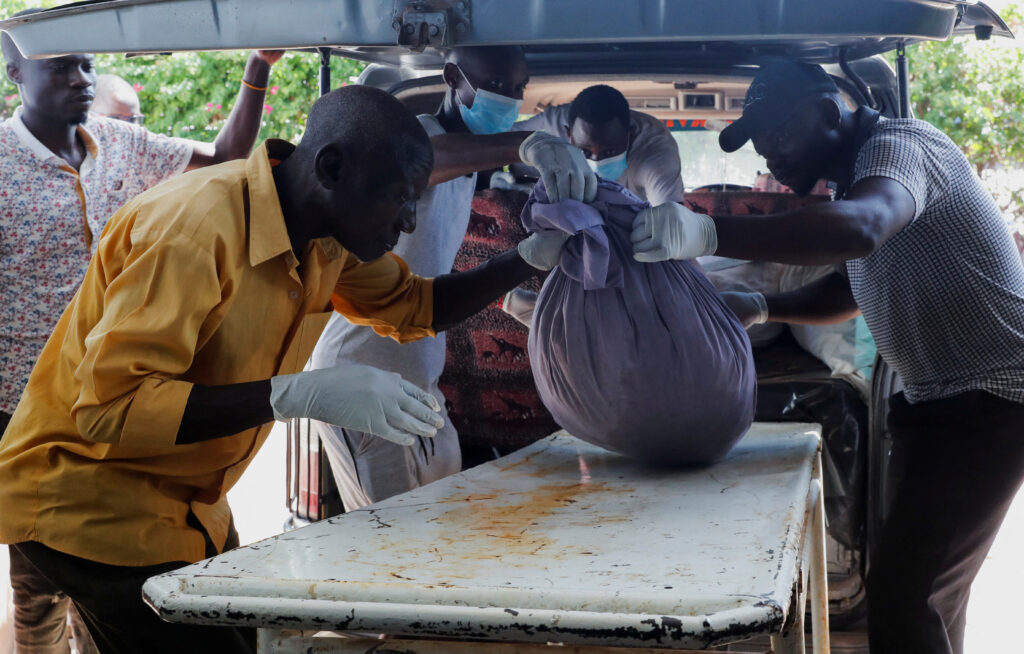
Families with missing loved ones have been urged to present themselves at Malindi Sub-County Hospital for DNA sampling to help with the identification process. Postmortems will follow the exhumations to establish the exact causes of death.
“Dying rooms” and indoctrination sites
Investigators also uncovered disturbing structures believed to have been used for indoctrination and ritual deaths. One mud-and-wood building with three rooms is suspected to have served as a confinement site where followers fasted to death.
According to Kilifi County Commissioner Josephat Biwott, the rooms were gender-segregated — one for men and another for women — where cult members were held until they died. Their bodies were then moved to a central room before being buried in different sites within a five-acre section of the ranch.
Nearby, detectives found an open-air meeting space believed to have been used for cult gatherings and sermons led by a woman identified as Shirleen, who allegedly played a leading role in the group’s indoctrination practices.
Calls for accountability
The grim discoveries have once again raised questions about how cults in Kenya continue to thrive despite government crackdowns. Human rights group Haki Africa, which has been observing the exercise, commended authorities for maintaining transparency but demanded stronger oversight.
“We are happy with the openness by the government in this process, and we hope that this partnership will continue because we are here as citizens to oversight the results and statistics being shared,” said Haki Africa’s program officer, Mathias Shipeta.
Read More: Anti-Counterfeit Authority seizes ksh10 million sugar, oil smuggled from somalia
A pattern of cult-linked deaths
Kenya has witnessed a troubling pattern of cult-related tragedies in recent years. The Shakahola massacre remains the most infamous, but earlier incidents also revealed how vulnerable communities fall prey to extremist religious ideologies.
Analysts say socio-economic hardships, weak regulatory frameworks, and gaps in law enforcement have created fertile ground for dangerous sects. Despite past promises of reform, critics argue that the government has been slow to enact measures that would both monitor and prevent cult recruitment.
With the Kwa Binzaro case unfolding, Kenyans are once again faced with painful reminders of the human cost of unchecked religious extremism. For many families still searching for missing loved ones, the Chakama Ranch thickets remain a place of unanswered questions and deep grief.


About the Author