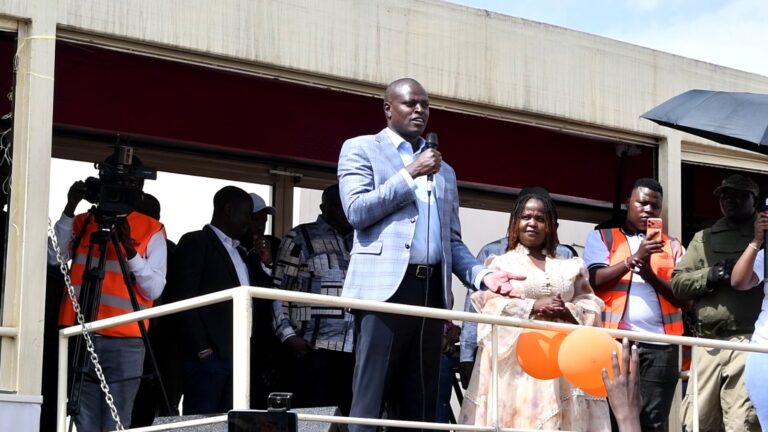
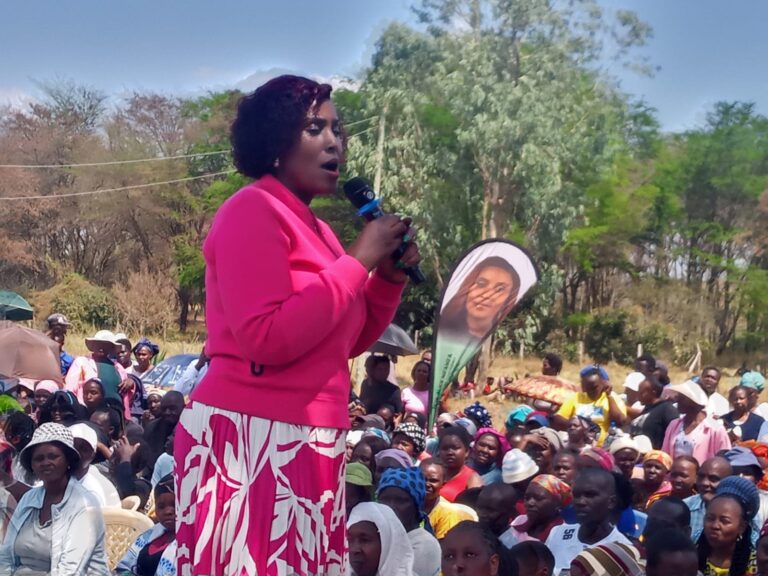
Side by Side images of Embakasi East Mp Babu Owino and Nairobi Governor Johnson Sakaja. Photo/Courtesy
By Newsflash Repoter
NAIROBI, Kenya – Embakasi East Member of Parliament Babu Owino has emerged as the frontrunner in the upcoming 2027 Nairobi gubernatorial race, according to a new poll that shows a significant decline in Governor Johnson Sakaja’s popularity. The survey, conducted by ISS Africa across Nairobi’s 17 constituencies, reveals a notable generational shift in the capital’s political landscape.
The poll results indicate Babu Owino commands 28.1 percent support among Nairobi residents, substantially ahead of incumbent Governor Sakaja, who trails at 16.4 percent. Former Kenya Medical Supplies Authority (Kemsa) chairperson Irungu Nyakera also outperforms Sakaja with 19.2 percent support, while Embakasi North MP James Gakuya registers 11.2 percent backing.
The survey employed a random, multi-staged sampling method, interviewing 1,063 voters across all 17 constituencies of Nairobi. The comprehensive approach provides a representative snapshot of the evolving political preferences in Kenya’s capital city nearly two years before the gubernatorial election.
Generational Divide in Support
The poll reveals a striking generational divide in political preferences. Babu Owino enjoys overwhelming support from younger voters, with 62 percent of Gen-Z respondents (aged 18-24) indicating they would elect him as governor. His support remains strong among young adults aged 25-32, with 32 percent backing his gubernatorial bid.
The Embakasi East MP’s popularity is particularly concentrated in the Eastlands area, where his constituency is located. This geographic stronghold, combined with his significant youth appeal, positions him as a formidable contender in the upcoming race.
Read More: Ndindi Nyoro slams housing levy as construction sector shrinks
Political Alignments and Party Dynamics
Governor Sakaja’s support base primarily consists of supporters of President William Ruto’s broad-based government. However, his administration has faced recent challenges, including an impeachment attempt by Members of the County Assembly over alleged undelivered promises.
Irungu Nyakera’s support stems largely from followers of former Deputy President Rigathi Gachagua and his Democracy for Citizens’ Party (DCP), indicating the continued influence of national political alignments on local races.
Babu Owino, despite being part of the Orange Democratic Movement (ODM), has indicated he would contest Nairobi’s top job with or without his parent party’s ticket. He is associated with a new political outfit dubbed Kenya Moja, suggesting potential realignments in the city’s political landscape.
Sakaja’s Governance Challenges
The poll results come amid ongoing challenges for Governor Sakaja’s administration. Recent controversies include standoffs with MCAs over bursary allocations and ward-based programs. Sakaja has defended his development record, noting that his administration has distributed KSh 1.6 billion in bursaries over three years, compared to KSh 3 billion distributed by previous governors over longer periods.
The governor cited a temporary ban on bursary allocation as the cause of recent distribution hitches, but acknowledged the political damage caused by the delays affecting education support for city residents.
Read More: Chaos at Kisii funeral as MPs Kibagendi, Nyakundi exchange blows
Implications for 2027 Elections
The survey results suggest significant shifts in Nairobi’s political dynamics nearly two years before the gubernatorial election. Babu Owino’s strong showing, particularly among younger voters, indicates the growing influence of generational politics in urban centers.
The emergence of multiple strong contenders beyond the incumbent governor suggests a highly competitive race ahead, with potential implications for party alliances and campaign strategies across the political spectrum.
As Nairobi continues to grapple with urban challenges including infrastructure, service delivery, and youth unemployment, the poll results reflect voters’ evolving expectations from their leadership and the changing dynamics of political support in Kenya’s capital city.


About the Author