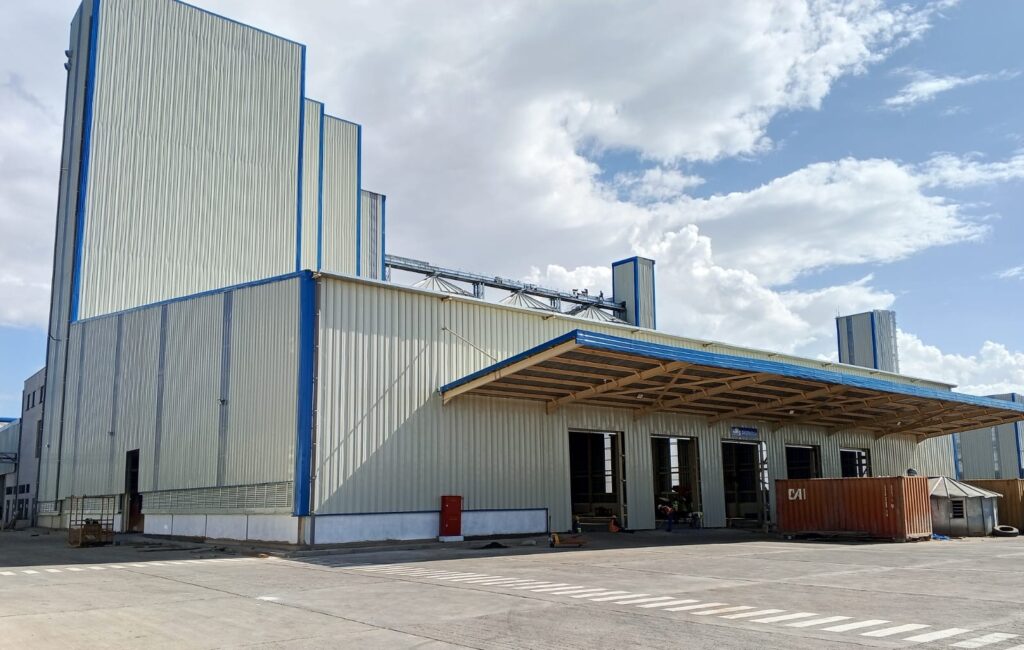
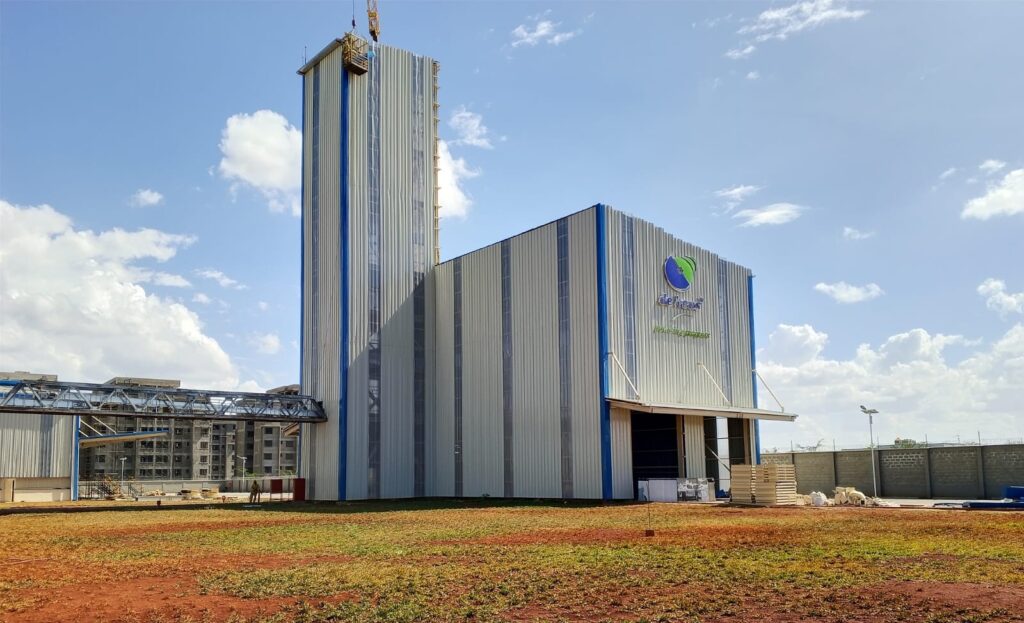
A view of De Heus Kenya’s state-of-the-art animal feed manufacturing plant in Athi River, Machakos County. Photo/De Heus Kenya
By Wanderi Kamau
Global animal nutrition firm De Heus Kenya is set to officially open a state-of-the-art animal feed manufacturing plant in Athi River on February 18, 2026, marking one of the largest private-sector investments in Kenya’s livestock and agribusiness sector in recent years.
The facility, valued at approximately KSh 3 billion (USD 23 million), is expected to significantly strengthen local feed supply while improving quality, consistency, and availability for farmers across the country.
The opening ceremony will be graced by the Cabinet Secretary for Agriculture and Livestock Development, Mutahi Kagwe, alongside the Principal Secretary for Industry, Dr Juma Mukhwana.
Senior government officials, industry players, farmers, and development partners are also expected to attend, underscoring the project’s national importance to food security and industrial growth.
Boosting local feed production
According to De Heus Kenya Managing Director, Wiehan Visagie, the Athi River plant reflects the company’s long-term commitment to transforming Kenya’s agricultural sector.
“This factory is about building reliable systems for farmers by addressing inconsistent feed quality and reducing dependence on imports,” Visagie said on Friday, February 4, 2025, ahead of its launch.
Read more: Galana Kulalu gets new push as SEZ plan accelerates
The facility will have an annual production capacity of 200,000 metric tonnes, with the potential to expand to 260,000 metric tonnes in the future, placing it among the largest feed mills in East Africa. It will produce a broad range of animal nutrition products, including compound feeds, concentrates, premixes, and specialty feeds designed for poultry, pigs, ruminants, and aquaculture.
By shortening supply chains and enhancing traceability, De Heus aims to tailor feed solutions to local farming systems, enabling farmers to achieve more consistent production results while reducing exposure to global supply disruptions.
Supporting farmers and food security
Kenya’s livestock sector contributes an estimated 12 percent of the national Gross Domestic Product and supports millions of livelihoods, particularly in rural areas. However, productivity has remained below potential, largely due to high input costs, with feed expenses accounting for up to 70 percent of total livestock production costs.
De Heus Kenya’s local manufacturing strategy is expected to directly address these challenges by stabilizing supply and improving feed standards.
Read more: The untold story of Kenya’s dairy women
In addition to production, the company offers technical advisory services focused on feed utilization, ration formulation, and animal nutrition management to help farmers translate feed quality into measurable productivity gains.
The company also plans to source key raw materials, including maize and soybeans, from Kenyan farmers, a move expected to strengthen local grain markets and boost rural incomes.
Jobs, industrial growth and partnerships
The Athi River factory is projected to create about 250 direct jobs and up to 1,000 indirect jobs across transport, logistics, packaging, distribution, and raw material supply chains, reinforcing the role of agribusiness investments in driving inclusive economic growth.
Read more: AU-IBAR pushes unified feed strategy for Horn of Africa
Founded in 1911 in the Netherlands, De Heus Animal Nutrition operates more than 86 production facilities worldwide, combining global research with local manufacturing and farmer support to strengthen livestock value chains.
The opening of the Athi River plant underscores the growing importance of private-sector investment, working in partnership with government, in advancing Kenya’s food security agenda, industrialization goals, and sustainable livestock sector development.


About the Author