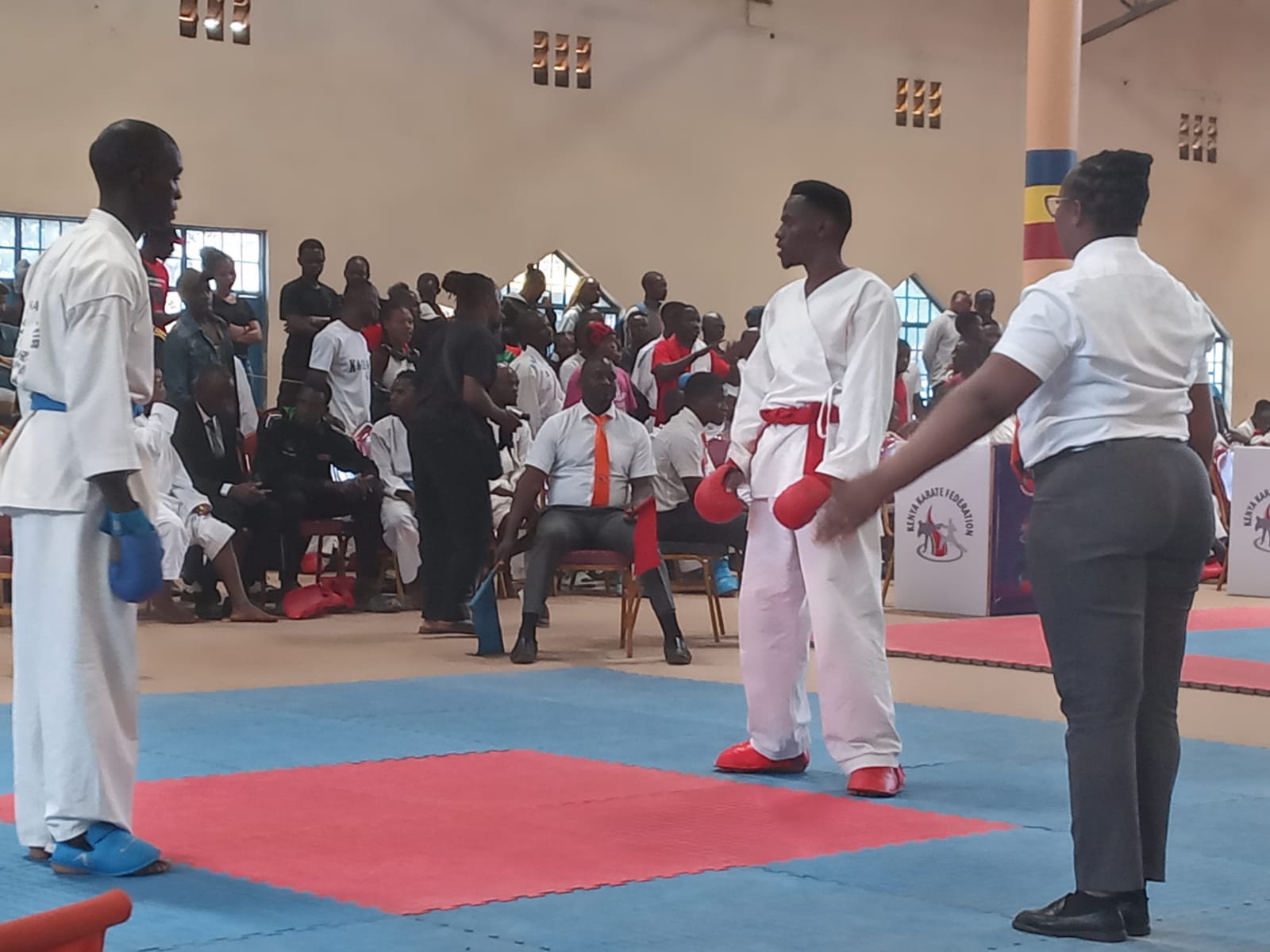
Karate athletes from different clubs during the finals of the event in Thika. Photo/Lawrence Ongaro
By Lawrence Ongaro
The Kenya Karate Open Championship concluded on Sunday, March 29, at the Salvation Army Hall in Thika, with the national team expected to be selected from the event’s top performers.
The President of the Kenya Karate Federation (KKF), Engineer Richard Binga, said the competition was highly successful, noting that 40 karate athletes from different disciplines will be selected to begin training in preparation for international competitions.
He added that the Regional Championship is scheduled to take place from May 28 to 31 in Nairobi, with 14 African countries expected to participate.
Focus on talent and inclusivity
“This year, we have identified highly skilled karate athletes who, with proper training, can go far,” said Binga.
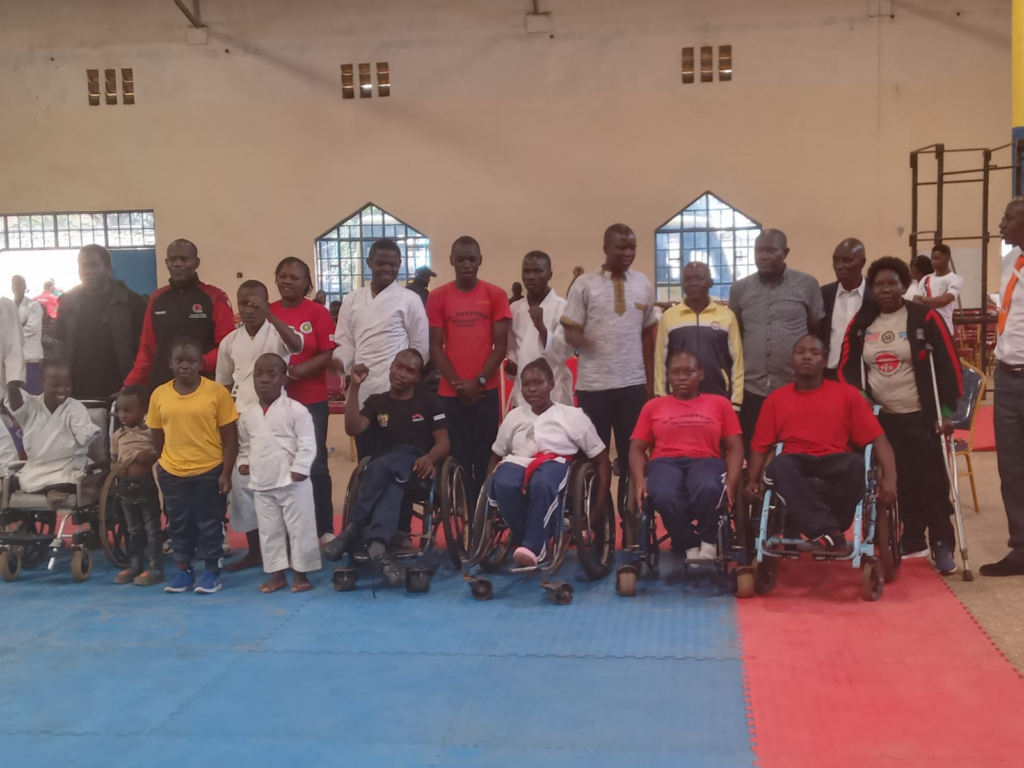
He further noted that para-athlete categories for karate practitioners with physical disabilities have now been incorporated into the sport. He explained that the para-karate division is classified into two categories: K21 and K30.
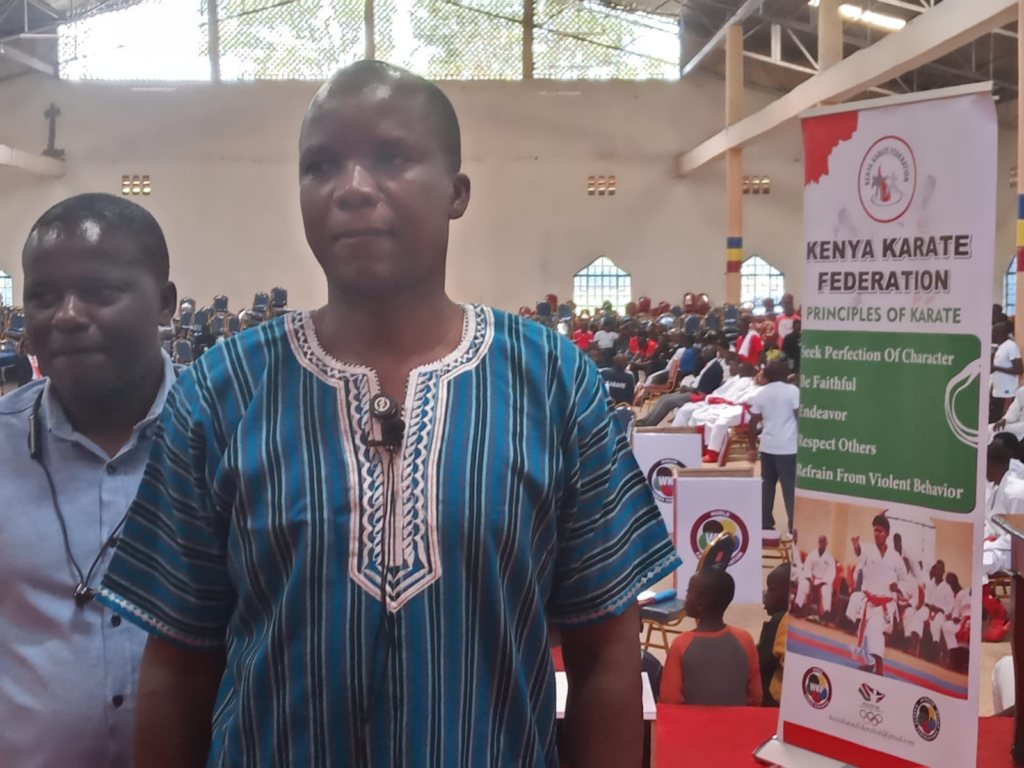
“We want to strengthen karate inclusively, without discrimination, and we also have dedicated trainers committed to developing athletes,” he said.
Read more: New WKF rules training sets stage for Kenya Karate Open in Thika
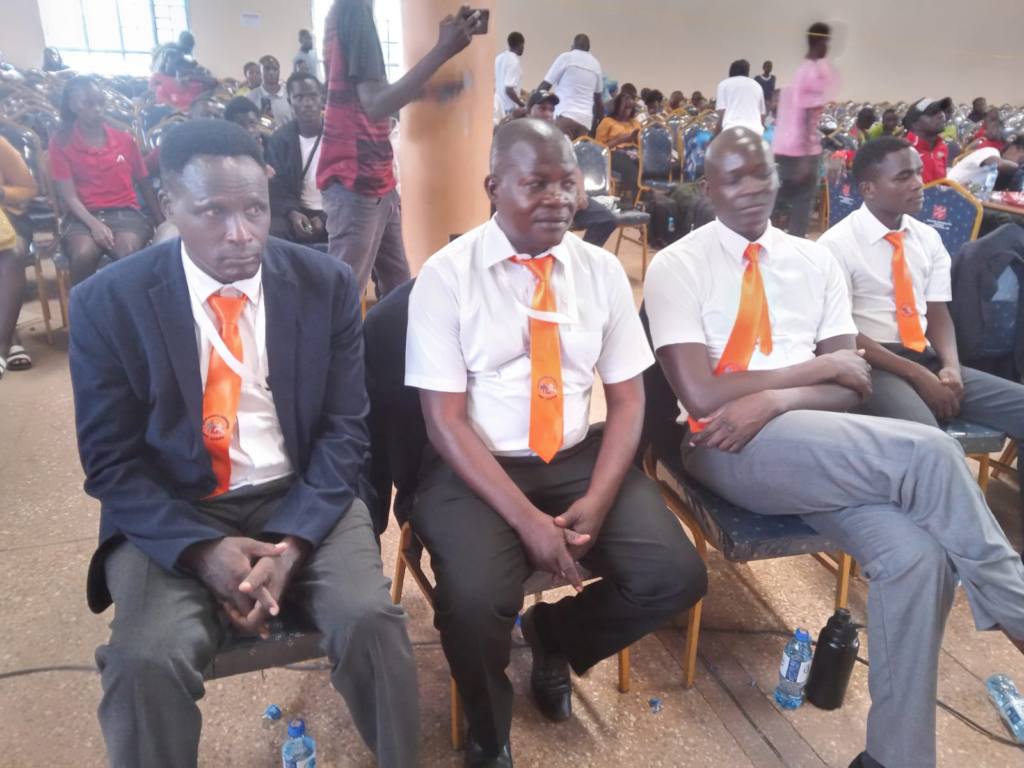
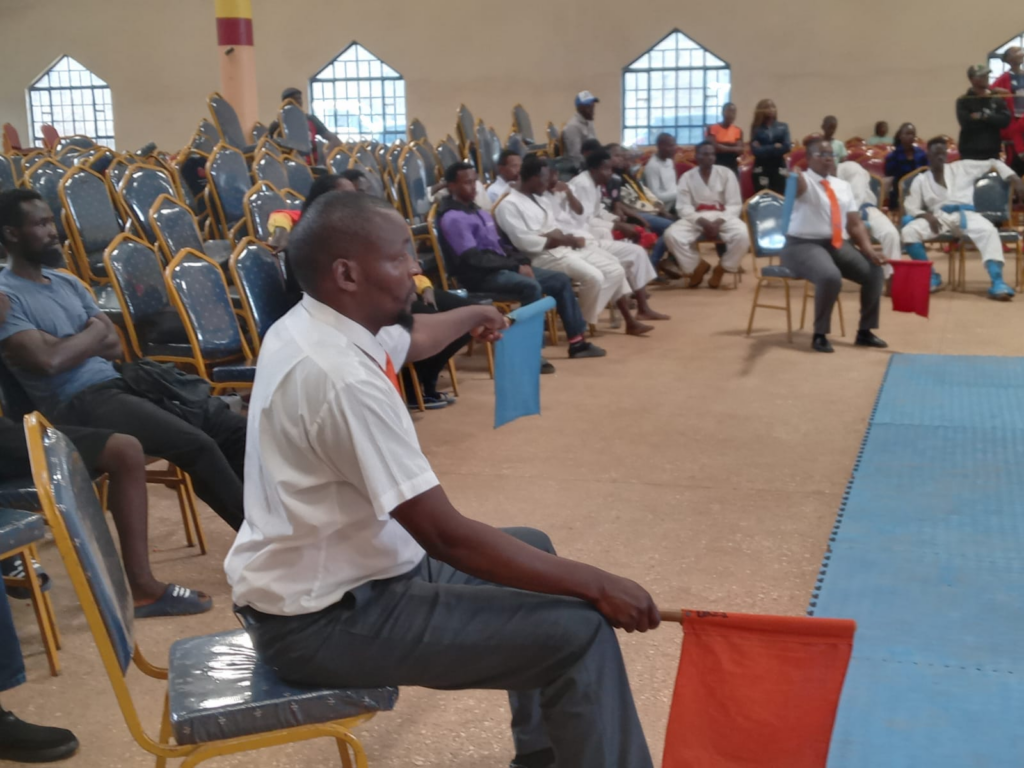
Binga also revealed that on Friday, March 27, referees, judges, and karate coaches underwent comprehensive training to familiarize themselves with the new World Karate Federation (WKF) rules.
He said participants demonstrated a good understanding of the new regulations, which will officially take effect from 2026.
Call for support and future growth
KKF Treasurer Ndegwa Muthanga thanked the government for its continued support, particularly in facilitating the national team’s participation in international competitions.
He noted that some Kenyan karate athletes who have competed abroad in countries such as Nigeria, Ethiopia, and Dubai have gained valuable experience, which the federation finds encouraging.
However, he emphasized the need for county governments to step in and support karate teams at the grassroots level.
Read more: Sandoki FC crowned the Rose Baraka Tournament champions
“We are also engaging with secondary schools to promote and grow the sport of karate in learning institutions,” he said.
He affirmed that as the governing body, KKF remains committed to ensuring the sport continues to grow and thrive in the country.
Julius Muya, a player from the Maji House team in Nairobi who won in the finals, expressed confidence that he will be included in the national team.
“I am confident that if given the opportunity to represent Kenya, I will excel. However, I must train hard to achieve my dream,” said the karateka.


About the Author