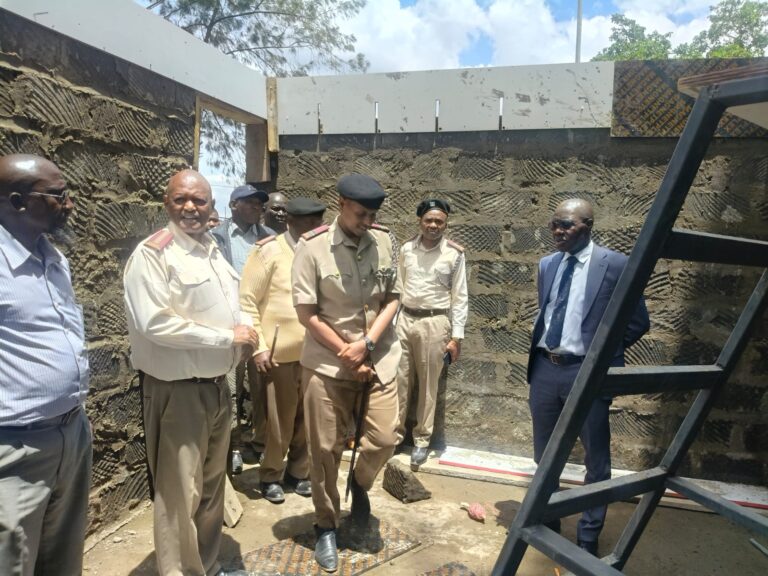
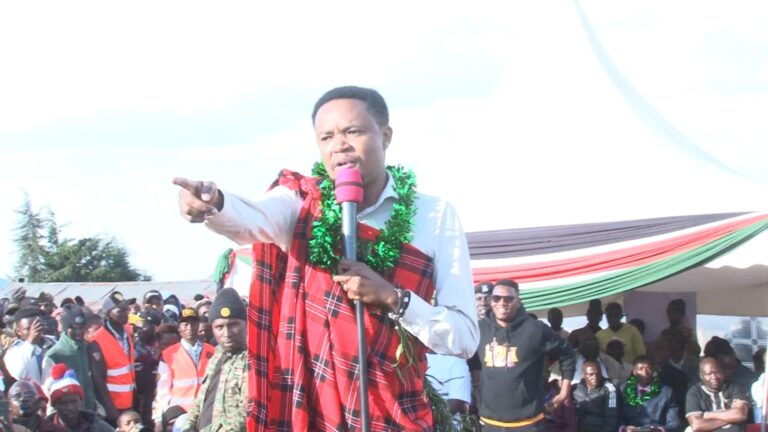
Tanzanian journalist Bin Sulleh speaks from an undisclosed location in Nairobi, where he sought refuge after fleeing alleged persecution. Photo: Courtesy
A Tanzanian journalist has fled to Kenya, claiming he was abducted and tortured by security officers for publishing reports critical of President Samia Suluhu Hassan’s administration.
The journalist, who identified himself only as Bin Sulleh for his safety, spoke from an undisclosed location in Nairobi, where he has sought refuge. He painted a chilling picture of what he described as systematic repression in Tanzania, accusing state security forces of orchestrating abductions, killings, and intimidation against dissenters.
Read More: Kenya raises alarm over trafficking menace in Southeast Asia
“Under former president John Magufuli, people were arrested but dealt with through legal processes,” he said. “Under Samia, people are abducted, tortured, and even killed. The fear is worse than ever.”
Sulleh, who previously worked for a leading online publication, said press freedom in Tanzania has deteriorated sharply, adding that independent journalists are now operating under constant surveillance. “Our credibility is gone. From thousands of viewers, our platforms now barely reach a dozen people,” he lamented.

Clampdown on dissent and digital control
Sulleh accused Tanzanian authorities of tightening control over digital media to curb criticism of the government. He said anyone wishing to operate a blog, podcast, or YouTube channel must now register with state regulators and pay licensing fees, failure of which could lead to charges of spreading false information.
He added that the constitutional framework gives the president sweeping powers, including immunity from prosecution and protection from electoral challenges. “The constitution allows the president to act unchecked. This has created an environment of fear and impunity,” he said.
According to Sulleh, the situation worsened after the disputed general election that handed President Samia a 97 percent victory. Only two political parties—the ruling Chama Cha Mapinduzi (CCM) and the Chama Cha Uzalendo—were permitted to contest, while others were barred.
The crackdown, he claimed, intensified after the arrest of opposition leader Tundu Lissu, one of Samia’s fiercest critics. “His arrest sent a message to the entire country that no one is safe,” Sulleh said.
Read More: 38 days in Ugandan ‘hell’: Activists tell of torture and survival
International reaction and human rights concern
Sulleh’s claims come amid growing international concern over human rights abuses in Tanzania. The United Nations High Commissioner for Human Rights, Volker Türk, has called for independent investigations into post-election violence, alleged killings, and reports that security agencies are concealing evidence.
Human Rights Watch and Amnesty International have also raised alarms about shrinking civic space, arbitrary detentions, and new media restrictions that they say violate international standards.
“Tanzania has taken a dangerous turn toward authoritarianism,” said a senior researcher at Human Rights Watch. “Journalists, opposition figures, and even ordinary citizens are being silenced through fear.”

A plea for protection
Sulleh is now appealing for intervention from international human rights organisations, urging them to pressure the Tanzanian government to end the violence and restore democratic freedoms. He said he fears for his life and that of his family, who remain in hiding across the border.
“I cannot return home. Speaking the truth in Tanzania now means signing your death warrant,” he said.
His case underscores a broader regional challenge, as East African journalists continue to face harassment, intimidation, and threats for exposing corruption and abuse of power.
Kenyan authorities have not commented on whether Sulleh has formally sought asylum, but sources within the refugee community say his application is being processed through the United Nations High Commissioner for Refugees (UNHCR) in Nairobi.


About the Author