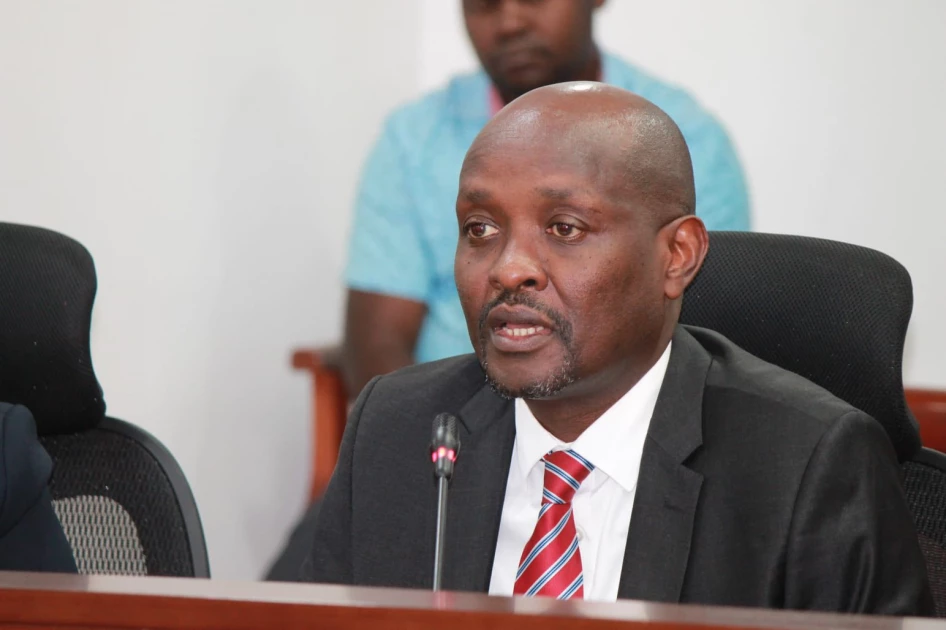
HELB CEO Geoffrey Monari. Photo/Handout
By Newsflash Writer
A Sh46 billion backlog of unpaid student loans is choking the Higher Education Loans Board (HELB), severely limiting its ability to finance new university and college students as loan recovery continues to lag behind enrolment growth.
Nearly three decades after its establishment, the agency is grappling with widespread non-repayment by former beneficiaries, many of whom entered a hostile job market after graduation and never secured stable income.
The scale of the debt has exposed deep structural weaknesses in HELB’s recovery framework. With about 380,000 former students failing to remit their loans, the board’s revolving fund—meant to sustain successive generations of learners—is under strain, forcing HELB to stretch limited resources while demand for funding continues to rise.
Legal limits on enforcement
Chief Executive Officer Geoffrey Monari says HELB’s biggest handicap is legal. The law classifies student loans as a civil obligation, denying the agency enforcement powers such as arrests. “We are dealing with a major challenge. About 380,000 beneficiaries are not repaying, holding Sh46 billion,” he says. “We cannot arrest anyone. Our loans are civil, not criminal matters.”
As a result, HELB relies on softer enforcement tools, including listing defaulters with Credit Reference Bureaus (CRBs), public appeals and the use of private debt collectors. While CRB listings restrict access to bank loans, SACCO credit and other financial services, they have done little to unlock mass repayment.
Read more: No escape, police to track HELB loan defaulters locally and abroad
For many borrowers, the problem is not unwillingness but economic reality. Graduates describe a labour market marked by unemployment, casual work and low pay, making repayment obligations unrealistic soon after completion of studies. The debt burden often grows through penalties and interest, pushing borrowers further into default.
Some former students say their loans have doubled within years of graduation, trapping them in long-term financial distress. Others argue that punitive interest rates and aggressive debt collection worsen an already fragile situation, especially for those in informal employment or self-employment.
Prevented from naming defaulters
HELB maintains that data protection laws prevent it from publicly naming defaulters, limiting its ability to apply public pressure. At the same time, the agency must keep the loan system alive to support future students, even as recovery falls behind.
Critics argue that the repayment model no longer reflects Kenya’s economic realities. While borrowers are often labelled defaulters, many are caught between contractual obligations and joblessness, with repayment timelines beginning long before stable income is secured.
The debate has drawn national attention.
Read more: HELB unveils new tactics to recover Sh32bn from defaulters
President William Ruto has previously cited his own student loan experience, noting that repayment became possible only after he secured a salaried job. His remarks have renewed calls for reforms that link repayment more closely to employment status and income stability.
As HELB struggles to recover billions in unpaid loans, pressure is mounting for policy changes that balance sustainability of the fund with the harsh realities facing today’s graduates. Without reform, the Sh46 billion debt threatens to undermine the very system designed to expand access to higher education.


About the Author