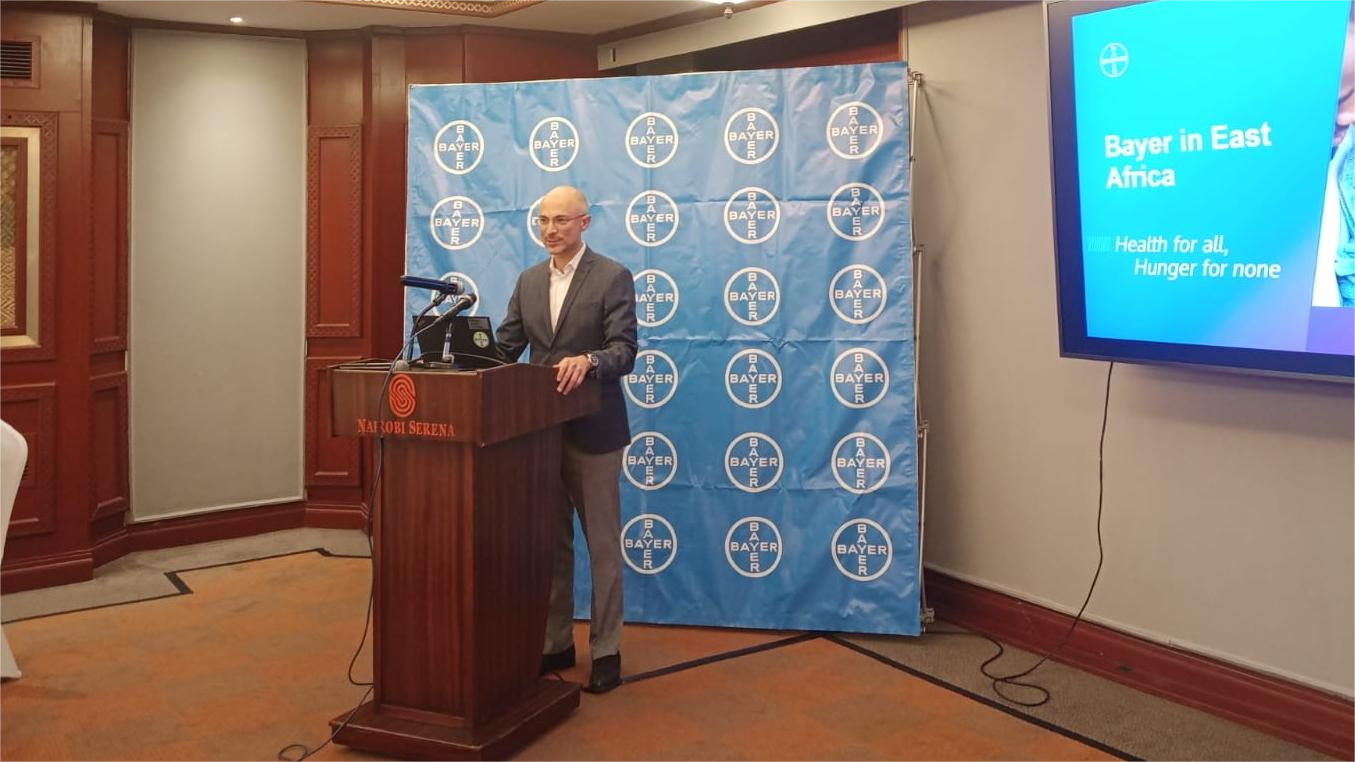
Bayer Sub-Saharan Africa Pharmaceuticals Lead Jorge Levinson. Photo/Wanderi Kamau
By Wanderi Kamau
Pharmaceutical company Bayer has stepped up efforts to address the growing health impacts of climate change in Africa, warning that rising temperatures, extreme weather events and environmental disruptions are exposing millions of people to new and emerging health risks.
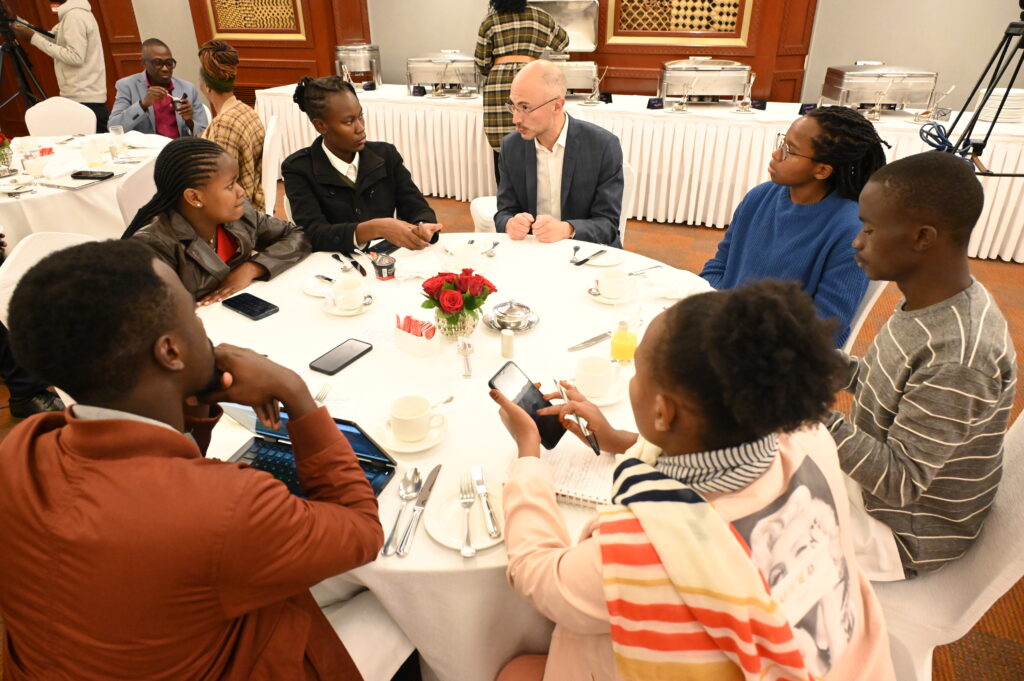
Speaking during a media briefing on climate, health and Kenya’s future healthcare resilience in Nairobi on Wednesday, June 3, in Nairobi, Bayer Medical Governance and Excellence Lead for Sub-Saharan Africa, Dr Jack Mwenda Kileba, said scientific evidence increasingly shows that climate change is influencing disease patterns far beyond traditional concerns such as malaria, diarrhoeal diseases and malnutrition.
Kileba said climate change is affecting vulnerable populations disproportionately, particularly women, pregnant mothers, low-income communities and people whose livelihoods depend on outdoor work.
“Science is becoming clear that as the climate changes, it has an impact on people,” said Kileba. “When certain populations and systems are exposed to these changes, there are consequences.”
According to Bayer, climate change is manifesting through rising temperatures, erratic rainfall, floods, droughts, wildfires and worsening air pollution, all of which have direct and indirect effects on human health.
Kileba noted that geographical location and biological factors determine how severely individuals are affected, with women facing unique climate-related health challenges.
Focus on maternal and chronic diseases
The expert highlighted growing evidence linking climate change to maternal health complications. Kileba said rising temperatures are associated with increased cases of preeclampsia, gestational diabetes and other pregnancy-related conditions.
He warned that heat exposure is also affecting unborn babies, contributing to higher rates of stillbirths, premature births and low birth weight.
“We are seeing rises in stillbirths, preterm births and low birth weight as impacts of climate change are realised,” he said.
According to Kileba, a one-degree Celsius rise in temperature can increase preterm births by about four per cent, while prolonged heatwaves may raise the risk by as much as 26 per cent.
Beyond maternal health, Bayer warned that climate change is accelerating the rise of non-communicable diseases (NCDs), including cardiovascular diseases, diabetes, cancer and kidney disease.
Read more: Government to roll out GMO awareness campaign in all 47 counties
Kileba cited emerging evidence showing that prolonged exposure to extreme heat is contributing to kidney disease among populations previously considered to be at low risk.
The company says these trends are placing additional pressure on health systems already struggling to cope with growing demand for healthcare services.
Strengthening health systems and access to medicines
Bayer is also advocating for stronger and more resilient healthcare systems capable of withstanding climate-related shocks.
Kileba noted that floods, droughts and other disasters can damage health facilities, disrupt transport networks and interrupt the delivery of medicines and essential medical supplies.
“If bridges are washed away, people seeking care may not access health facilities. Healthcare workers may also be unable to reach their workplaces, while medical supplies fail to get where they are needed,” he said.
Bayer Sub-Saharan Africa Pharmaceuticals Lead Jorge Levinson said Kenya has made significant progress in shifting healthcare priorities from infectious diseases to chronic illnesses, positioning itself as one of Africa’s leaders in addressing NCDs.
He said government investments in cardiovascular health, oncology, eye care and family planning demonstrate the country’s evolving healthcare agenda.
Read more: Kiambu County shines at a national agriculture conference
Levinson emphasized that climate-related health challenges cannot be solved by the health sector alone.
“This has to be a multidisciplinary government agenda involving healthcare, infrastructure, finance, education and trade,” he said.
He added that Bayer sees Kenya as a strategic healthcare hub capable of serving more than 300 million people across East Africa. The company currently distributes pharmaceutical products from Kenya to seven countries in Sub-Saharan Africa.
However, Levinson called for faster regulatory and customs processes to improve access to medicines and encourage greater pharmaceutical investment.
The company is advocating for greater awareness on preventive measures such as staying hydrated during heatwaves, reducing prolonged exposure to extreme temperatures and recognizing early warning signs of climate-related illnesses.



About the Author